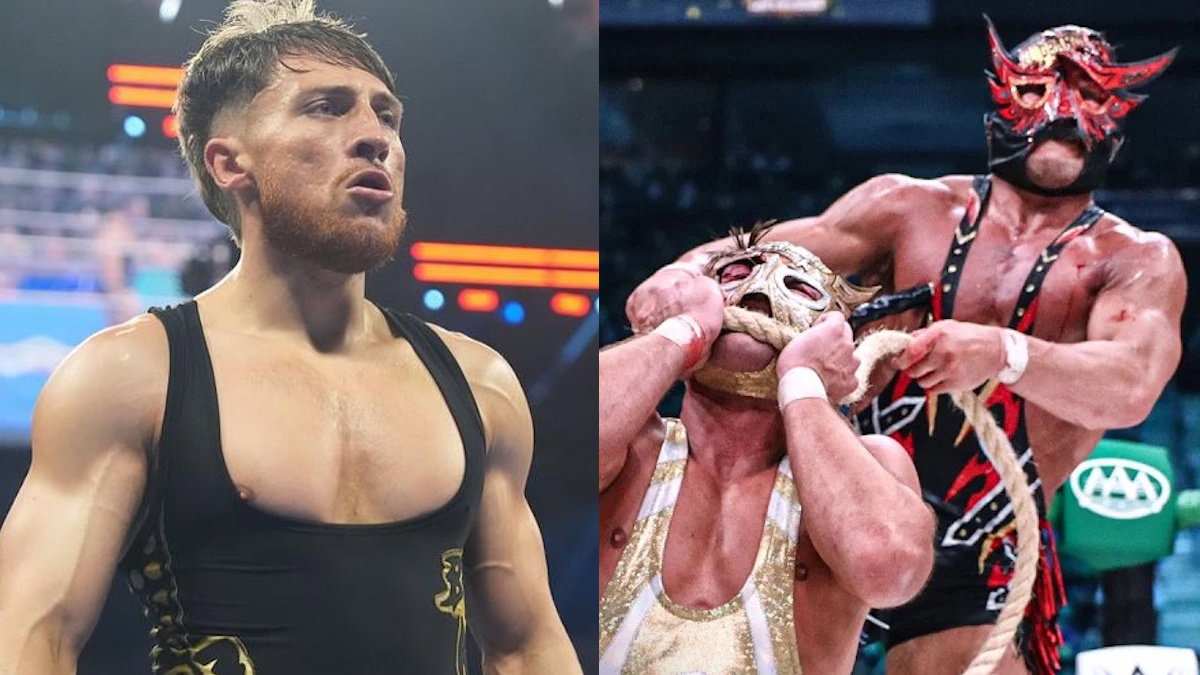
The cost of the El Grande Americano spectacle
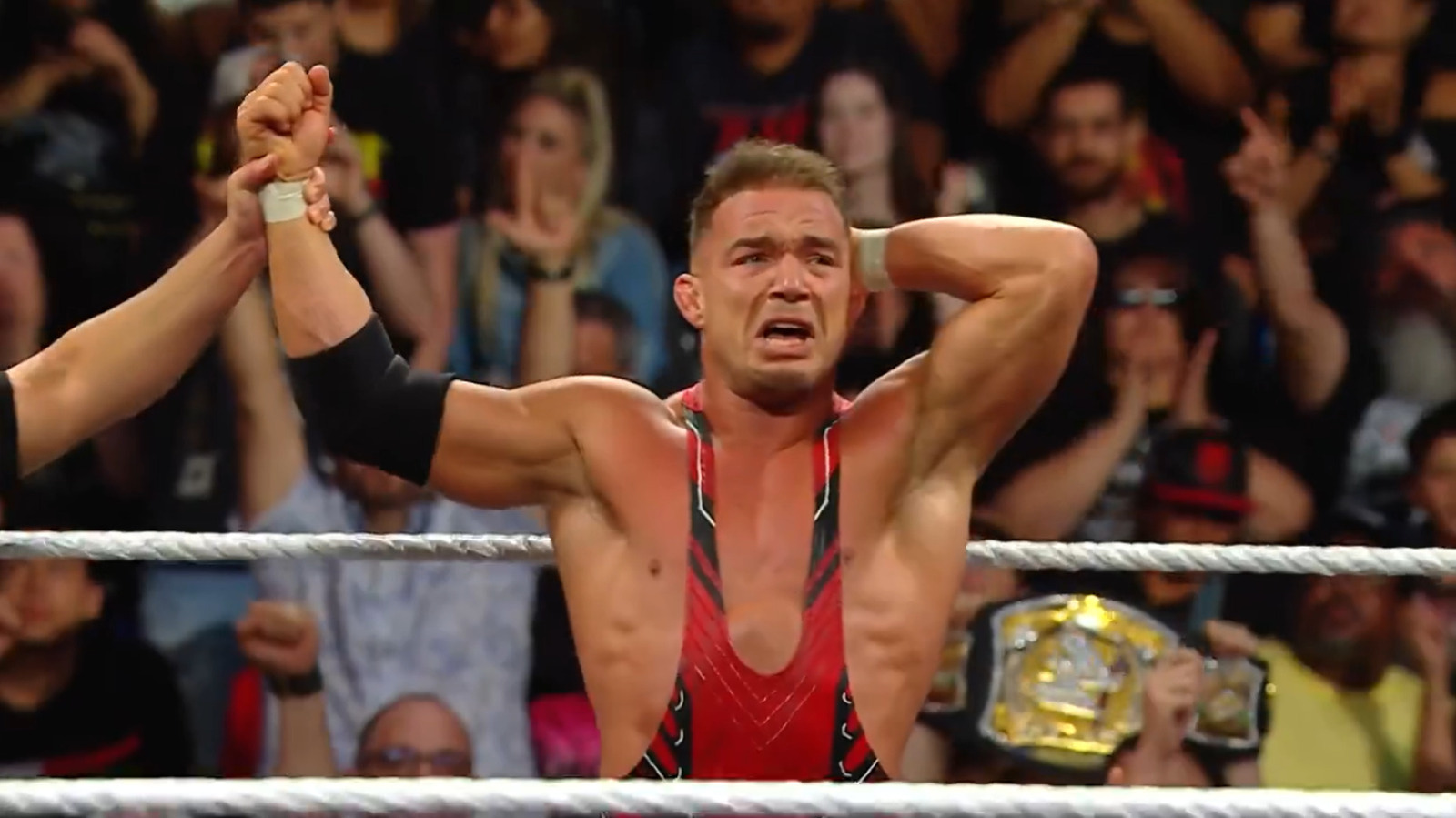
The recent mask vs. mask match at Noche De Los Grandes between Chad Gable and Ludwig Kaiser remains the primary topic of conversation inside the WWE locker room. While the bout received high praise from legends like JBL for the technical precision and storytelling involved, the physical toll is becoming clear. Both athletes emerged from the ring showing significant signs of fatigue and localized trauma after their brutal encounter.
Reports confirm that the match was designed to push the envelope of televised wrestling, balancing high-impact spots with traditional Lucha Libre psychology. While the audience saw a masterclass in ring positioning, the post-match medical evaluations suggest the physical price of that realism. For performers like Gable, who relies on amateur wrestling fundamentals, constant collisions against the canvas represent a compounding stressor on the lower back and shoulders.
Production choices under scrutiny
The match was brought together under the supervision of producer Pete Dunne, who currently performs as Rayo Americano. Dunne, known for his work in the British independent circuit and his time in NXT, clearly pushed both participants toward an aggressive, high-stakes style. The match, which is being prepared for a massive showcase soon as reported by F4WOnline, relies on that intensity to sell the mask vs. mask stakes.
However, asking performers to maintain that level of output carries inherent dangers. Relying on heavy, high-velocity bumps in masked scenarios can obscure vision and throw off peripheral perception. The result was a bloody encounter that impressed the fans but raised questions among those tracking long-term athletic health. When high-velocity strikes like those performed by Ludwig Kaiser meet an aggressive ground-and-pound game, joints reach their breaking point.
The strategic fallout of high-intensity booking
Gable has been vocal about his desire to elevate the technical ceiling of every show he is on. As noted by WrestleTalk, JBL recently claimed he believes Gable is the best wrestler in the world and that the gap is widening. While the praise is earned, the strategic implication is that Gable is now the go-to worker for high-risk televised experiments.
This creates a friction point. If the product moves toward more of these intense, mask-based encounters, the risk of sidelined talent increases substantially. We have seen this cycle before: when technical work reaches a peak, the injury rate inevitably follows in the subsequent quarter. The industry is currently waiting to see if these two will pull back on the frequency of these high-impact bouts or if they plan to double down for future Netflix specials.
Managing the recovery timeline
Following the chaos at Noche De Los Grandes, both competitors are operating on restricted training schedules. This is a common precaution for athletes executing prolonged matches with high numbers of strikes to the head and neck. For a wrestler like Kaiser, who incorporates jarring movements and chest-heavy offense, recovery requires extended rest periods for the rib cage and internal organs.
Expect to see both athletes limited to tag team roles or non-physical segments for at least the next 14 days. This is not purely about one lingering injury, but the accumulation of bruising and inflammation throughout the body. While specific diagnostic details are usually kept internal, the visual evidence of the match suggests the recovery is focused on structural integrity rather than acute, season-ending damage. The return to full-gear competition is likely set for late June, barring further complications during their supervised re-entry into the ring.
The missed opportunity in safety
One critical observation remains: the booking leaned too heavily on visceral, bloody spots to drive interest. While the storytelling was strong, the reliance on high-impact brawling often acts as a band-aid for more complex narrative arcs. If the company continues to favor these violent displays over build-up and consistent character work, they risk burning out the roster before the end of the year. Physical longevity is a limited resource in professional wrestling, and burning it on mid-year experiments is a dangerous game.
- Estimated recovery: 14 to 21 days for full return.
- Immediate status: Restricted training and non-physical promotion.
- Compounding risk: High levels of bruising following repeated hard-mat landings.
The push by Dunne to emphasize the mask-removal stakes adds theater, but it also creates unnecessary difficulty for the performers trying to protect themselves. If you are going to put bodies at this level of risk, the narrative payoff needs to remain consistent throughout the year. For now, the focus is strictly on avoiding soft-tissue tears that could plague both men through the summer.