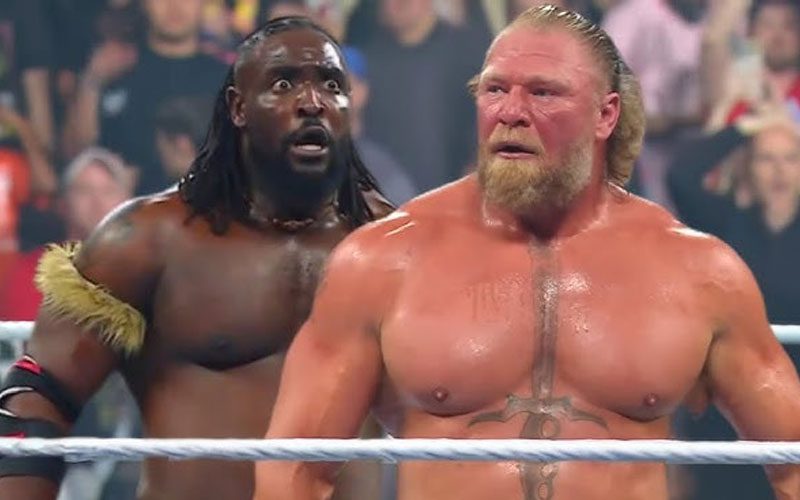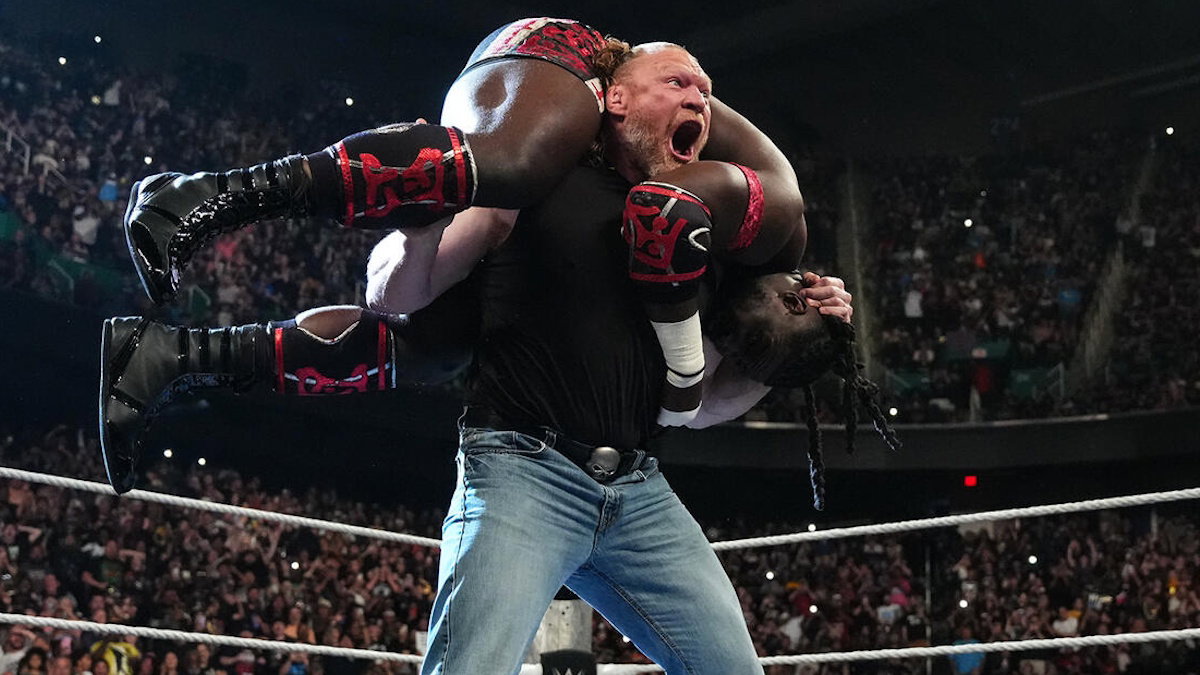
The fallout from the Lesnar encounter
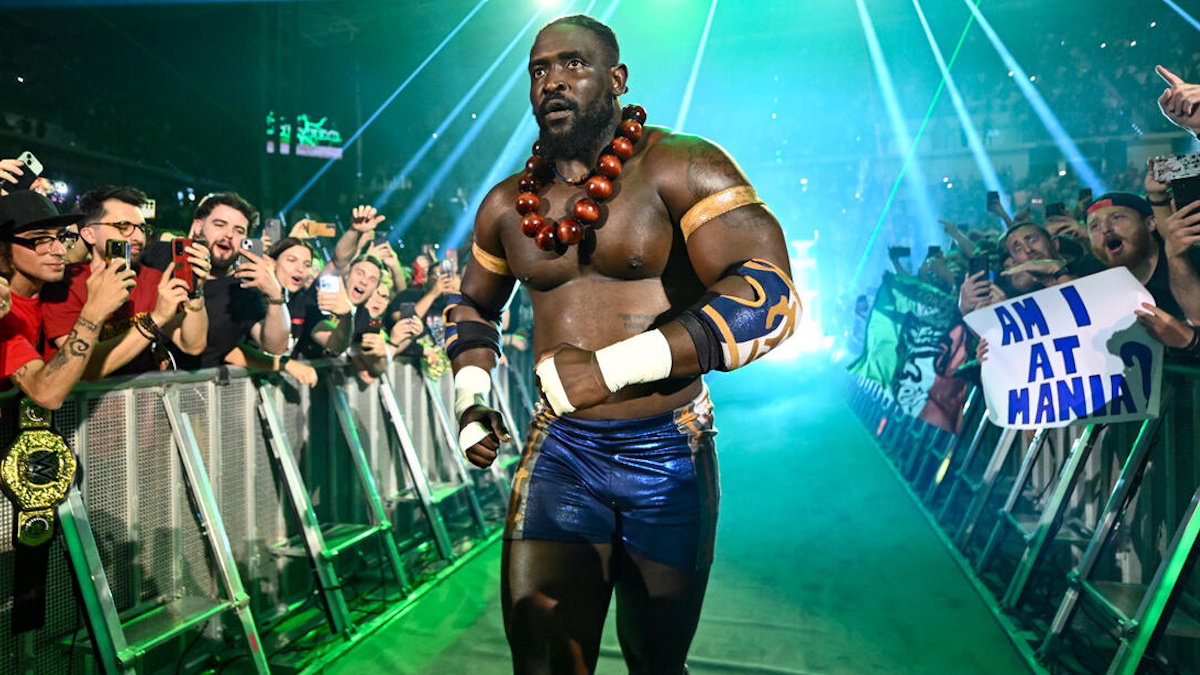
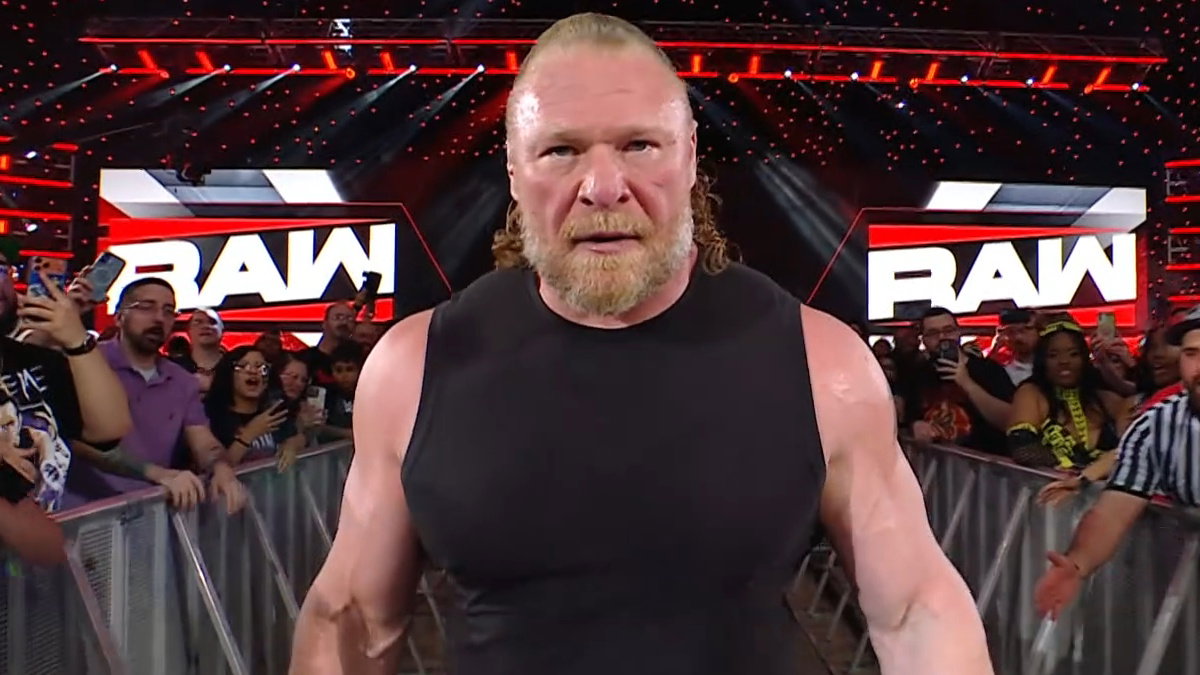
Oba Femi remains off television following his high-profile loss to Brock Lesnar at Clash In Italy. While the optics of a young, dominant champion falling to a veteran icon drew immediate scrutiny, the medical team is currently prioritizing recovery for the raw heavyweight.
Reports indicate that Femi sustained a series of impact-related contusions during the exchange. The nature of the physical confrontation with Lesnar involved multiple high-impact suplexes and a heavy landing on the ring apron. These are not minor bumps. They represent the kind of cumulative damage that limits movement for emerging prospects who rely on pure explosiveness.
Medical recovery and booking implications
The timeline for a full return is expected to reach three weeks. This is a standard prophylactic period for trauma recovery in the modern program. WWE brass wants him back at full capacity, not working through lingering stiffness that could jeopardize his trajectory later this year.
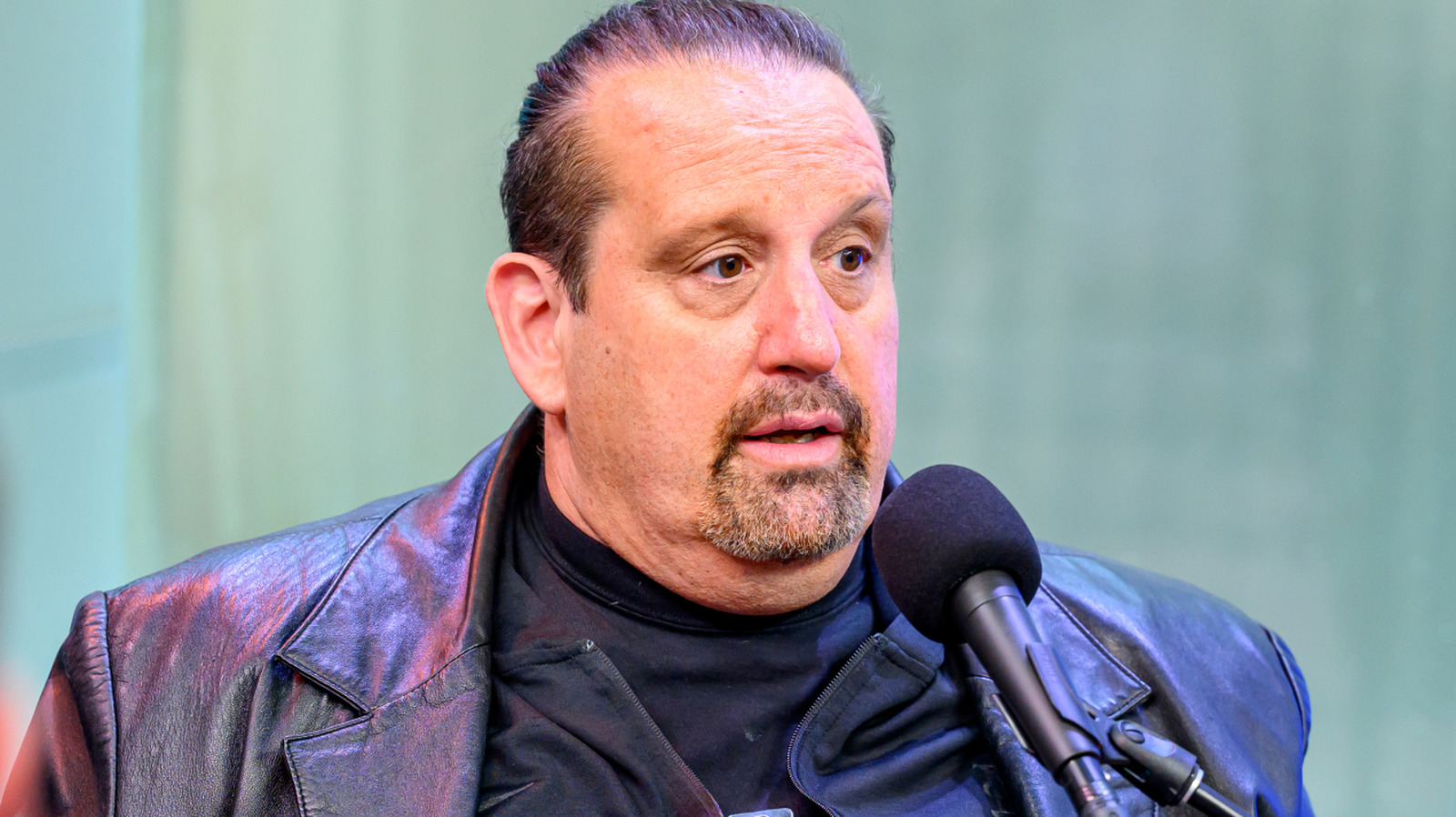
As WrestleTalk reported, industry veterans like Bully Ray have weighed in, suggesting that the loss to Lesnar serves a long-term developmental purpose. Ray argued that Femi’s stature will grow despite the defeat. However, that perspective ignores the immediate booking reality. Stopping a momentum-heavy champion mid-reign often leads to a creative vacuum.
The history of the Lesnar bump
We have seen this script before. Younger talent entering the ring with Lesnar often requires a period of recalibration afterward. The sheer physicality Lesnar brings to a match forces opponents to evolve their selling and protection mechanics. Femi is no exception.
Previous opponents found that the post-Lesnar schedule is grueling. If a performer doesn't have a clear program waiting, they risk cooling off. Femi was arguably the most protected commodity on the mid-card heading into Italy. Losing that aura of invincibility shifts the weight of his entire persona.
Strategic risks for the roster
The decision to put Femi in the ring with Lesnar carries significant risk. If the recovery extends beyond the initial 21-day window, the promotion loses one of its primary attractions during the lead-up to the summer schedule. The industry is currently watching to see if Femi emerges on the other side of this transition with the same intensity.
There is a notable concern regarding the lack of clear narrative direction following the match. Critics point to the booking as a potential tactical error. When a rising star loses a clean contest to an established name, the creative team must have an immediate follow-up plan that keeps the audience invested. Right now, the silence on Femi's return date is creating unnecessary speculation among the fanbase.
Historically, when the promotion leans on legends to put over talent, the finish is everything. A hard-fought, bloody battle elevates the loser. A quick disposal does the opposite. If Femi returns as if nothing happened, the impact of the loss is neutralized. If he returns to address the defeat, he runs the risk of looking like he is still living in the past.
Analyzing the physical cost
The physical toll of these matches is real. Femi’s style depends on explosive movement and power slams. Any delay in his recovery affects his efficacy in the ring. The training staff is being cautious, opting for a recovery period that ensures no lingering issues with his lumbar spine.
This is a tactical pause. The industry relies on talent being available for the major summer tour cycle. Having Femi sidelined prevents the creative team from bridging the gap between his previous championship reign and whatever mid-card feuds are being drafted for the post-summer period.
The current 100 percent focus is on his full rehabilitation. Any premature return would be a mistake. We will track his progress as he nears the end of this precautionary window. Fans should expect a measured rollout for his next feud to ensure the narrative damage of the Lesnar loss is reversed.