The new champ and the old problem
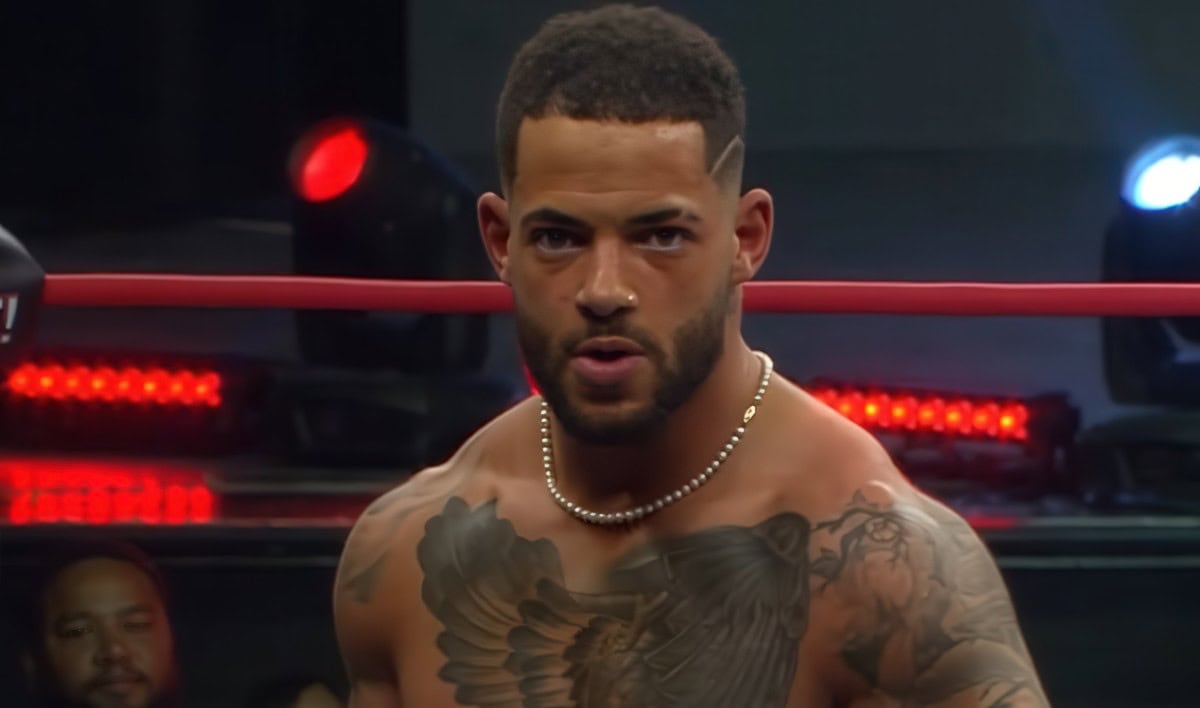
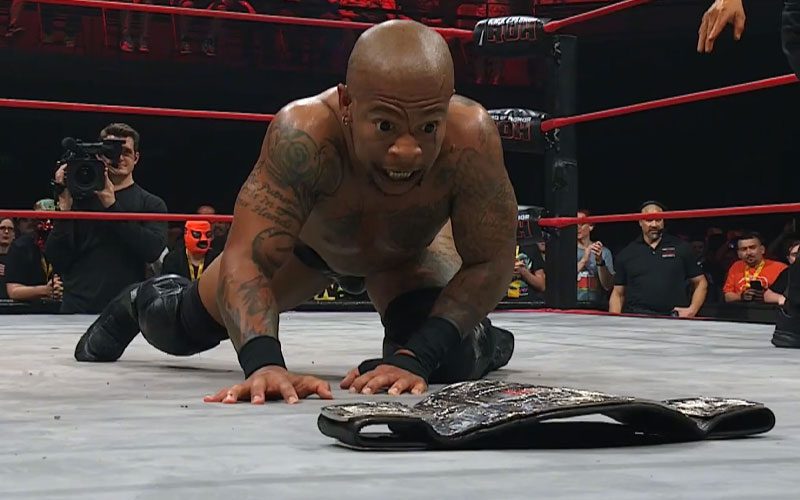
Lio Rush captured the ROH World Television Championship in Cincinnati last night, defeating AR Fox and Action Andretti in a high-octane triple threat match. As reported by F4WOnline, the victory marks a significant shift for a performer who has spent the last year oscillating between standout high-flying performances and periods of frustrating inactivity.
While the crowd in Cincinnati responded to the quick-strike offense that defined the finish, veteran observers are already questioning the sustainability of Rush’s current pace. Professional wrestling history is littered with fast workers who treat their bodies like disposable commodities. Rush, despite his undeniable talent, remains a high-risk asset whose physicality often invites the very injuries he attempts to outrun.
The cost of high-speed wrestling
Lio Rush has historically struggled with inconsistent appearances, often cited as a result of nagging soft-tissue issues and the physical tax of his airborne style. While he was cleared to compete for Global Wars Cincinnati, which was recorded on June 10 and 11 before airing June 18, the professional concern centers on his recovery windows.
The current ROH schedule demands a level of physical output that can easily turn minor strains into multi-month absences. We have seen athletes like Rush hit a ceiling where, after landing a major title, they are forced to take a reduced workrate to protect their legs and lower back. If Rush intends to carry the television belt for a significant stretch, he needs to deviate from his standard high-impact bump card.
Strategic implications for the division
The decision to put the belt on Rush is a clear attempt by creative to inject pace into the mid-card. However, the lack of a clear injury-prevention protocol for performers of his archetype remains a recurring flaw in the booking department. It forces the company into a corner: push the talent until they inevitably break, or cycle them out of the title picture prematurely.
Competition from TNA programming has pushed ROH to book more aggressive, high-stakes matches, yet the physical consequences of that pressure are never addressed on camera. The fans get a thrilling finish, but the medical reality is that Rush will need to prove he can manage the fatigue of a champion-level schedule without further aggravating his history of recurring physical setbacks.
The medical outlook
There is no current report of a specific injury following the Cincinnati taping, but the history of performers with his specific profile necessitates caution. Sudden bursts of activity followed by prolonged disappearance from television are common with this roster segment. If Rush appears on the next few tapings without visible tape, bracing, or limited mobility, we can assume he has successfully managed the transition.
Failure to do so will likely result in a mid-summer title vacancy. The company needs to learn from previous instances where top-tier athletes were forced to surrender gold due to mismanagement of early-stage fatigue. A title reign built on unsustainable intensity is structurally unsound. The fans are certainly invested, but the booking department needs to prioritize longevity over the immediate pop of a title change.