The end of an era in TNA management
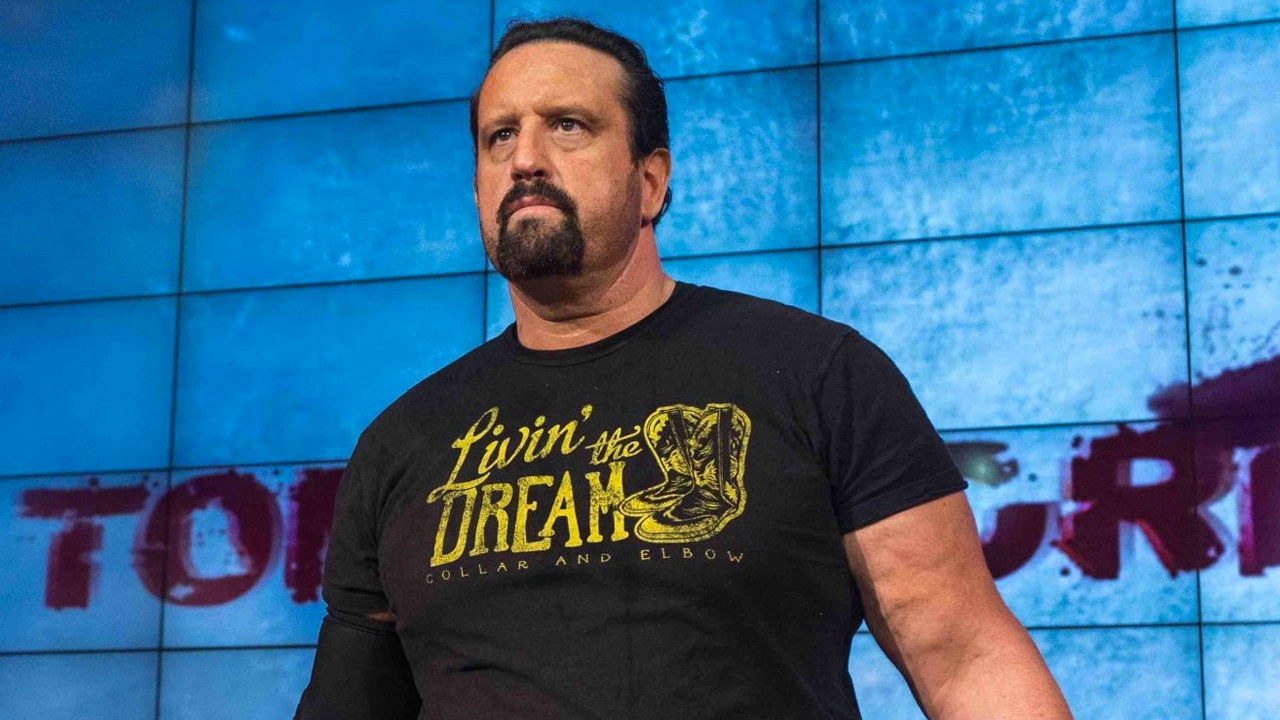
Tommy Dreamer has officially concluded his tenure with TNA Wrestling. The news broke following a period of internal restructuring that saw various veterans shifted into new roles, though Dreamer's departure marks a notable shift in the locker room hierarchy.
While his exit was not injury-related, the physical toll of his recent work schedule played a part in the surrounding conversation. JBL has publicly defended the veteran, noting that the expectations placed upon performers of his experience level often overlook the accumulated wear and tear of a decades-long career. As reported by WrestlingNews.co, the departure comes at a time when the promotion is attempting to lean into a faster, younger style.
Physical realities of the veteran schedule
Dreamer has spent the last year balancing active competition with heavy creative input. This dual-role pressure is common in modern wrestling, yet it frequently results in burnout that mirrors the recovery cycles of injured athletes. The inability to fully rehab minor nicks while managing booking meetings represents a major flaw in the current industry model.
We are seeing a trend where seasoned performers are forced to choose between the ring and the office. By splitting focus, talent often fails to give 100 percent to either. It is a risky gamble that often leaves the roster without stable, grounded leadership during taping cycles. When a veteran of Dreamer's profile walks away, the locker room loses a buffer between front-office directives and the reality of the performance space.
The strategic impact on TNA’s locker room
TNA faces a significant hurdle as they adjust to the change. Dreamer served as a mentor for several developmental talents, and his absence will be felt at the Performance Center level. Losing a voice that carried authority from the ECW era creates a vacancy in guidance that is difficult to fill overnight.
The promotion must now decide how to allocate the time management duties previously under his purview. If they move too quickly to overhaul the creative meetings, the pacing of tapings could suffer. There is no official word on a replacement, suggesting the company might rotate the responsibilities among other veterans currently on the roster.
Historical context and recovery parallels
This is not the first time a major promotion has seen its creative structure shift due to the heavy workload of its veterans. Similar exoduses occurred in other organizations during market corrections throughout the 2010s, often followed by a decline in locker room morale. When the burden of scheduling and creative becomes unsustainable for those tasked with leading it, the product quality on television inevitably fluctuates.
The recovery for a promotion losing a key cultural figure mimics the rehab of an athlete returning from a torn ligament. It requires a period of immobilization followed by slow, deliberate strengthening of the original foundation. If TNA attempts to rush this transition, they risk a disjointed product at upcoming tapings. Success will depend on the management team's ability to identify new leaders who command similar respect without burning out under the exact same stressors that saw Dreamer depart.
Critical look at current staffing
The reliance on a single individual to carry the load of both creative and mentoring is a problematic booking strategy. It prevents younger talent from learning the nuances of the business because the focus is perpetually on the star-power of the veteran. By tethering creative success to figures with heavy physical schedules, the promotion is setting itself up for predictable cycles of instability.
The decision to allow this dynamic to persist until a breaking point suggests a lack of foresight within the front office. Every time a veteran reaches this wall, the discourse shifts to their loyalty rather than the failures of the structure they were working within. Moving forward, the focus must shift to professionalizing these roles as distinct positions. Until that happens, we should expect more departures under similar circumstances as the schedule continues to demand the impossible from its aging workforce.