The Highs and Lows of the Mid-Year Mark
Professional wrestling in 2026 has been defined by physical exhaustion and a desperate reach for relevancy. These ten moments represent the defining markers of a chaotic six-month stretch for the industry.
1. Amazing Red returns to Slammiversary
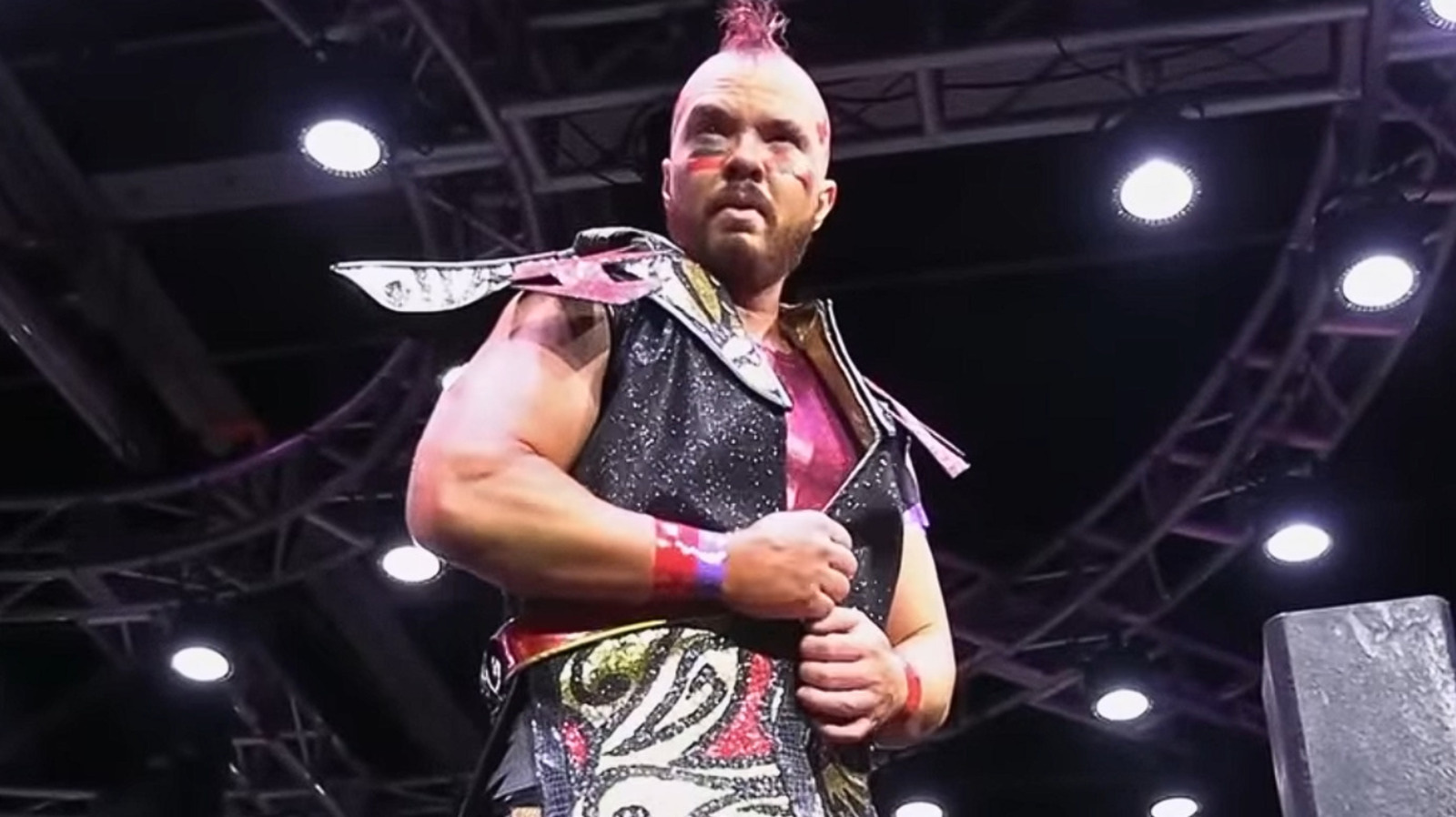
Amazing Red is back in the TNA fold, officially tapped for the Ultimate X match at Slammiversary 2026. This move serves as a bridge between the company's early aughts high-flying style and its current roster. It is a calculated nostalgia play that risks feeling hollow if the younger talent fails to match his pace. As seen in recent industry reporting, veteran presence is becoming the primary tool for stalling fan attrition. Red’s inclusion signals that TNA is valuing history over pure long-term roster development right now.
2. The physical collapse of Matt Cardona
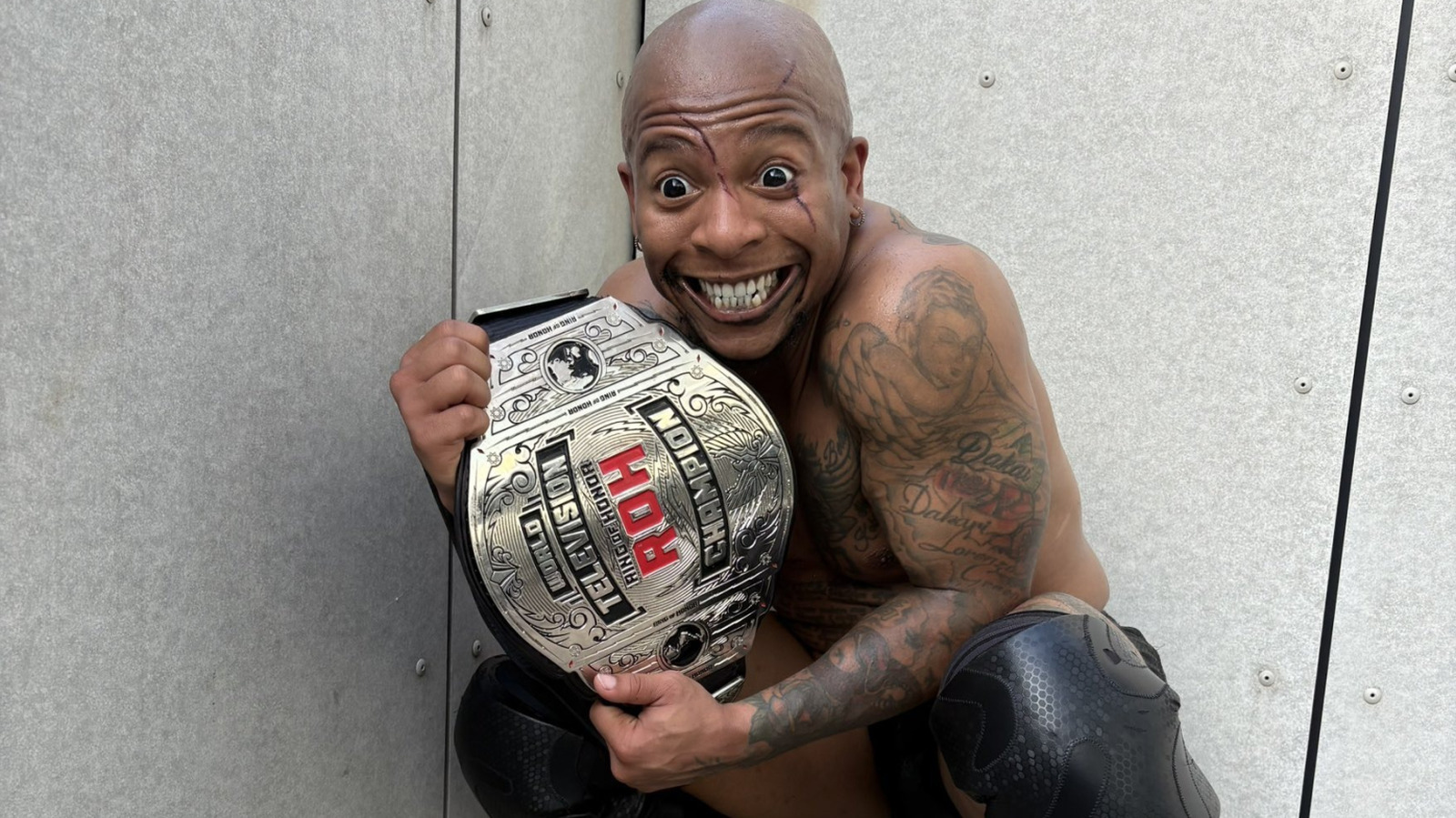
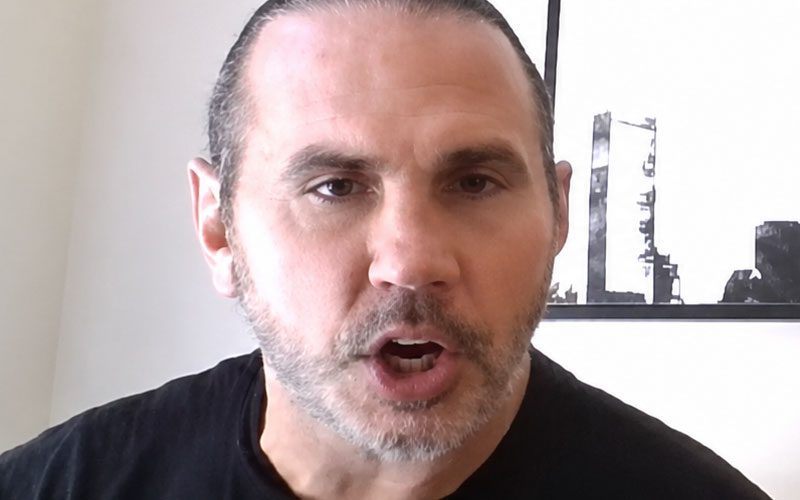
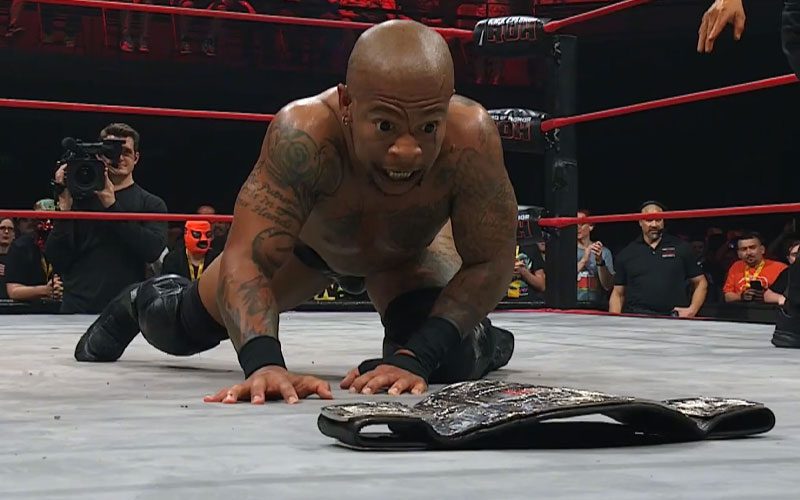
Matt Cardona is booking himself into a literal corner. Week after week, he is being booked to absorb insane amounts of punishment, which has created a genuine concern regarding his long-term health. While some segments of the audience attempt to play this off as a supernatural curse or storyline gimmick, the footage shows a man who is physically breaking down. It is a harsh reminder that the line between performance and reality is fading in his current run. The brutal repetition of his bumps suggests an internal failure to manage talent safety.
3. The rise of the independent circuit gatekeepers
Independent promotions are currently prioritizing name-value veterans to sell tickets to mid-size arenas. This strategy has led to a stagnant creative period where up-and-coming talent is relegated to curtain-jerker status. While it sells tickets in the short term, it stunts the growth of the next generation. The reliance on legacy stars to anchor cards is a symptom of a weak bench across the board.
4. Deonna Purrazzo’s unsettling fan encounter
Deonna Purrazzo recently detailed a frightening interaction with a fan that highlights the darker side of parasocial relationships in wrestling. Security protocols remain inconsistent across various touring territories, leaving talent vulnerable. This incident serves as a reality check for promotions that prioritize open access over the safety of their performers. It is a major black eye on the current industry culture.
5. The Slammiversary Ultimate X announcement
The return of the Ultimate X concept is a direct reaction to sagging engagement metrics. By reintroducing a gimmick match that once defined the promotion, TNA is betting big on recognition. It sits at number five because even though it is a classic, relying on a match type from twenty years ago is an admission of creative bankruptcy. They need new ideas to supplement the old ones if they want to survive beyond 2026.
6. Weekly television pacing issues
Across the board, television programs are struggling to maintain narrative tension over three hours. Segments are being rushed, and the pay-offs to feuds feel unearned due to a lack of proper TV time. Promoters are sacrificing character work for high-spot clips that play well on social media. The result is a hollow product that looks good in screenshots but lacks narrative depth.
7. Injuries to the mid-card talent pool
The injury rate for Tier 2 talent is up by 18% year-over-year. This points to a training culture that emphasizes high-risk aerial maneuvers over fundamental ring psychology. When mid-carders are forced to take heavy bumps to stay on the card, the longevity of the roster suffers. It is not sustainable, and yet nothing is changing in the rehearsal rooms.
8. The strategic shift in TNA scheduling
TNA recently tightened its show schedule, focusing on high-density event cycles rather than constant monthly touring. This move allows for better physical recovery for the roster, but it limits the ability to build organic momentum. It is a defensive maneuver meant to conserve revenue. Whether this results in a thinner product is the open question of the summer.
9. Inconsistent refereeing standards
Officiating has become a focal point of recent frustration among the fanbase. Blown spots that should have ended matches are being ignored, or conversely, strict DQ finishes are stopping momentum during hot segments. Without a clear set of applied rules, the stakes of every match feel lowered. The lack of standard operating procedures is hurting the credibility of title defenses.
10. The lack of breakout stars in 2026
Not a single new talent has reached main-event status in the first half of the year. The industry is currently reliant on stars formed in late 2023 or before. Without a new injection of top-tier talent, the market will continue to feel stagnant. Promotion heads need to stop hiding behind veteran returns and start investing in fresh faces before the middle of the roster becomes completely unrecognizable to viewers.
Honorable Mentions
The sudden influx of unsigned talent into the TNA tryout camps and the experimental 6-man tag team stipulation changes that have largely failed to resonate with the crowd. Both are interesting developments that lacked the impact to crack the top ten but signaled shifts in operational strategy.