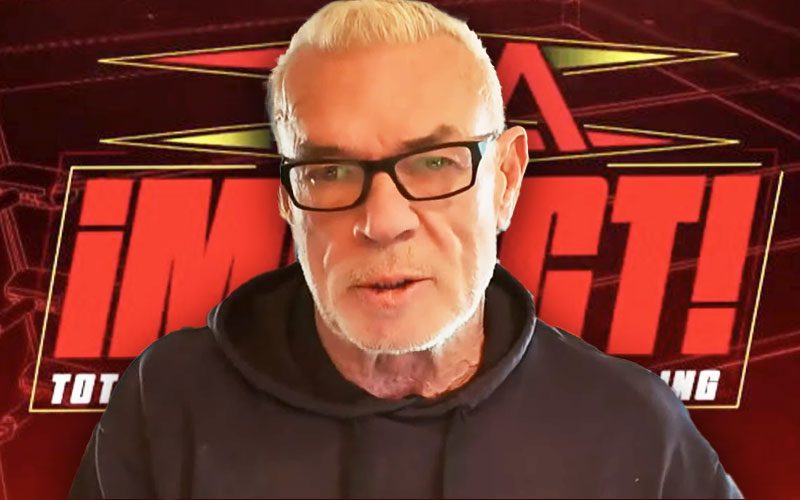
The shifting narrative of TNA's market standing
For years, the discourse surrounding Total Nonstop Action has been defined by a strange, recurring optimism. Proponents often pointed to the company as the natural successor to the number two slot in professional wrestling. However, the latest comments from Eric Bischoff represent a significant recalibration of that expectation.
Bischoff, a man who has operated at the highest levels of wrestling executive management, recently moved away from his previous stance that the promotion could overtake All Elite Wrestling. It is a necessary admission of reality. When you track the audience retention metrics and the sheer scale of the AEW Tubi pivot, the gap between the two organizations is not merely a matter of branding, but one of raw distribution velocity.
The data behind the plateau
Analyzing the weekly performance of mid-card programs reveals a sobering reality for TNA. While the in-ring product frequently maintains a higher work-rate floor than competitors, the top-line reach remains static. We saw this play out in the ROH Television Championship transition, where specific velocity-based matches failed to move the needle on total viewership.
Growth in this industry is tied to accessibility. While TNA produces competent content, their current footprint provides little room for the kind of rapid expansion Bischoff once predicted. The strategy of relying on historical credibility rather than aggressive user acquisition has led to a stagnation phase that is now plainly visible to anyone watching the quarterly reports.
Missing the metrics that matter
The core issue remains the promotion’s struggle to convert casual viewers into dedicated subscribers. If we look at the promotional cycle of the last six months, the focus has been on nostalgia bookings rather than building high-ceiling talent. Relying on legacy names at the top of the card creates a diminishing return on investment.
Bischoff’s pivot highlights a lack of strategic alignment between creative direction and the market's current appetite for long-form narrative. When you look at the 18-34 demographic, the shift toward shorter, digestible clip-based content on platforms like Tubi shows where the modern fan exists. TNA continues to prioritize the three-hour televised block, a format that is becoming increasingly difficult to monetize compared to the lean, ad-supported streaming models gaining traction.
Predictions for the next quarter
Expect TNA to shift its booking philosophy toward extreme experimentation. They have exhausted the traditional routes of competition, and Bischoff’s cooling attitude signals that management knows the game. Unless they can pivot to a digital-first distribution model, their market share will likely hover around the 4 percent mark for the remainder of the year.
My prediction is that we will see a drastic shortening of television contracts by the end of 2026. The current model is simply not yielding the necessary engagement data to command premium network placement. Bischoff is savvy enough to see where the wind is blowing, even if the hardcore fanbase remains blinded by the past. The promotion is approaching a crossroads where rebranding may be the only option to maintain relevance in a consolidated market.
What to watch for in upcoming cards
- An increased reliance on independent talent crossovers to generate social media buzz.
- A noticeable reduction in long-form, twenty-minute opening segments.
- Aggressive attempts to monetize legacy footage through secondary streaming services.