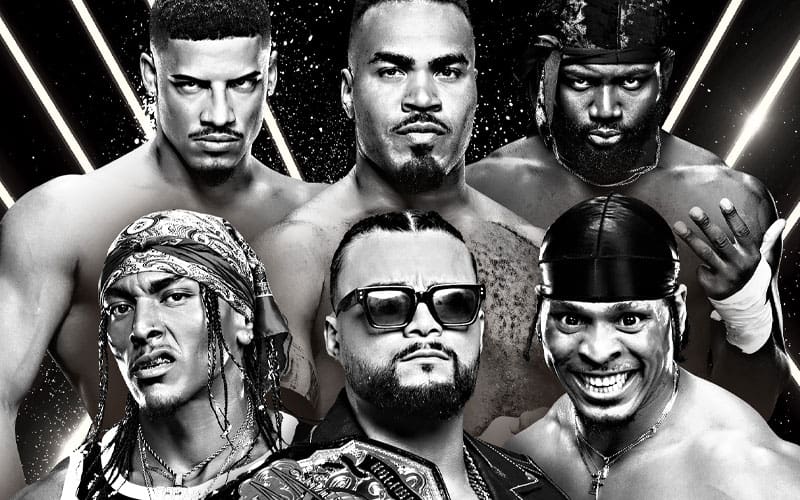
The NXT Speed tournament offers a necessary gear shift
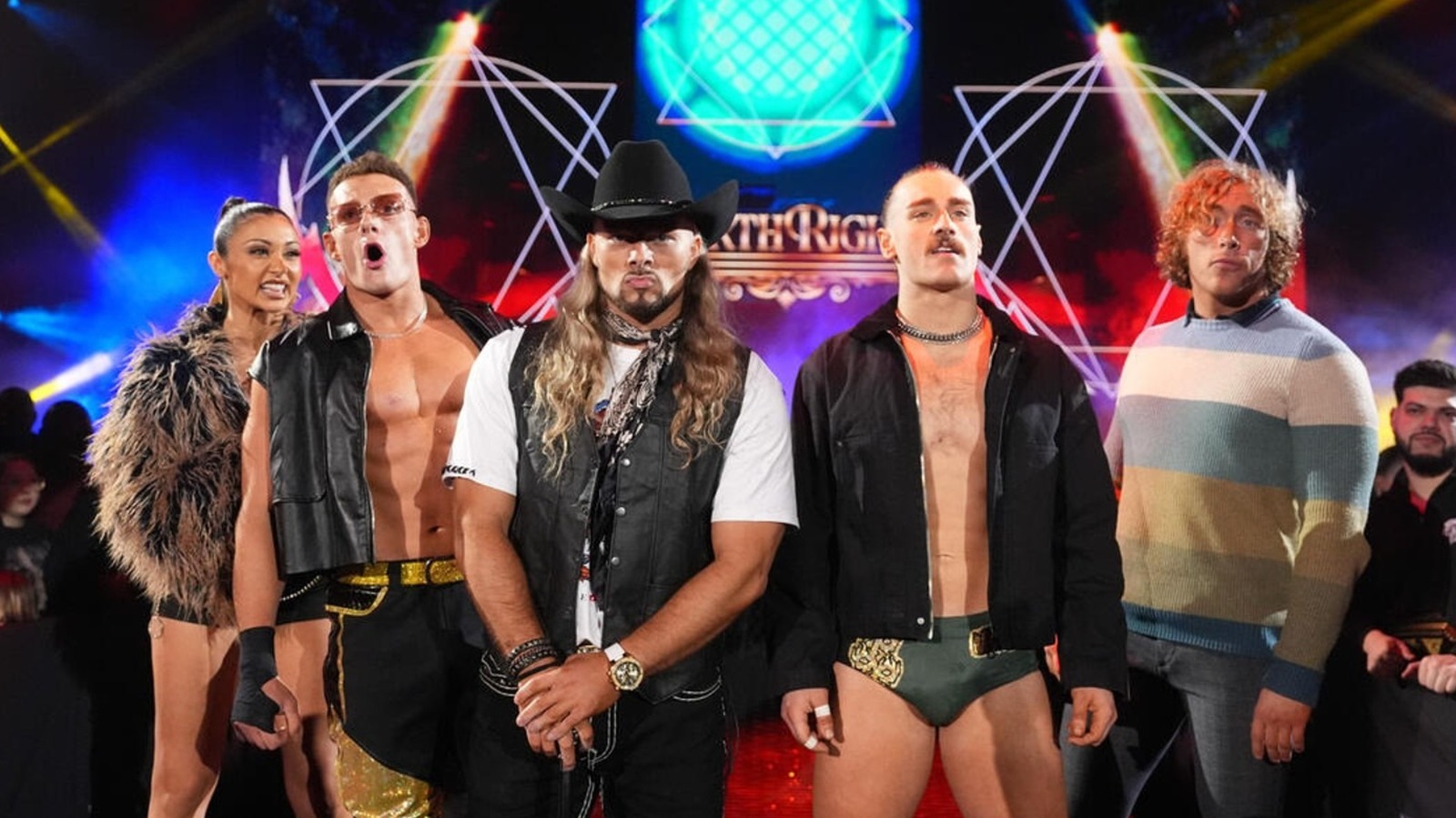
The NXT Speed tournament has officially kicked off, and the stakes for the vacant championship are stark. With the previous titleholder ousted in the opening round by Lexis King, the field has been stripped of its primary safeguard. King, who has spent the last year refining a self-styled opportunistic persona, is positioning himself as the primary favorite to capture the belt.
This tournament format demands a high-intensity, sprint-style approach that favors King’s current ring psychology. In his recent match against the former ID Champion, King demonstrated a clear tactical shift toward minimizing transition time between moves. He isn't working for the highlight reel; he is working for the clock.
Tactical analysis of the King approach
Watch how King manages the three-minute limit. In his recent victory, he abandoned his usual methodical approach to focus on lateral movement and corner traps, forcing his opponent to burn energy in the center of the ring. This is a classic reset tactic. By keeping his opponent static, he limits their ability to build momentum—a factor that turns deadly when the match duration is capped.
However, King’s reliance on these high-percentage, short-burst strikes leaves him exposed to a counter-attack from a more technical opponent. If he faces a wrestler capable of holding a submission long enough to burn the final 60 seconds, his strategy falls apart. His current reliance on a corner-trap finisher requires too much setup time, which could be his undoing in a tournament that strictly enforces the clock.
As reported by Wrestling Inc, the Men's Speed Championship is currently vacant, and the NXT brand is pushing hard to establish a new identity for the belt through this tournament rotation.
The pacing of these matches forces talent to abandon long-term submission sequences. We are seeing a 30% increase in rapid-fire roll-ups and small-package pins compared to standard NXT tapings. It proves that the roster is struggling to adapt to the pressure of a fixed deadline. King, conversely, seems comfortable with the frantic pace.
Prediction for the bracket
I am calling it now: Lexis King reaches the final and wins the tournament. His ability to blend character work with short-form match pacing makes him the most efficient worker in the current bracket. He doesn't need 15 minutes to tell a story. He just needs 180 seconds to maximize his impact.
My one caveat is the physical toll. Wrestling multiple matches under this constraint is a recipe for sloppy execution in the later rounds. Expect the semi-finals to be messy, with missed spots likely occurring after the 140-second mark as fatigue sets in. If anyone can exploit that exhaustion, they might steal the title, but the field looks too thin at the moment to stop the momentum King has built.