Measuring the impact of unscripted tension
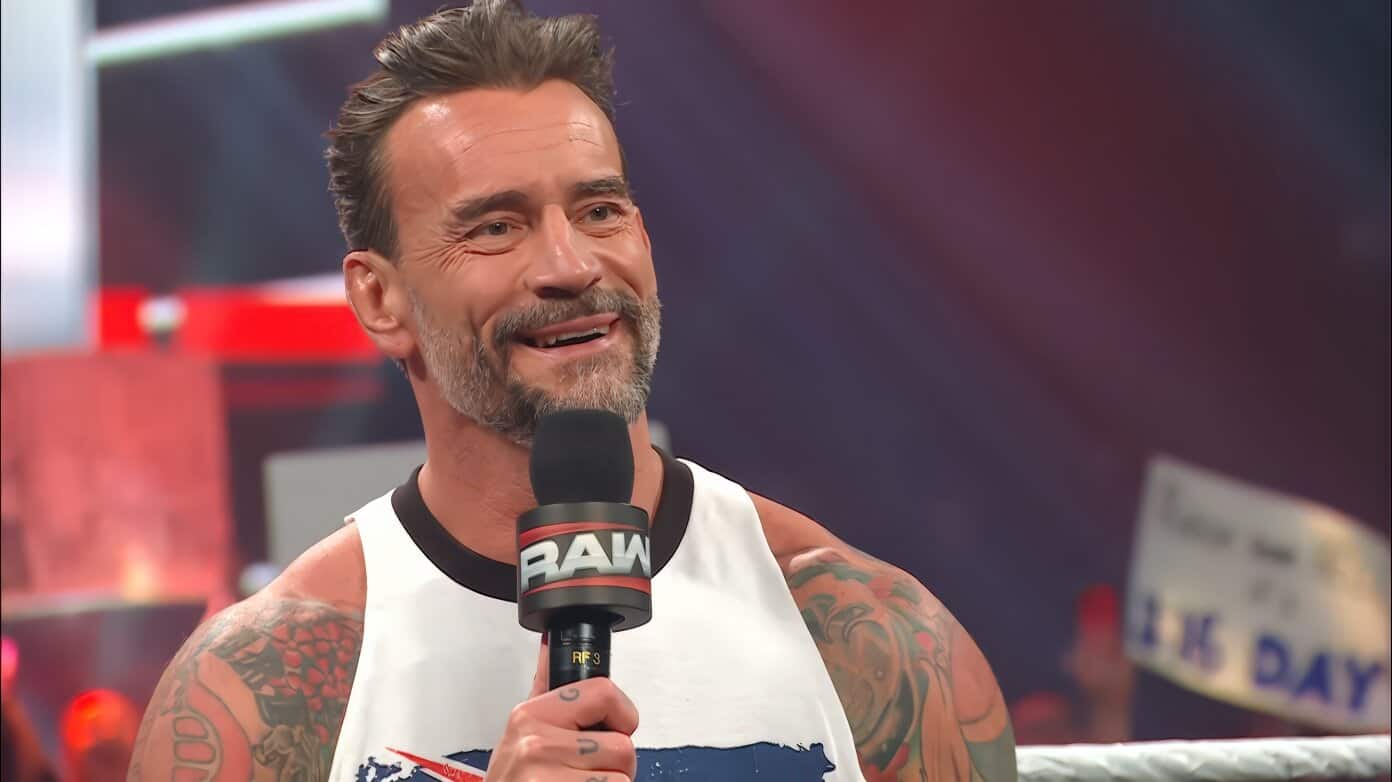
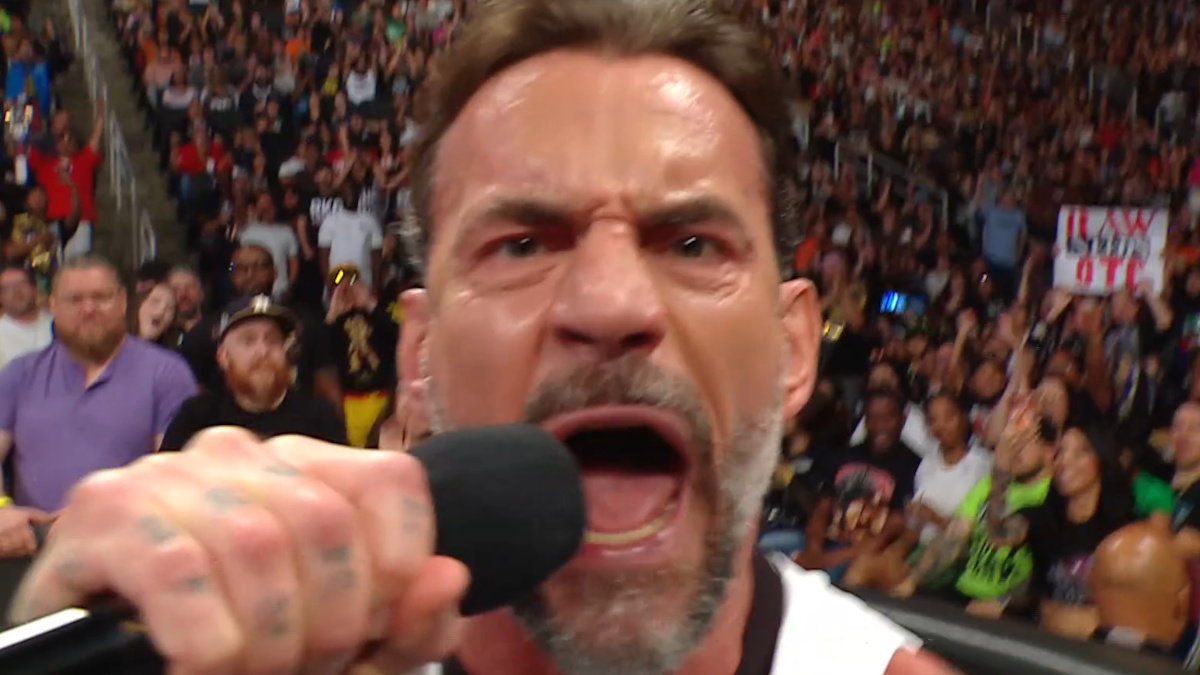
When CM Punk stepped into the ring on the latest episode of Raw, the deviation from standard WWE creative protocol became immediate. Industry reports indicate the promo was largely unplanned, shifting from a polished corporate delivery to a raw airing of internal grievances. In an environment where every segment usually adheres to a strict minute-to-minute rundown, this level of spontaneity acts as a barometer for current locker room morale.
WWE television operates on tight timings, often allowing only 3-5 minutes for opening segments. By breaking this typical structure, Punk signaled a shift in how talent can express dissatisfaction with the creative direction. This follows a pattern where recent reports suggest that legitimate frustrations regarding booking and scheduling are mounting behind the scenes.
The cost of high-stakes improvisation
Professional wrestling relies on the binary of planned choreography versus organic combustion. When a segment goes rogue, the risk-to-reward ratio for production staff is high. An unplanned promo mid-show often forces a scramble to cut segments from the final hour to compensate for the overrun.
For instance, if a segment intended for 4 minutes stretches to 12 minutes, the secondary matches lose critical time. Historically, this forces a condensed finish, leading to shorter matches that fail to develop into meaningful contests. The data is clear: condensed match times often correlate with lower crowd engagement and decreased post-match reaction metrics.
Quantifying the frustration factor
The sentiment expressed by Punk appears to resonate with a segment of the roster that feels their creative output is being stifled. When talent feels disconnected from the writing staff, the quality of in-ring work typically suffers. We often see evidence of this in the decline of move-set variety in mid-card matches during periods of high internal friction.
Consider the average length of opening segments over the last six months. We have seen a steady increase in long-form talking segments, often exceeding the 15-minute mark. These segments now occupy nearly 25% of the total Raw airtime, leaving less room for roster development across the rest of the three-hour block.
A reality check for creative policy
This situation presents a significant challenge for WWE management ahead of the upcoming WrestleMania 41. If major stars feel they need to go off-script to convey their status, the company faces a stability issue. The success of a WrestleMania card depends on alignment between the performers and the front office.
Allowing individuals to bypass the writing team might provide immediate, viral moments, but it complicates long-term storytelling. If this trend continues, the industry might see a revert to the 1990s style of unpredictable, fragmented storylines. Whether that leads to increased engagement or just booking chaos involves zero guarantee for sustained growth.
Ultimately, the numbers show a professional wrestling promotion currently stretched thin by its own content requirements. With three hours of live television every week, the temptation to let talent do whatever they want is high. However, the data suggests that without disciplined structure, the quality of the product becomes volatile. The total viewership numbers from this week’s segment will ultimately dictate whether this was a stroke of genius or a headache for the production team to manage by the time the next episode begins.
Read Next
- WrestleMania 41: Stakes Are Higher Than Just Championship Gold
- AJ Lee is right about the holes in the women's division
- Liv Morgan's WrestleMania status is a coin flip after Raw injury
- Why the five-second wrestling clip is destroying the match as an art form
- 🏆 WrestleMania 41 — Full Coverage Hub
- 💊 CM Punk WWE 2026 — Best in the World