The BOTSJ 33 Aftermath
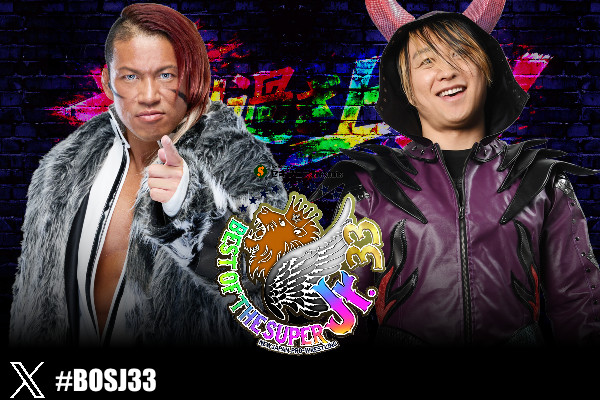
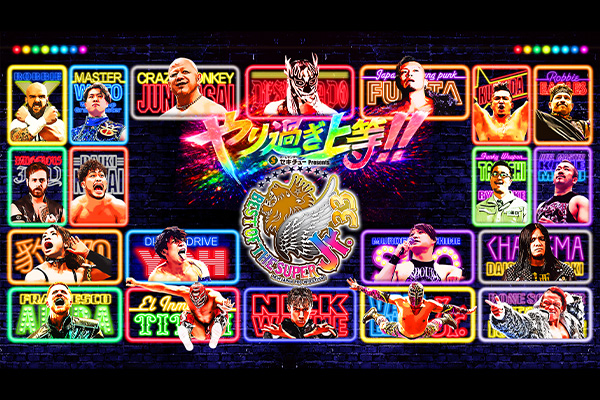
The conclusion of the Best of the Super Juniors 33 tournament on June 7, 2026, left more than just a bracket trophy in its wake. Kosei Fujita, who fell to YOH in the tournament final, is currently being evaluated for a hyper-extended left knee suffered during the closing sequence of the match. The injury occurred during a high-impact exchange that stopped the bout’s momentum in the final minutes.
Fujita walked to the back under his own power but required significant assistance from NJPW ringside medical staff once he cleared the curtain. The tournament, a grueling multi-week gauntlet, has historically taken a toll on the junior heavyweight roster. Fujita’s performance throughout the block stages was the breakout highlight of the season, marking him as a primary contender for future title shots.
Injury Timeline and Recovery
Initial reports from the medical training room indicate a strain of the medial collateral ligament. While the injury appears to be a Grade 1 severity, the immediate swelling suggests he will be sidelined for at least 21 days. He will undergo an MRI on June 9 to rule out structural tears that could compromise his long-term mobility.
This timeline removes him from the upcoming Road to Dominion tour. NJPW officials have not confirmed a return for the Dominion event itself, which is scheduled later this month. If the rehabilitation process follows the standard NJPW protocol for soft-tissue knee trauma, Fujita will likely return to in-ring action by early July at the earliest.
The Impact on NJPW Junior Rankings
Fujita’s absence ripples through the junior heavyweight division. As the runner-up in one of the most prestigious tournaments in the sport, he was slated to challenge for championship gold before the summer cycle concluded. NJPW bookers now face a tactical shift regarding the division's hierarchy as they navigate this mid-tournament injury.
Historically, NJPW has been cautious with wrestlers coming off the Best of the Super Juniors. High-volume tournament schedules often lead to fatigue-related injuries in the weeks that follow. Previous patterns show that forced time off can actually serve as a reset for young talent, though the timing of this specific setback hurts his building momentum.
Strategic Implications for the Division
The junior division currently lacks a clear challenger for the champion if Fujita is not cleared for the Dominion cycle. This creates a vacuum at the top of the card that other roster members will look to fill. Competitors like Robbie Eagles or Clark Connors may see their booking status elevated in the immediate short-term to fill the gap.
Critics point to the heavy schedule of the tournament as the underlying cause for these frequent medical reports. Forcing athletes to compete in high-impact bouts nightly over a three-week window invites the kind of lateral knee load that sidelined Fujita today. For those interested in the tournament results themselves, WrestleTalk provides the full breakdown of the final match mechanics and YOH’s victory.
Fujita’s tactical evolution during this tournament was undeniable. He shifted his style to incorporate more technical mat work, which saved his body in the early rounds. However, the final push against YOH required a shift to high-velocity strikes that ultimately proved unsustainable for his already taxed lower limbs.
The promotion must now decide if they will pause his push or provide an angle to protect his status while he heals. Historically, being the BOTSJ runner-up guarantees a main event trajectory regardless of injury. The goal remains simple: keep him healthy through the summer heat so he is ready for the G1 Climax transition period.
Total matches missed by Kosei Fujita under this timeline will be at least 5 professional appearances across the Road to Dominion circuit. The medical team will monitor his range of motion extensively during these next two weeks. We will update the status of his recovery following the arrival of his MRI results on Monday.