The Hierarchy of High-Stakes Wrestling
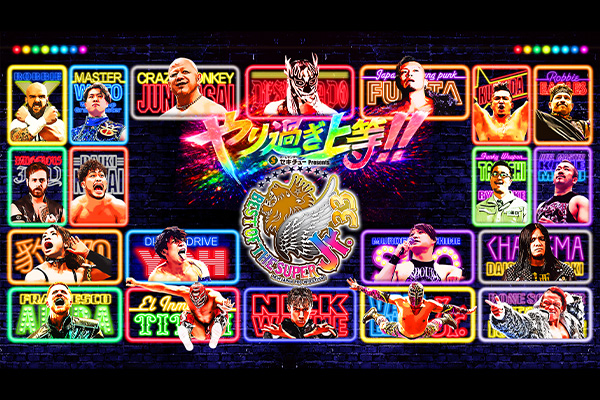
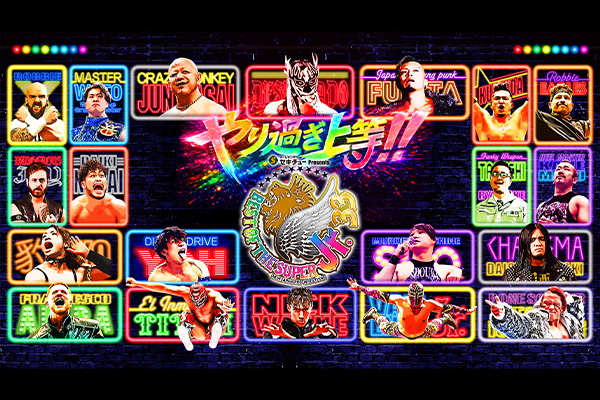
The Best of the Super Junior 33 has redefined the landscape of junior heavyweight competition, shifting the focus from technical exhibitions to desperate, finish-or-flee encounters. This list evaluates the most significant beats from the tournament, prioritizing impact over pure workrate.
Every entry reflects a booking choice that altered the trajectory of a competitor’s career. These are the moments that demand a re-watch.
The Ranking
10. The Valiente Jr. and Tatsuya Matsumoto opener from Day 13 remains a masterclass in pacing. While some critics argue the match lacked a defining narrative hook, the precision of the exchange highlighted the depth of the junior division. It earns its spot because it set the tone for a high-intensity evening.
9. The mid-tournament points separation for the A-Block leaders created an early sense of urgency. When the leaderboard tightened at the halfway mark, the booking changed significantly. We stopped seeing safe exchanges and started seeing desperate limb-work to secure pins.
8. Hiromu Takahashi’s performance on Day 9. His ability to sustain a high-speed offense through three consecutive matches remains a technical marvel. The conditioning displayed by Takahashi proves why he remains the standard-bearer for this division.
7. The shocking Day 7 upset where an underdog forced a draw against a tournament favorite. This result blew the standings wide open and forced the top seeds to adjust their strategy mid-stream. It was a rare case where the booking rewarded the unexpected.
6. The physical toll documented throughout the final week of regional shows. Seeing competitors grapple with visible fatigue during the June 5th card provided a layer of realism often absent in pro wrestling. It makes the tournament feel like a genuine test of athletic durability.
5. The decision to limit interference in the G Messe Gunma main events. By removing the crutch of outside distraction, NJPW forced the wrestlers to rely on their established arsenals. The difference in match quality was stark and immediate.
4. The Tag Team dynamic shifts within the undercard. While some fans prefer pure singles action, the integration of established tag teams into the tournament structure provided necessary pacing relief. It keeps the core solo stars fresh for their block-ending clashes.
3. The specific, calculated psychology of the heel turn displayed in early May. By shifting the motivation from a pursuit of gold to a pure antagonism of the crowd, the storytelling potential shifted. It turned previously quiet arenas into hotbeds of genuine, vitriolic emotion.
2. The June 5th, 2026, results from Takasaki. As BodySlam.net reported, the results from G Messe Gunma determined the final paths for several block favorites. The stakes were at their peak, and the execution of the final pinfall was flawless.
1. The climax of the tournament block stage. The sheer number of viable contenders heading into the final night is the strongest booking choice of the year. It forces every wrestler to perform at 100% capacity to secure their spot in the finals.
Refining the Narrative
Critique remains necessary: the reliance on long-form block segments sometimes leads to diminishing returns in the middle of the tour. Pacing issues on the nights of May 28th and 29th dragged significantly, and the promotion would be wise to tighten these windows in future iterations. Efficiency matters more than spectacle.
The current tournament structure demands excellence from every participant. While the volume of matches provides a 13-day showcase, the fatigue is clearly becoming a factor for the back-end heavyweights. Injuries are the enemy of momentum, and NJPW must tread carefully as this event concludes.
Honorable mentions go to the return of traditional strike-heavy fighting styles in the semi-finals. While these moments didn't make the top ten, they reminded the audience of the promotion's core identity. The balance between flash and force remains the gold standard.
The evolution of the junior division is currently the most compelling story in Japan. As the tournament reaches its final stage, the focus shifts to who can maintain their health while chasing history. We are witnessing a transition in talent that will shape the next 5 years of the industry.