Best of the Super Juniors 33 hit with roster uncertainty
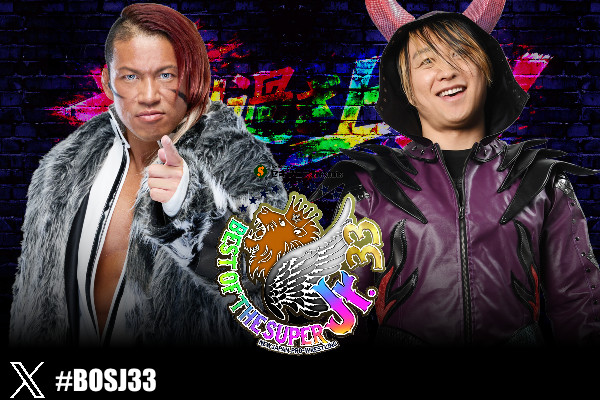
New Japan Pro-Wrestling faces a significant hurdle weeks before the opening bell of the Best of the Super Juniors 33. The tournament brackets, released via official NJPW reports, show a mix of veteran talent and rising stars, but medical clearance issues for select participants threaten to derail initial scheduling.
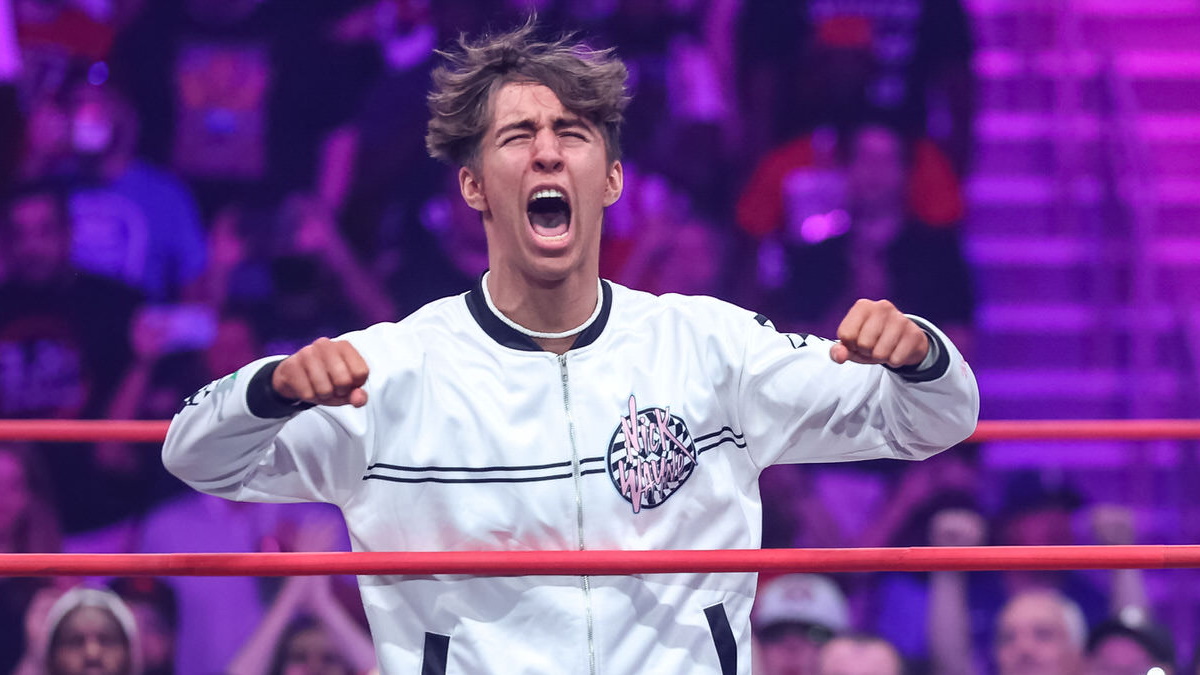
The inclusion of Nick Wayne serves as a massive focal point for the tournament. Following recent announcements, Wayne is set to test his abilities against the best junior heavyweights in the world. However, the travel demands of a multi-week G1-style tournament remain a concern for AEW-contracted performers.
The hidden drain of tournament booking
Tournament formats consistently place undue strain on rosters. NJPW bookers often rely on high-intensity stiff strikes and aerial maneuvers that prioritize crowd reactions over joint longevity. Given that the BOSJ 33 kicks off next month, any lingering soreness from April appearances could snowball into more serious ligament damage.
We have seen this script before. When the schedule forces five matches in a 14-day window, performers rarely operate at 100% capacity. History shows that top-tier talent in these tournaments often finishes the run with significant swelling in the knees or lower back, requiring months of physical therapy afterward.
Strategic implications for AEW and NJPW
The collaboration between AEW and NJPW brings obvious upside regarding star power, but it creates a logistical nightmare for medical oversight. When a talent performs for two companies, the chain of command for injury management becomes blurry. If Nick Wayne or his cohorts hit a physical wall during the block stage, who holds the final authority to pull them from the card?
The decision to lean heavily into tournament-based booking at this stage in the calendar is questionable. With WWE gearing up for WrestleMania 41, NJPW needs every available asset in prime condition to maintain domestic market share. Relying on a roster that is already stretched thin is a gamble that rarely yields a long-term profit.
Focus on the health of the division
The junior heavyweight division thrives on speed, but that creates higher risk for concussions and meniscus tears. If the promotional brass fails to incorporate mandatory rest days or rotational recovery, we are looking at a mid-tournament depletion. A tournament is only as strong as its final night matchups.
If the promotion loses key representatives before the blocks conclude, the prestige of the trophy takes a hit. Management must prioritize player welfare over sustaining the breakneck speed of these events. Otherwise, the tournament risks becoming a collection of truncated matches dominated by roll-ups and count-outs to protect the wounded.
While fans crave the high-flying spectacle, the reality of the schedule requires a more clinical approach. Injuries are the fastest way to turn a potential classic event into a forgotten footnote in the yearly archive. Every match must be monitored with extreme scrutiny as the start date approaches to ensure no performer enters the ring compromised.