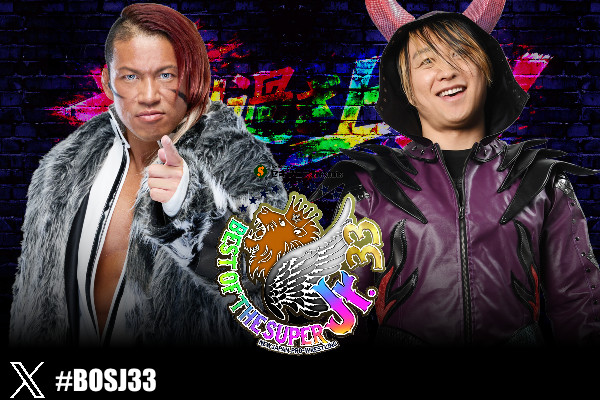
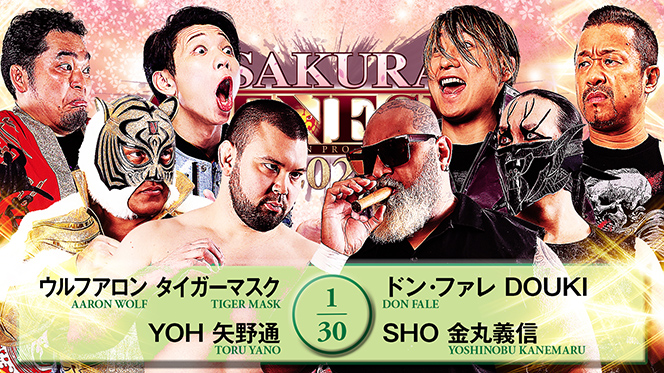
Night Six results in Tokyo shake up the standings
The Best of Super Junior tournament witnessed a significant disruption during the May 16 event at Korakuen Hall. What was slated to be a pivotal block match for the standings ended prematurely, throwing the A Block progression into immediate disarray. The official NJPW results from the Tokyo card confirmed an injury stoppage that forces an abrupt rewrite of the tournament's final week.
The match between Ryusuke Taguchi and Kento Miyahara was halted after officials checked on the competitor following a high-impact exchange. The bout reached a sudden standstill after a botched landing occurred during an aerial sequence. Referee stoppage was invoked after the medical staff determined the performer could not safely continue the contest. This marks a concerning trend for the roster, as the physical toll of a back-to-back tournament schedule often leads to attrition by the midway point.
The strategic impact on tournament progression
Losing a veteran during the middle of the BOSJ creates a logistical nightmare for the booking office. NJPW management faces the immediate challenge of deciding whether to grant forfeit points to opponents or adjust block schedules to maintain parity. Historically, the company uses standard injury protocol where the injured wrestler is pulled from future scheduled bouts, automatically awarding points to their remaining scheduled adversaries. This drastically shifts the path to the finals.
The absence of such a high-caliber name fundamentally changes the texture of the block. Competitors who relied on points from this specific match now face a mathematical shift in their quest to climb the leaderboard. Fans waiting for the high-work rate style expected in Tokyo are now left with a hole in the card. It also places immense pressure on the remaining performers to carry the weight of the tournament through next week's push toward the final stages.
Historical context and recovery concerns
Tournaments in Japan are notorious for their grueling nature, often featuring 10 to 12 matches per participant over two weeks. Similar events in the past, such as the G1 Climax or previous BOSJ iterations, have seen champions fall due to repetitive micro-trauma. When a wrestler suffers an injury this close to the conclusion, the recovery timeline is rarely linear. It usually involves a mandatory rest period followed by intense physical therapy to address soft tissue damage.
The negative reality here is that the wrestling output for the Tokyo leg of the tour suffers immediately. There is no replacement that can match the established narrative arc created by two specific rivals. Booking mistakes often stem from overloading the schedule and ignoring the fatigue threshold of the athletes. While the tournament will certainly continue as planned, the optics of a tournament match ending on a stretcher or via medical intervention underscores the physical reality of the sport.
Broader industry implications
Following the coverage from PWInsider, the sentiment remains focused on player safety over spectacle. Promotions are under increased scrutiny to prevent catastrophic career-ending injuries in the middle of major tournament cycles. If the injury involves a knee or shoulder ligament, we could be looking at a six-month rehabilitation window. This would rule out the participant for any summer participation in major international shows or potential crossovers across the Pacific.
The industry standard for return-to-play protocols has evolved, yet risks remain inherent to the high-flying style featured in the Super Junior tournament. Competitors like those in the A Block are essentially putting their long-term health on the line to boost their standing in the bracket. A win in this match was 2 points of difference, which often acts as the thin margin between a main event spot and a middle-of-the-pack finish. The loss represents a significant setback for the individual's momentum heading into the second half of the year.
The path forward
Management must now decide on the most efficient way to communicate tournament shifts to ticket holders. Keeping the audience engaged while losing a key feature performer is a test of creative endurance. We will likely see a reshuffling of the card heading into the next block dates, possibly promoting undercard talents to fill the void during the main broadcast segments. This is a chance for younger, less established names to step into the focus, assuming they can handle the intensity of the top-tier competition.
As of mid-morning, there were no updates regarding the specific medical diagnosis or the exact expected return date. Doctors are likely evaluating the candidate to determine if surgery is required or if conservative treatment will suffice for returning to active competition. The wrestling world enters the next week of the cycle waiting for a clearer picture on the timeline for recovery and the long-term impact on the tournament standings.