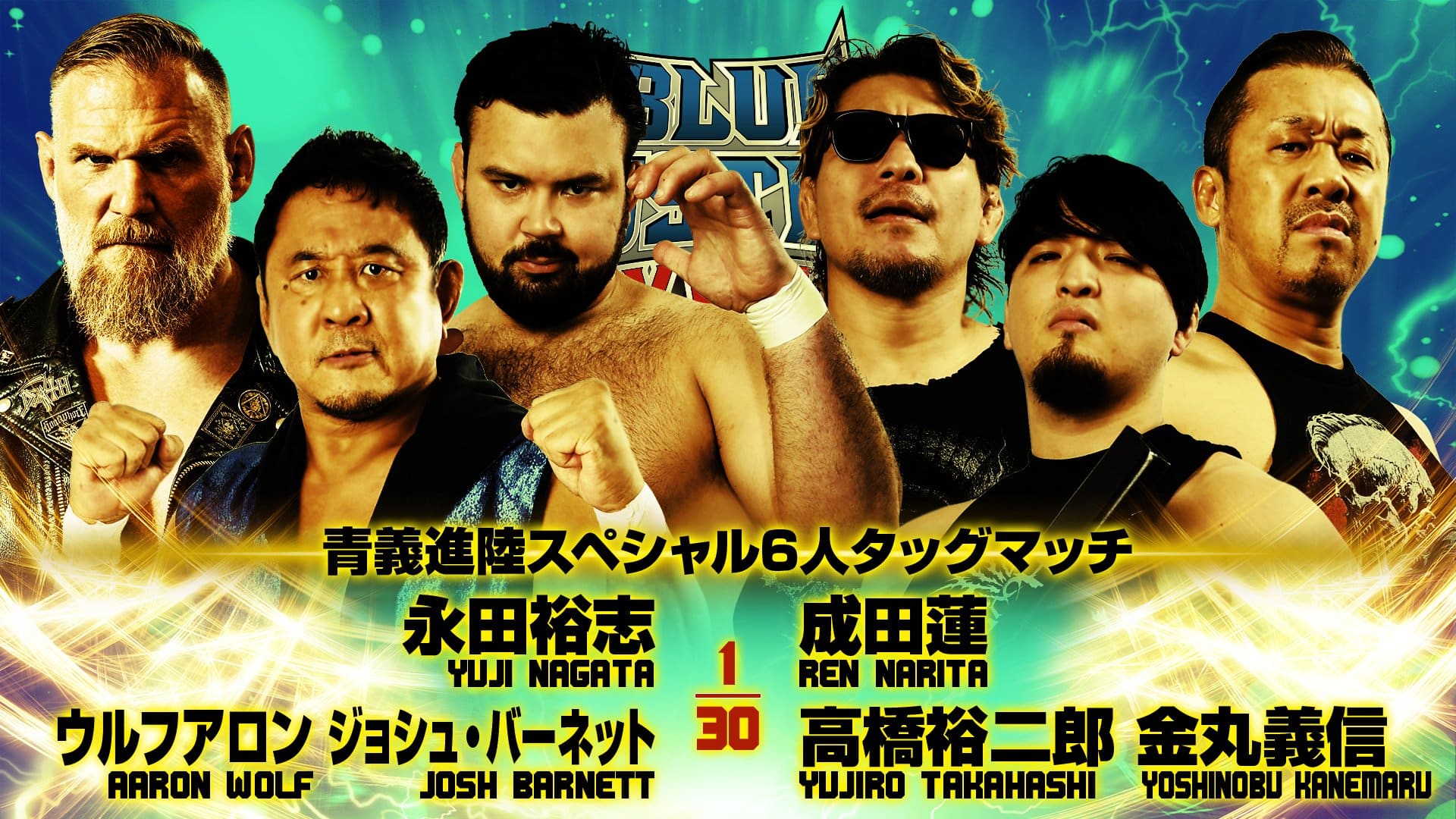
The Chiba setback
New Japan Pro-Wrestling’s Blue Justice XVIII event, held today at the City Gymnasium in Kimitsu, Chiba, has left the promotion grappling with immediate roster availability concerns. The event, headlined by Yuji Nagata, served as an exhibition of technical depth, yet the physical toll on the undercard performers raises alarms for the upcoming mid-summer schedule.
Reports originating from the Performance Center periphery suggest that the intensity levels during the opening segments resulted in caution-based withdrawals following the conclusion of the broadcast. While the full medical report is pending, several performers involved in the opening sequence required immediate assessment by NJPW training staff.
Tactical implications of a depleted mid-card
The reliance on rapid-fire, high-impact sequences in matches involving Tatsuya Matsumoto and the emerging developmental ranks placed undue stress on physical endurance. In a promotion where the calendar is unforgiving, losing depth at the bottom of the card forces reliance on heavy hitters to take extra minutes. This is a recurring issue for NJPW, which has struggled to rotate talent effectively since the season began.
Historical data indicates that NJPW’s reliance on Nagoya and Chiba as recurring venues for exhibition-heavy cards often creates a high ceiling for injury risk. The fatigue factor is real. When talent is pushed to showcase technical precision without proper spacing between dates, mechanical failures are inevitable. Management’s strategy of maximizing live attendance via frequent touring dates across Chiba Prefectures shows its limits here.
The recovery roadmap
Confirmed facts at this stage are limited, but the expected timeline for clearance for the affected roster members rests on a standard seven-day observation period. No concussions have been publicly documented, though lower-body strains remain a primary concern for the technical specialists on the card.
If the medical staff recommends a full rotation shutdown, the booking office faces a reality check. The promotion must consider whether the current intensity level is sustainable for the second half of the year. When you look at how the roster is partitioned, the lack of backup depth is a structural flaw. Booking matches that demand 100 percent of a performer's physical capacity in exhibition environments is questionable.
Assessment of the booking strategy
Booking choices involving talent transitioning from the dojo often err on the side of excessive physicality. While the audience appreciates the stiff style, the long-term cost outweighs the short-term engagement metrics provided by these exhibition events. The push for high-velocity storytelling, as noted in previous NJPW Blue Justice XVIII coverage, is producing diminishing returns regarding athlete health.
Historically, when NJPW talent is forced into early returns, secondary injuries follow. If the medical department clears the group for competition before the 14-day mark, the risk of re-aggravation increases exponentially. Fans tracking these events should note that the current medical caution is a direct reflection of a high-burnout environment. A more deliberate pace is required if the promotion intends to maintain its primary assets throughout the remainder of the 2026 cycle.
We have seen these burnout points before. In 2024, a similar stretch in late June resulted in the withdrawal of three key stars from the G1 tournament cycle. If internal reports prove accurate, today's event confirms a failure to adapt training loads to match the intensity demanded in the ring. The discrepancy between the desire for explosive content and the biological limits of the athletes is creating a fragile situation.