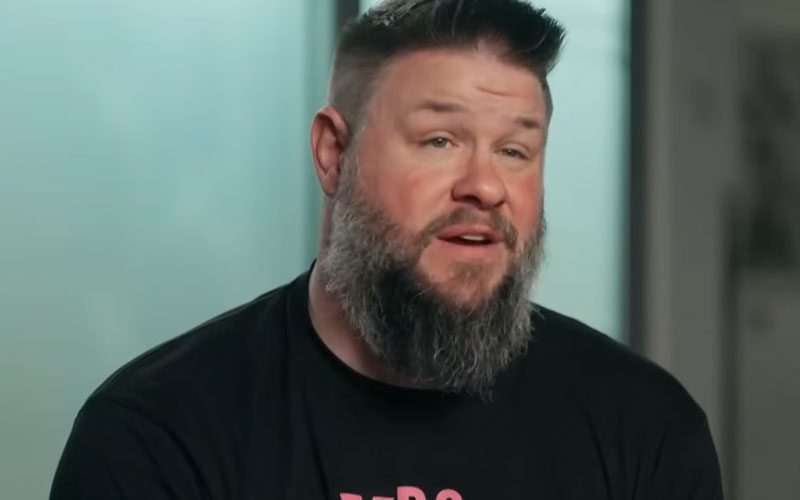
Kevin Owens remains on the shelf as he pivots to LFG
Kevin Owens is sidelined with a significant injury that continues to keep him out of in-ring action. While he recently stepped into a role with WWE LFG heading into its upcoming season, the former Universal Champion has been vocal about his frustration regarding the ongoing recovery process.
Owens expressed that he is struggling with the confinement of his hiatus. He noted that he is currently losing his mind during the layoff, as the physical inactivity sits in stark contrast to his usual schedule of high-impact matches. There is no official timetable for his clearance to return to regular competition.
His transition into the LFG role offers a strategic pivot for the company. As reported by F4WOnline, Owens is utilizing this time to remain active within the brand's creative structure despite his physical limitations. Integrating established talent into non-wrestling roles has become a standard approach to maintain viewer engagement while stars address medical concerns.
Injury management issues remain a constant hurdle
The pattern of talent returning from extended layoffs only to find their momentum stalled by inconsistent booking is a recurring issue. Owens finds himself in a difficult position where he must balance his physical rehabilitation with the demands of his new off-screen responsibilities. His frustration is rooted in the reality that even a minor setback can cost a performer months of relevance.
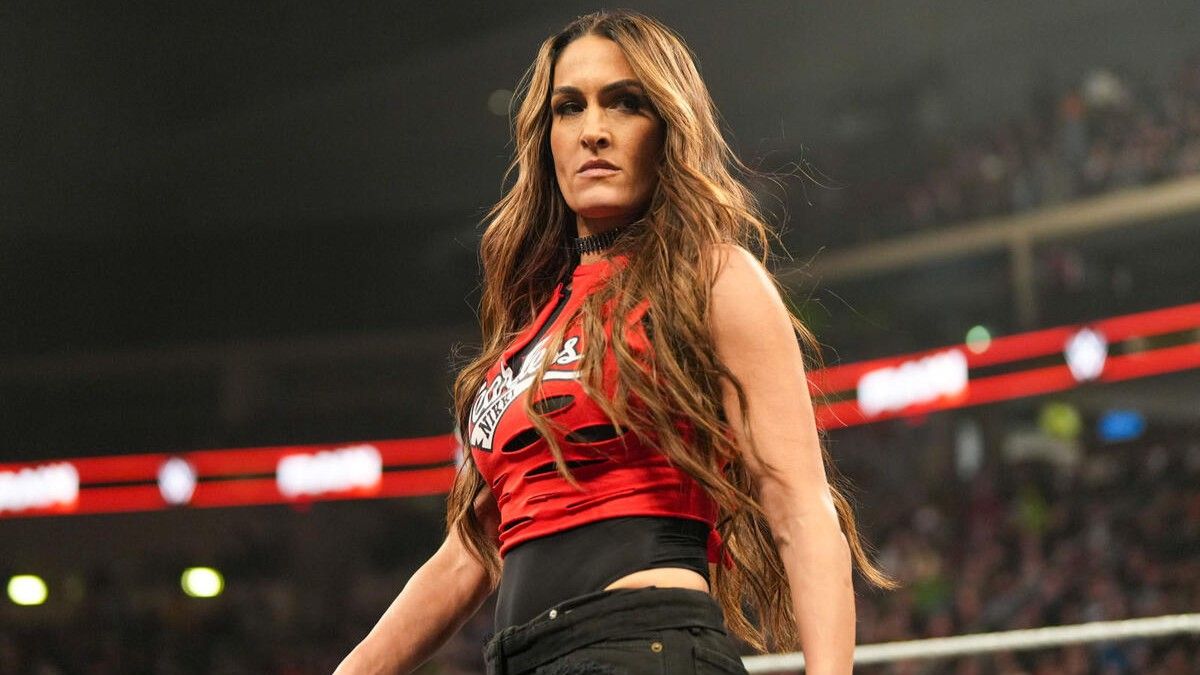
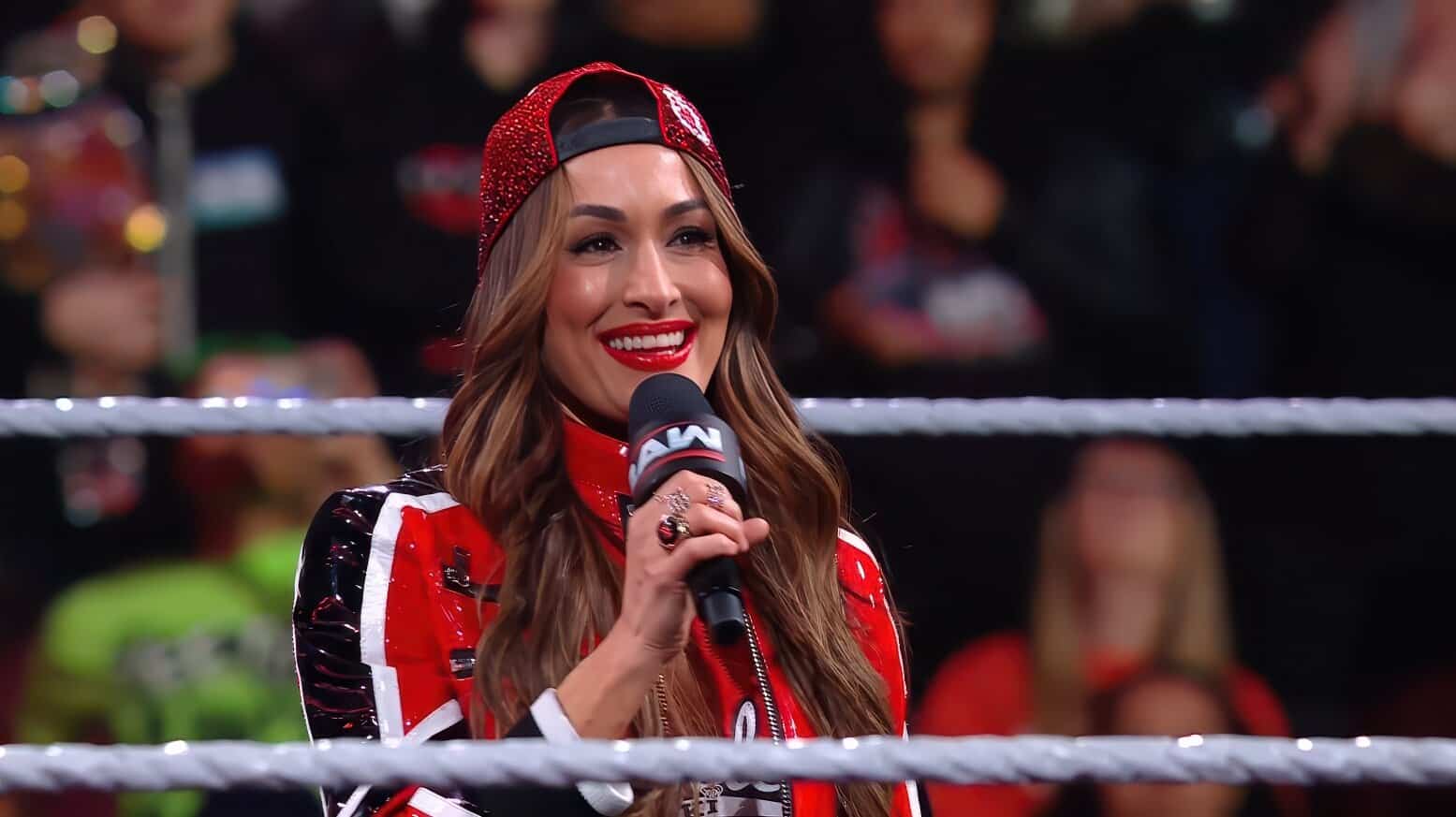
Nikki Bella is facing similar uncertainty as she works through an ankle injury that has kept her out of the ring. Like Owens, her absence has necessitated a strategic shift in her presentation. Recent reports indicate she is actively planning a character overhaul to coincide with her eventual return. This strategy is frequent for performers who need to justify their return to television after a long absence.
History shows that these periods of inactivity are rarely purely about injury recuperation. Many wrestlers use the time to recalibrate their public persona. However, the risk of a character change falling flat remains high when a performer is sequestered from the crowd for an extended period.
Strategic implications for the WWE roster
The absence of key figures like Owens and Bella creates a vacuum on the main event card. As the company looks toward back-end spring programming, the pressure to fill these spots often leads to rushed returns. This cycle is detrimental to long-term health and often results in recurring injuries.
Management faces a dilemma: rush a veteran back to boost ratings or allow the necessary recovery time and risk losing the audience's attention. Current medical protocols are stricter than they were a decade ago, yet the demand for consistent content often overrides medical caution. The decision to pivot Owens to a production-heavy role suggests that leadership is prioritizing his presence on screen over his health status in the immediate term.
Critically, the reliance on injured stars to fill peripheral programming is a poor use of assets. It signals a thinning roster depth where the company feels unable to move forward without relying on the legacy of its top stars. If a performer is truly injured, their total detachment from the product might actually allow for a more impactful return, rather than having them appear in low-stakes segments that do little to advance their character potential.
The cost of a stagnant lineup
The reliance on established names to bridge the gap during injury cycles creates a stale product. When stars are kept relevant through interviews or studio segments rather than competitive bouts, the quality of weekly television suffers. It creates a disconnect where fans are reminded of a persona, but not the athlete that made them famous.
For Owens, the focus must remain on the long-term viability of his joints and joints-related recovery rather than his status in a new digital series. If he is rushed back into a physical angle before he is firing on all cylinders, the probability of re-injury is statistically significant. His current path is a gamble between maintaining exposure and ensuring career longevity.
Ultimately, both Owens and Bella are navigating a difficult reality in modern sports entertainment. The expectation to evolve while incapacitated is a modern standard that, while impressive in its hustle, often ignores the basic physiological needs of the human body. As the calendar approaches major events, the pressure to accelerate these recovery timelines will only mount, potentially jeopardizing the long-term well-being of the roster.