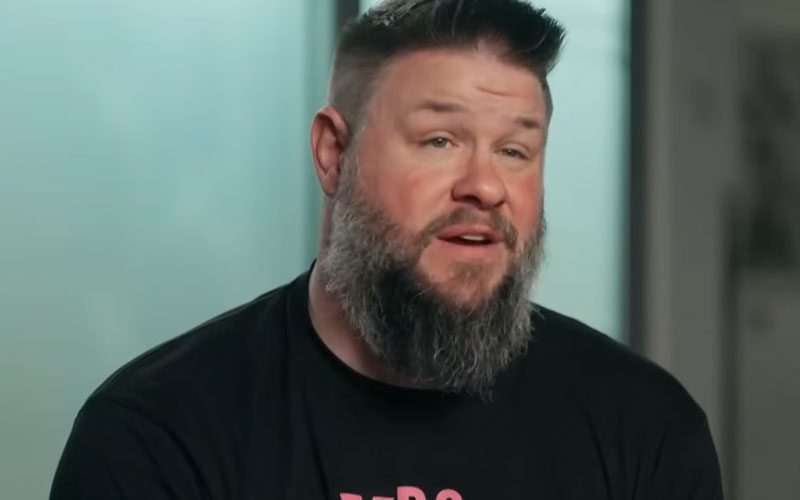
Shoulder rehabilitation remains the priority for Sheamus
Sheamus has remained sidelined since suffering a significant shoulder injury last year. The veteran wrestler has been absent from television programming while focusing on medical clearance protocols. His return represents a variable in the current mid-card booking strategy.
The lack of a defined comeback date underscores the severity of prolonged joint complications in professional wrestling. Chronic damage to the rotator cuff or labrum often requires extensive movement restriction, even after the initial surgery is deemed successful. WWE officials have not confirmed a timeline for his participation in upcoming live events.
This recovery process mirrors historical precedents where high-impact performers faced long-term hiatuses to preserve their career longevity. The focus remains on functional strength rather than an arbitrary calendar goal. Without full range of motion, returning to active duty puts the athlete at immediate risk of re-aggravating the injury during a high-stakes spot.
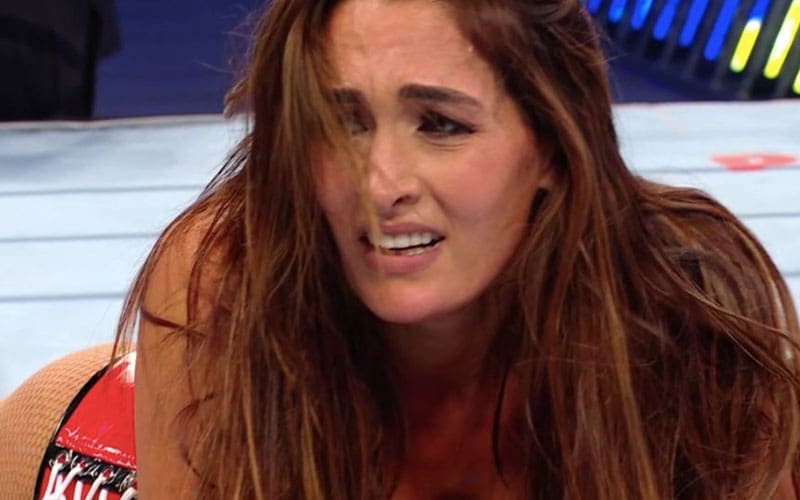
Nikki Bella faces ankle recovery hurdles
Nikki Bella continues to navigate an recovery path following an ankle injury. The timing of this setback raises questions regarding her physical availability for future marquee appearances. Recovery timelines for lower-extremity trauma often exceed initial expectations due to the constant stress of ring movement.
The mechanics of professional wrestling rely heavily on stability in the ankles and knees. Any lingering weakness in the joint directly affects the ability to execute fundamental maneuvers safely. Relying on an unhealed ankle during a broadcast could result in a catastrophic collapse, forcing the medical team to be exceptionally conservative.
Strategic implications for the division
The absence of established talent forces reliance on the younger roster, which shifts the internal balance of power. While NXT staff members like Vicky D’Errico continue to diversify their professional portfolios, the main roster requires injury-free veteran presence to anchor major PLE events. Wrestling is currently suffering from a rotation that feels thinner than it was three years ago.
It is statistically clear that modern conditioning training has not eliminated the specific wear-and-tear cycle affecting senior performers. The reliance on high-impact, explosive movements remains a consistent friction point between wrestler desire and biological reality. WWE management must now manage the optics of these absences while attempting to maintain attendance figures for events like the upcoming Backlash in May.
A critical observation regarding the current medical management: the lack of transparency often creates unrealistic fan expectations. When a performer is out for over 12 months, the promotion should provide clearer benchmarks for their return. Leaving the status of veteran performers in a state of indefinite suspension creates a booking vacuum that rarely benefits the audience engagement level.
Read Next