Setting the record straight on injury accountability
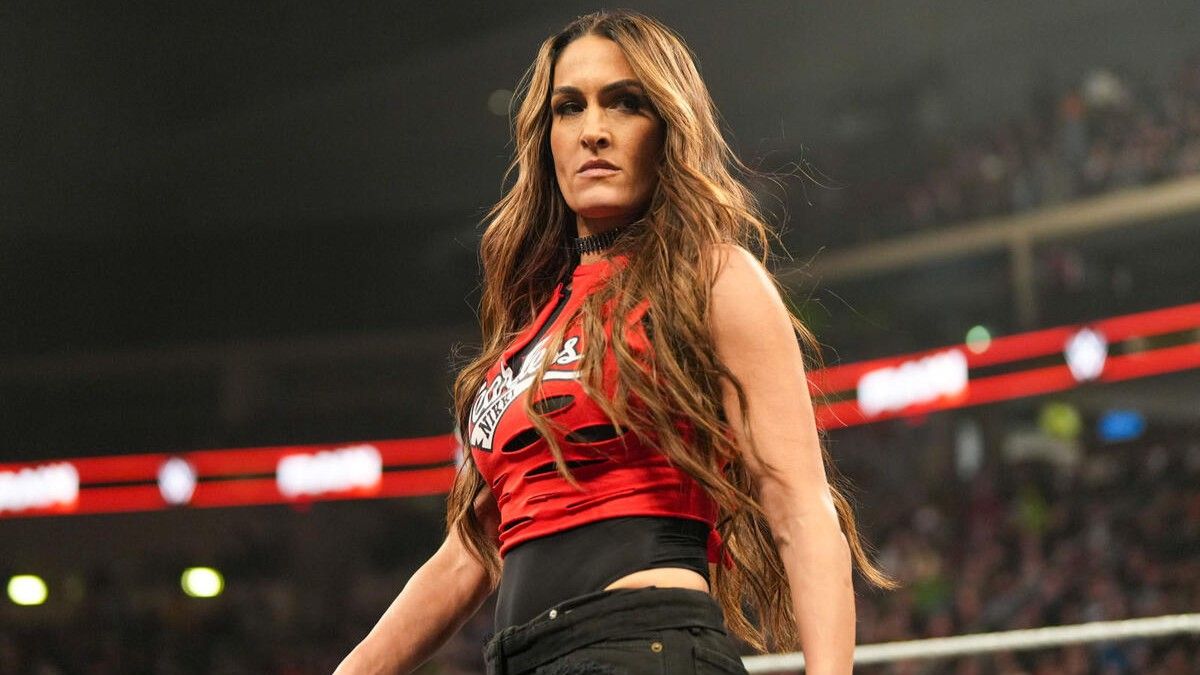
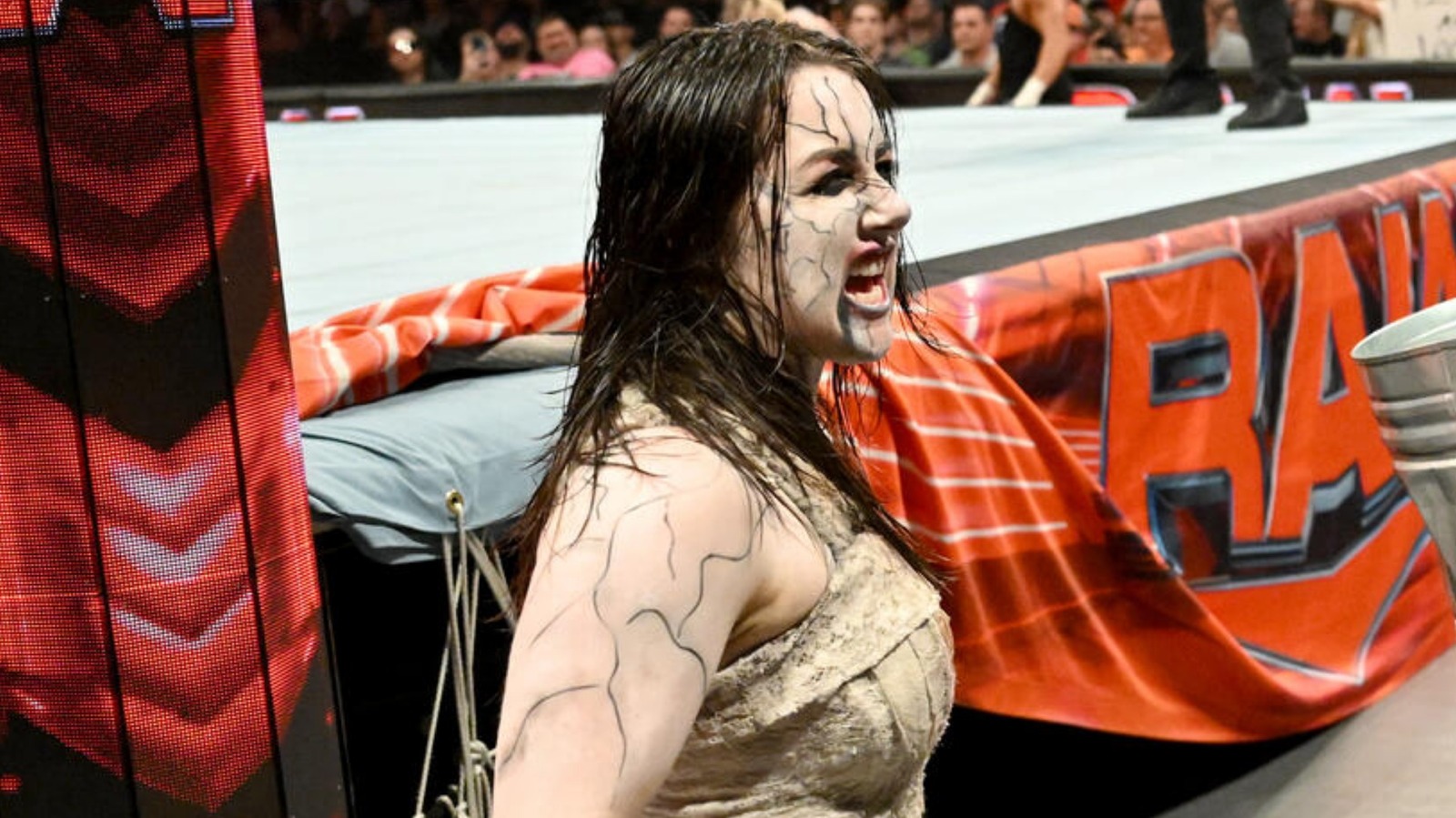
The wrestling community often fixates on the ring mechanics of specific moves to explain performer injuries. Following a recent public discourse regarding a physical setback involving Nia Jax, Nikki Bella moved this week to clarify the sequence of events. She confirmed that Jax was not the catalyst for the ankle injury that forced her off the card.
Instead, Bella detailed the mechanics of the incident, noting that Jax actually assisted her during the transition out of the ring. This debunking exercise is necessary for talent safety conversations. It prevents the social media pile-on that typically follows accusations of reckless work rate or unsafe maneuvers.
The psychological toll of missing high-stakes cards
Physical injuries in professional wrestling are public, but the emotional cost of sitting out remains largely invisible to the audience. Bella admitted that staying on the sidelines for major events proved significantly harder than she expected. There is a specific level of professional frustration that occurs when a performer cannot compete on the company’s biggest stages.
The recovery process does not exist in a vacuum. Beyond the physical therapy and weight room sessions required to restore mobility, there is the internal realization that time windows for in-ring competition are tightening. Reports indicate that these gaps in activity force athletes to confront the reality that their career clocks are accelerating faster than they might prefer.
Public narratives versus private realities
The intersection of public scrutiny and private struggle is where much of the confusion regarding WWE injuries stems. Fans are often quick to weaponize live feed footage to blame opponents for sudden absences. However, as wrestling analysts have noted, the reality is rarely as simple as a single botched spot.
The persistent focus on who is to blame for these injuries often distracts from the core issue: the toll of a decade-long schedule. When performers are required to cycle through high-impact maneuvers multiple times a week, simple wear and tear often culminate in explosive outcomes that happen to occur at the end of a match. This is not a failure of a single individual; it is the inevitable tax of the industry.
The backdrop of personal life adjustments
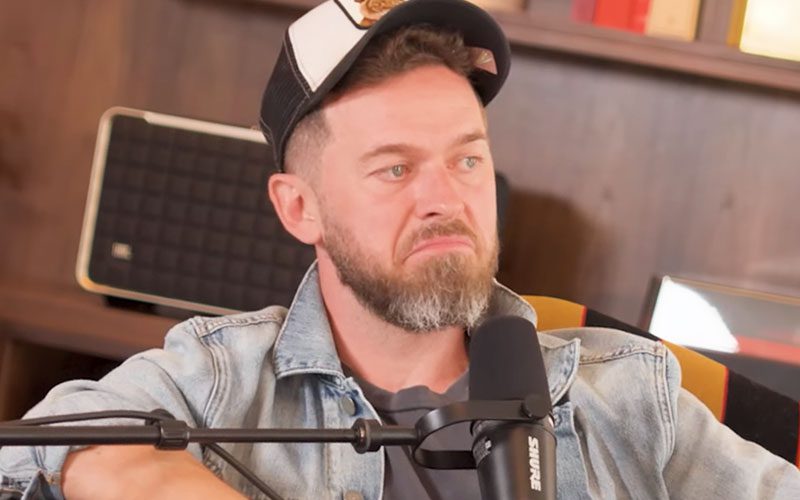
Injury rehabilitation rarely happens in isolation from personal upheaval. Bella is currently navigating the fallout of her 2024 divorce from Artem Chigvintsev. Recent comments from Chigvintsev suggest that the door is not fully closed on communication, even if reconciliation is not on the immediate horizon.
These personal stressors undoubtedly affect how an athlete manages a recovery timeline. A performer with high levels of external distraction may find the tedious, lonely work of physical therapy more draining than someone without such external pressures. Managing an ankle injury is 40 percent mechanics and 60 percent mental focus on the return date.
Strategic implications for the division
When high-profile stars like Bella are moved to the injury list, the booking ramifications are immediate. WWE has to shuffle title pictures and tag team dynamics on the fly. This forces management to lean on newer talent, which is a double-edged sword: it creates opportunities for growth but often leaves ratings vulnerable if the established star’s absence creates a personality vacuum.
We have seen this cycle play out repeatedly over the last few years. The roster is thinner than it appears on paper due to the sheer volume of lingering minor injuries that don't always garner press releases. Management must now decide whether to integrate these absences into narratives or keep the status of the performers behind a wall of silence.
As noted in recent reports, the transparency regarding the cause of the injury helps clear the air, but speculation will undoubtedly continue regarding the specific timeline for a potential return. There is no official word on when we might see a return to regular competition. The focus remains on rehabilitation rather than a hard target date.
Why fans must adjust expectations
The urge to pin an injury on a specific opponent is a symptom of a fan base that treats wrestling moves like forensic evidence. It takes away from the fact that these athletes are managing collective trauma to their frames over years of travel and impact. Expecting a perfect, injury-free career is statistically illiterate in this profession.
If the standard remains this high for physical output, the list of walking wounded will continue to grow. We are looking at a future where even the most durable stars will need to incorporate significantly more recovery time into their annual plans to avoid long-term mobility issues. The 5-year trajectory of the current roster depends entirely on how they manage these middle-career recovery phases.