The Physical Debt of a WrestleMania Moment
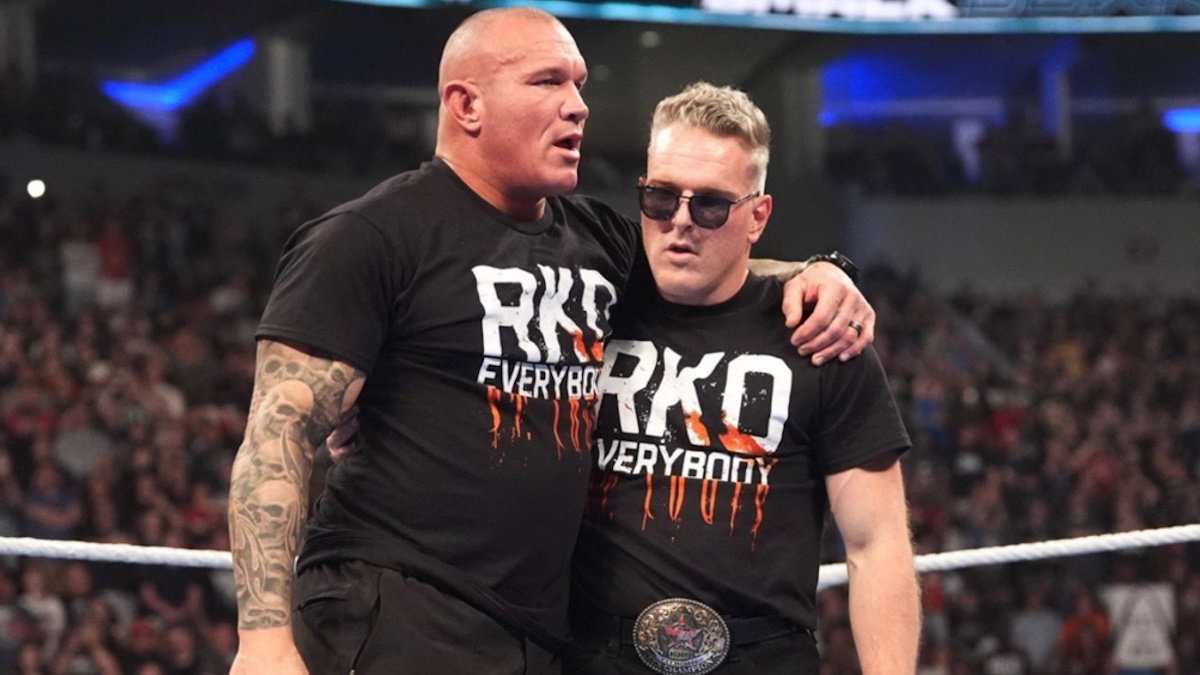
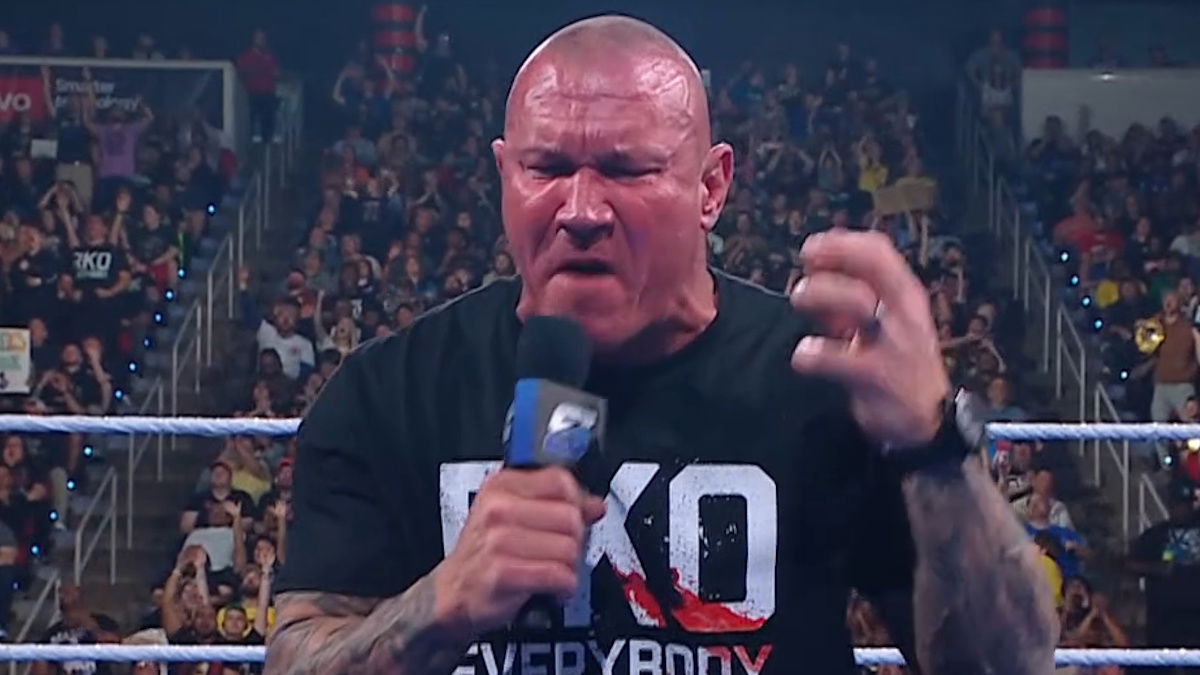
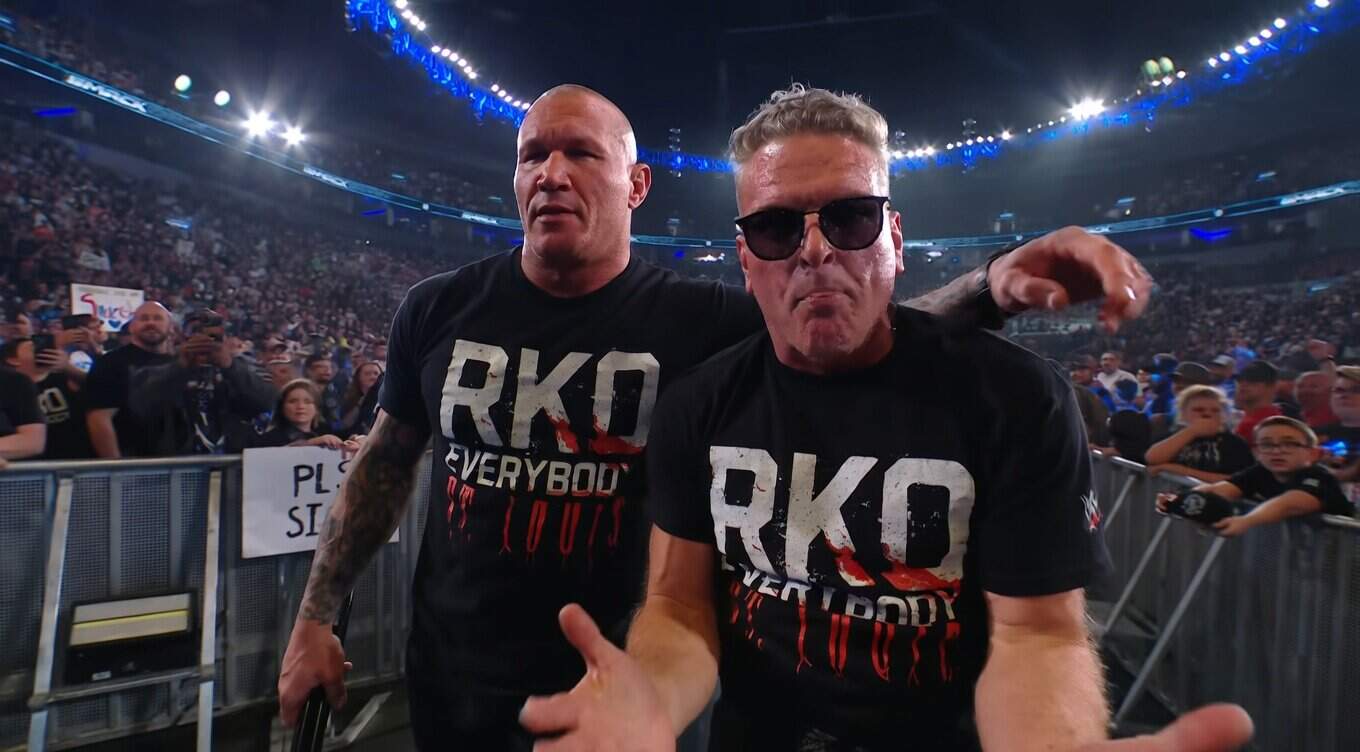
The adrenaline has finally evaporated, and in its place, the cold reality of physics has set in for WWE’s favorite outsiders. Pat McAfee and Jelly Roll were central figures in the carnage of the recent WrestleMania weekend in Las Vegas, but the price of that visibility is now being tallied in the trainer's room. As of this Thursday, McAfee has reportedly opted out of all post-event creative plans, a move that signals a significant shift in his physical relationship with the squared circle.
This isn't just about a busy schedule or the demands of his daily show; it is about the cumulative micro-trauma that comes with being a part-time athlete in a full-time world. McAfee has spent the last four days recovering from a weekend that saw him involved in high-impact sequences that would rattle a seasoned pro, let alone a broadcaster who spends most of his week behind a desk. The decision to pull back isn't a lack of desire, but a necessary medical concession to a body that is currently redlining.
Meanwhile, Jelly Roll has provided the most honest assessment of the situation we have seen from a celebrity guest in years. Following his involvement in the main event chaos, the Grammy-nominated singer admitted to McAfee that they "had no business" being in that environment. It was a rare moment of transparency in an industry that usually demands everyone pretend they are indestructible. Jelly Roll’s admission that they should "get back to what they’re good at" suggests that the physical toll of even a few minutes in a WWE ring is becoming a deterrent for high-profile talent.
McAfee’s Body Can’t Keep the Pace
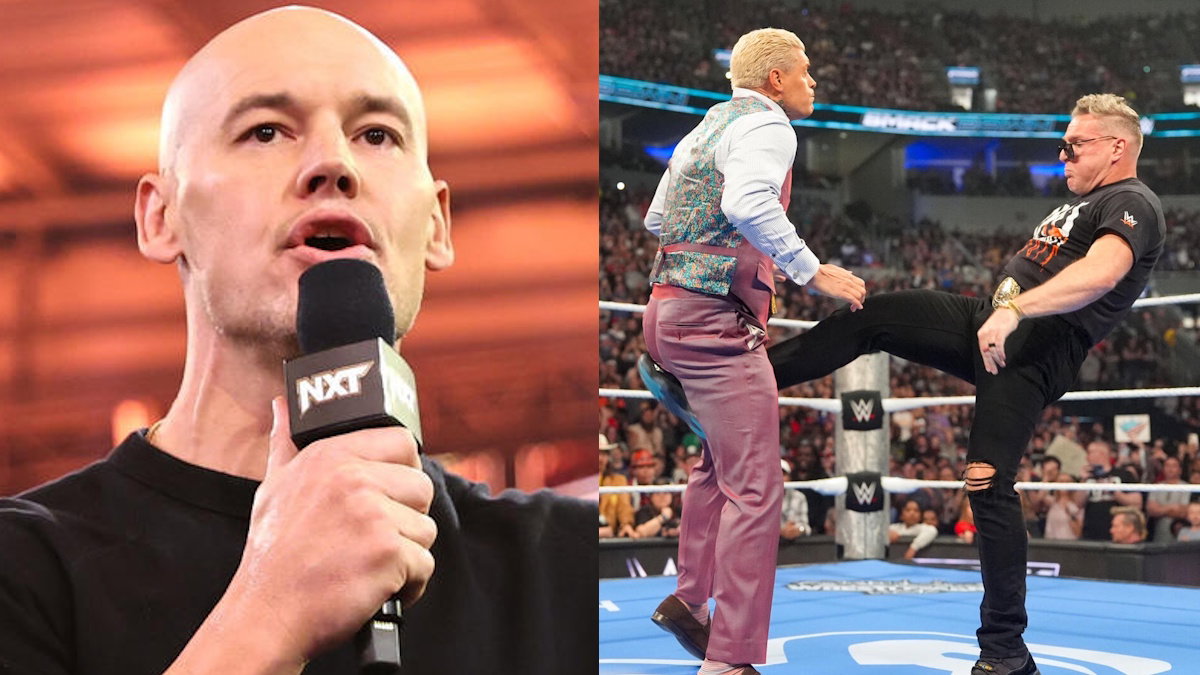
For three years, Pat McAfee has defied the traditional gravity of celebrity wrestling. He doesn't just show up for a punch-and-kick routine; he takes Swanton Bombs, he leaps from the top rope, and he absorbs the kind of ring-post collisions that end careers. But at 38 years old, the recovery window for those stunts is closing rapidly. Sources indicate that the "chaos" of the recent main event left McAfee dealing with significant soft-tissue inflammation and possible spinal compression issues that made the prospect of a Raw or SmackDown appearance impossible.
When a non-wrestler participates in a 20-minute sequence involving multiple performers and weapons, the margin for error is razor-thin. Unlike a full-timer like Seth Rollins or Cody Rhodes, whose connective tissue is hardened by 200 nights a year in the ring, McAfee’s body lacks the specific neurological conditioning to anticipate every impact. He is essentially suffering from a severe case of "adrenaline crash" coupled with the physical reality of a 300 pound musician and multiple other bodies crashing into him in a confined space.
The strategic implication here is massive. WWE has built its recent boom on the back of these crossover moments, but if the "opt-out" becomes a trend, the company loses its most effective marketing tool. We saw similar burnout with Logan Paul after his first few high-stakes matches, but McAfee’s situation is more concerning because he is woven into the weekly fabric of the product. If he can no longer bridge the gap between the commentator's table and the ring without a month of recovery, the "Special Attraction" era of Pat McAfee might be nearing its conclusion.
The Celebrity Safety Gap and Historical Context
The history of celebrities in wrestling is littered with performers who underestimated the physicality. From Lawrence Taylor needing oxygen after WrestleMania XI to Shane McMahon’s more recent and devastating quad tear during a surprise return, the ring has a way of humbling anyone who doesn't treat it with total reverence. Jelly Roll’s comments to F4WOnline about getting back to music are a direct reflection of the "fear factor" that sets in once the lights go down and the bruises turn purple.
In the past, celebrities were shielded in tag team matches or short squash segments. Now, the expectation is that they will perform at an elite level. This has created a dangerous precedent where a singer like Jelly Roll is expected to navigate a ten person brawl without getting his head taken off by a stray boot. The medical risk is amplified by the fact that these guests often have massive insurance policies and external tours that could be derailed by a single mistimed powerbomb.
"We had no business there... let's get back to what we're good at."
This quote from Jelly Roll to Ringside News should be a wake-up call for WWE’s medical and talent relations departments. While the optics of the moment were spectacular, the physical safety of the participants was clearly at a premium. If McAfee is indeed opting out of plans, it suggests that the internal medical evaluation after the show was far more sobering than the broadcast let on. You don't walk away from a main-event spot because you're tired; you walk away because you can't get out of bed.
Analyzing the Fallout and Strategic Pivot
The immediate fallout is that WWE has a significant hole in its post-WrestleMania programming. McAfee is the primary voice of Monday Night Raw, and his absence leaves a void in the energy and tone of the show. More importantly, it forces the creative team to reconsider how they use these stars. If the physical toll is too high for a two night event, then the idea of McAfee as a regular competitor is officially dead. He is now a "once-a-year" asset at best, and even that is looking shaky.
There is also a critical observation to be made about the booking. By involving so many non-wrestlers in the "chaos" of the main event, WWE effectively diluted the stakes and increased the risk of injury for everyone involved. When you have performers who aren't trained to fall properly taking bumps in a high-tension environment, you are asking for a medical catastrophe. The fact that McAfee and Jelly Roll are the ones speaking out—and stepping away—suggests that they realize how close they came to a permanent injury.
- McAfee's return to the booth is expected, but his in-ring career is likely on a six month hiatus.
- Jelly Roll has effectively retired from physical involvement in WWE segments.
- WWE may need to implement a stricter "Celebrity Training Protocol" for future guests.
- The reliance on chaos-style booking may be scaled back to protect high-value assets.
Ultimately, this is a lesson in sustainability. WWE can't keep asking its celebrity guests to act like stuntmen without expecting them to eventually break. McAfee’s decision to opt out isn't a betrayal of the fans; it's a survival tactic. He has a family, a massive media empire, and a body that has already given more to the wrestling business than anyone could have reasonably expected. If this is the end of "Wrestler Pat," he leaves with his health—barely—and a very clear understanding of why the pros do what they do for a living.
Read Next