The Initiation Ritual We All Knew Existed
If you have watched professional wrestling for more than five minutes, you know it operates on a set of unspoken, deeply carny rules. You don't shake hands with your left hand. You don't wear your gear to the hotel bar. And apparently, if you want to be a top guy in WWE, you have to eat a few clean pins to prove you aren't going to cry about it.
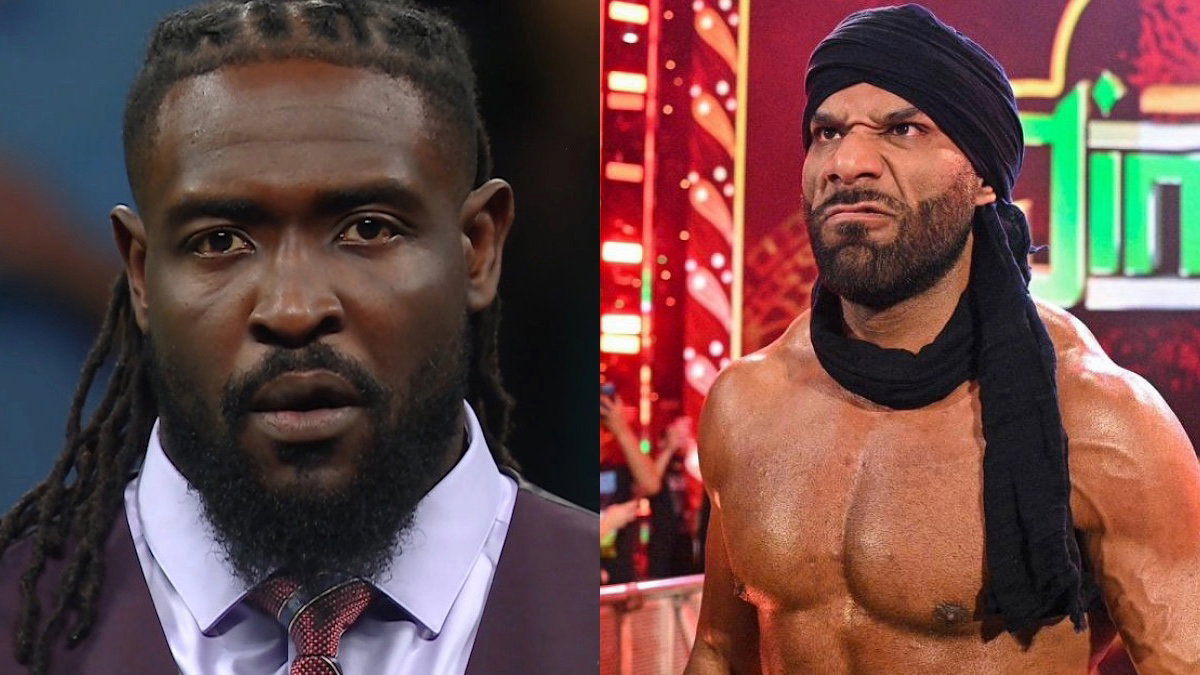
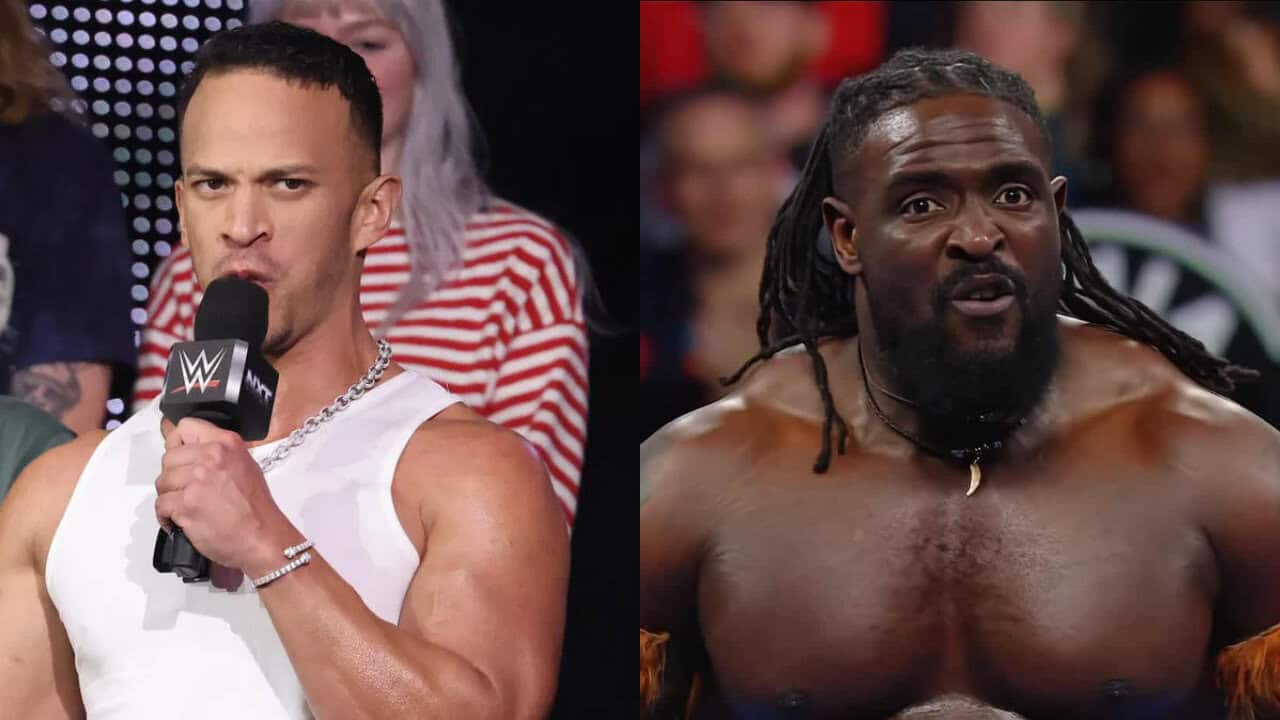
This week, former WWE star Donovan Dijak spilled the beans on a particular rite of passage down in NXT. According to Dijak, management deliberately books new, highly-touted prospects to lose a string of matches right out of the gate. The goal? To see if they have an attitude problem.
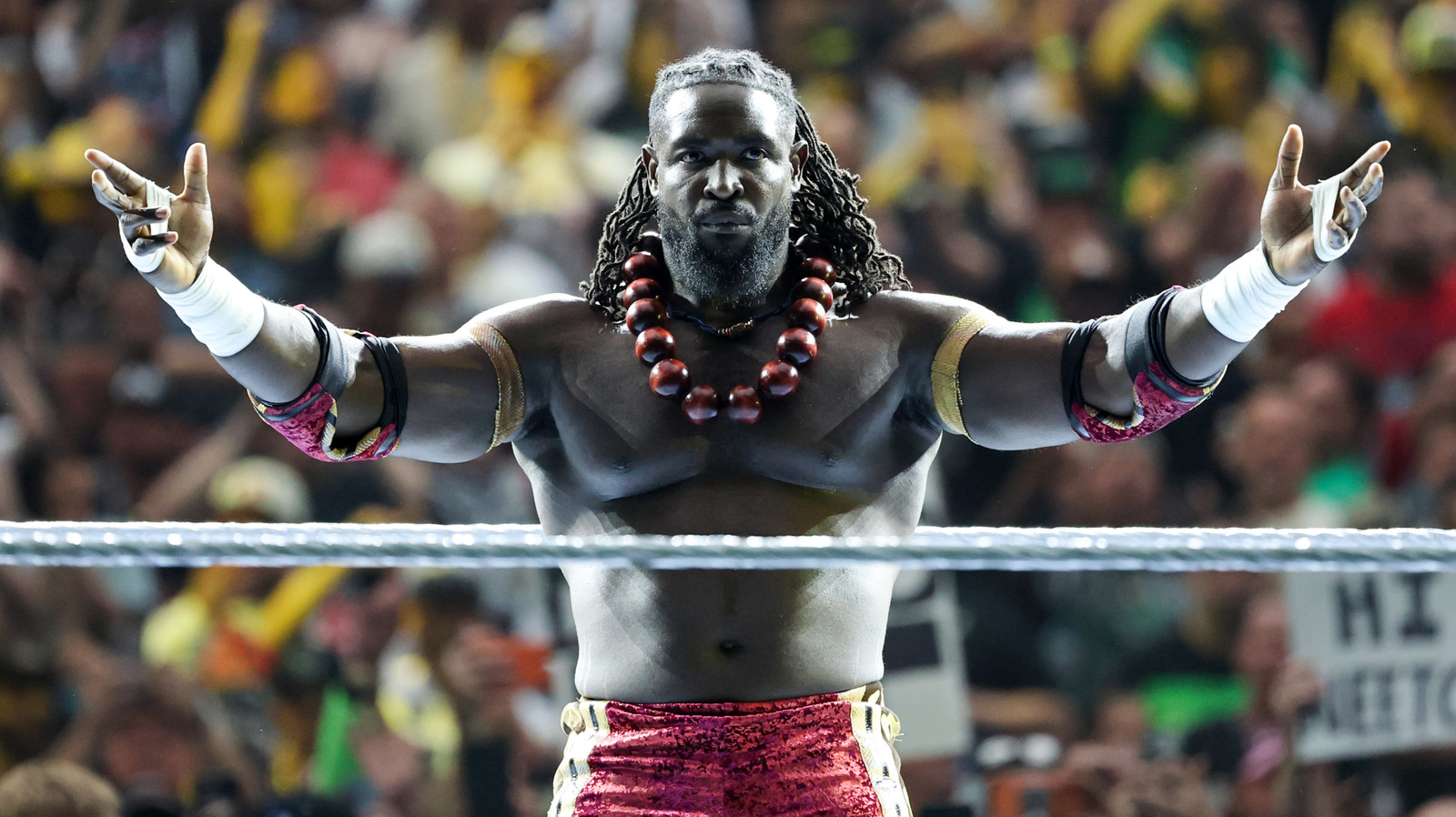
Dijak pointed to current NXT North American Champion Oba Femi as the prime example. Before Oba was throwing grown men around like lawn darts and looking like the final boss of a video game, he started his televised career going 0-5. Those matches weren't competitive showcases where he barely fell short. They were methodical, humbling defeats designed to serve a singular purpose.
This wasn't an accident. It wasn't a case of Shawn Michaels struggling to find a spot for him. It was a calculated psychological exam. They wanted to see if the massive collegiate athlete would storm into the back, kick a trash can, and complain about his spot on the card.
The Irony of Shawn Michaels Handing Out Attitude Tests
Let's just pause for a second and appreciate the sheer comedic value of Shawn Michaels administering an attitude test. The man who practically invented the backstage tantrum in the 1990s is now the gatekeeper for locker room harmony. If 1997 Shawn Michaels had been booked to go 0-5 in developmental, he would have taken his ball, gone home, and probably set the arena on fire on his way out.
But that is exactly why Michaels might be the perfect guy to run this gauntlet. He knows what a toxic ego looks like because he lived it. He understands how a bad attitude can infect a locker room, poison the booking sheet, and derail a company from the inside out.
The NXT Performance Center is currently flooded with former Division I athletes, Olympic hopefuls, and NIL signees. These are young men and women who have been told how special they are since they were in middle school. They are used to being the star player on the field. They are not used to being told to lay on their backs for three seconds while some guy who wrestled in armories for a decade gets his hand raised.
So, WWE tests them. They humble them immediately. They strip away the college accolades and force them to prove they respect the bizarre, upside-down business of professional wrestling.
Does The Test Actually Work?
It is hard to argue with the results in the case of Oba Femi. The guy took his early losses on Level Up, kept his mouth shut, learned how to work the camera, and is now one of the most protected acts in the entire company. He passed the test with flying colors. He swallowed his pride, and his bank account will thank him for the next fifteen years.
But the practice raises some incredibly frustrating questions about WWE's evaluation process. If the goal is to weed out people who complain, what happens to the people who never complain but still get ignored? Dijak himself is the perfect counter-example to this entire management philosophy.
Dijak was the consummate professional. He reinvented himself multiple times, from Dominic Dijakovic to T-Bar to the leather-clad enforcer of his final NXT run. He had absolute bangers against Ilja Dragunov and Carmelo Hayes. He did everything management asked him to do, never complained publicly, put over the younger talent without a single groan, and got over with the crowd organically.
His reward? He was drafted to Monday Night Raw, completely ignored for weeks, and then his contract was allowed to expire. He passed the attitude test every single day for years, and it got him a polite handshake and a spot in the unemployment line. The system completely failed him, proving that being a good soldier only matters if the generals actually want to use you in battle.
The Fine Line Between Humility and Humiliation
There is a massive difference between keeping an ego in check and breaking a performer's confidence. Vince McMahon was notorious for the latter. Vince loved to see how much embarrassment a wrestler could take before they snapped. He would put them in polka dots, give them awful gimmicks, or have them lose in their hometown just for his own twisted amusement.
Vince's evaluations rarely felt like genuine tests of character. They felt like power trips from a billionaire who wanted to remind his independent contractors who held the leash. The current NXT regime under Triple H and Shawn Michaels seems to have refined the process into something slightly more professional, but the DNA of the carny business is still undeniable.
You can see this pattern repeating across the roster over the years. Look at LA Knight. When he first debuted on the main roster, they stripped away everything that made him cool, handed him a clipboard, and called him Max Dupri. It was agonizing to watch a generational talker playing an annoying fashion agent. But Knight played the hand he was dealt, got the terrible gimmick over as best he could, and eventually earned the right to be himself again. Now he is printing money for the company and moving massive amounts of merchandise.
Then you have someone like Seth Rollins. Early in his FCW run, Rollins was reportedly on the verge of being fired because he thought he knew more than the trainers. He was an independent darling who had bangers in Ring of Honor, and he openly resented being told how to work by WWE veterans. He had an attitude. It took Joey Mercury literally pulling aside the future world champion and explaining that he was throwing his career away for Rollins to swallow his pride, play the corporate game, and become the visionary we see today.
When The Test Backfires
But what happens when the test actually costs the company money? How many potential stars did WWE alienate because they insisted on humbling them first?
For every LA Knight who survives the gauntlet, there is a Keith Lee or an Aleister Black who gets completely lost in the shuffle. The main roster writers often decide these guys need to be broken down before they can be built back up. The problem with making someone lose five times in a row is that the audience remembers. You are actively training your television viewers to view this new talent as a loser.
Oba Femi survived his early defeats because his physical charisma is off the charts and those matches happened largely on Level Up, out of the mainstream spotlight. But trying to pull that off on Monday Night Raw is a recipe for absolute disaster. If you debut a 280-pound killer on national television and have him eat a rollup from The Miz in his second week, the casual audience writes him off completely.
You cannot book a monster like a chump and then expect the fans to buy tickets to see him a month later. The attitude test only works if it happens in the dark. Once the red light is on, you are playing with the talent's drawing power.
The Indie Culture Clash
If you look at how independent wrestling operates today, the culture clash with WWE's corporate structure becomes incredibly obvious. Guys working for Game Changer Wrestling or PWG are essentially running their own small businesses. They book their own travel, design their own t-shirts, and, most importantly, they often have a massive say in how their matches are structured. If they want to kick out of a top-rope piledriver at two-and-a-half, they just do it.
When those independent stars finally sign a WWE contract, the culture shock is immediate. Suddenly, you aren't the boss of your own brand anymore. You are a highly paid gear in a massive machine. The trainers at the Performance Center don't care if you had a five-star classic in the Tokyo Dome. They care if you can hit your mark, look at the hard cam, and take a clothesline exactly when the producer tells you to.
This is where the attitude test becomes vital for management. They need to know if the indie darling who used to call his own shots in front of four hundred people is going to throw a tantrum when he is told to work a three-minute squash match on a random episode of Main Event. If you refuse to humble yourself, the company will simply stop booking you. It is a harsh reality check for performers who built their entire identities around being creative rebels.
WWE is essentially breaking the wild horses so they can be ridden in the parade. It might ruin some of their natural spirit, but from the company's perspective, a predictable horse is much more valuable than a wild one that might kick the carriage over on live television.
The Evolution of the Locker Room
The modern wrestling locker room is vastly different from the chaotic environments of the Attitude Era. The boys aren't policing themselves with physical violence, ribs, or wrestlers' court anymore. Today, wrestlers are essentially independent contractors operating in a highly sanitized, corporate environment under the massive TKO banner.
In that context, an attitude test makes a twisted sort of corporate sense. WWE is investing massive amounts of time and financial resources into these athletes. They are handing them international TV exposure, massive social media reach, and potentially millions of dollars in downside guarantees. They want to know that their multi-million dollar investment won't have a meltdown on Twitter because they didn't like the finish of a house show match.
It is the wrestling equivalent of a high-pressure corporate interview. The interviewers intentionally put you in a deeply uncomfortable position to see if you crack under the heat.
Dijak's revelation simply confirms what fans have suspected for decades. WWE doesn't just want talented workers who can hit a moonsault perfectly; they want compliant employees. They want dedicated soldiers who will execute the creative vision without friction. If you show a hint of rebellion or ego when you are at the bottom of the card, they will never trust you with the championship at the top.
The Bottom Line
This entire situation highlights the bizarre duality of professional wrestling. We demand that our onscreen characters be unhinged, violent, and utterly uncompromising. We want them to fight authority, break the rules, and flip off their bosses. But behind the curtain, the real people portraying those characters have to be the most patient, corporate-friendly team players on the planet.
If Oba Femi really was subjected to a five-match losing streak just to check his ego, he handled it perfectly. He played the game, ate his losses without complaint, and is now reaping the massive rewards. But it still leaves a sour taste in the mouth knowing that the company actively sabotages its own talent just to see how they will react.
It makes you wonder who else is currently undergoing the test right now on Tuesday nights. The next time you see a heavily hyped prospect inexplicably lose to a guy with a bad haircut and no entrance music, don't assume the booker has completely lost their mind. The test is likely in full swing, and the performer's entire career is hanging in the balance based on how they act when they walk back through the curtain.
It is brutal, it is manipulative, and it is entirely on brand for a company that has spent seventy years perfecting the art of psychological warfare on its own roster. The matches may be scripted, but the mental games are as real as it gets.