The developmental paradox
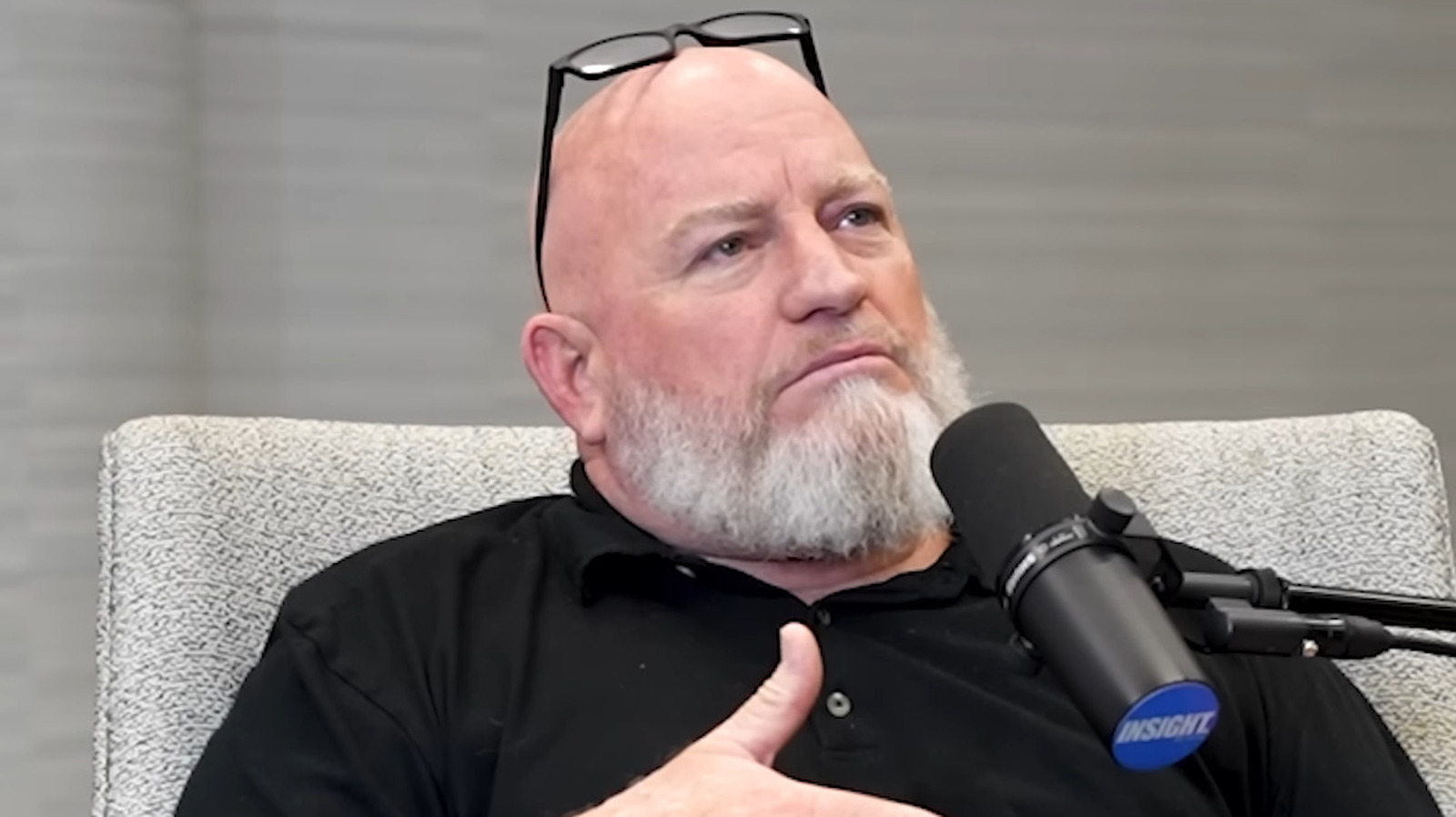
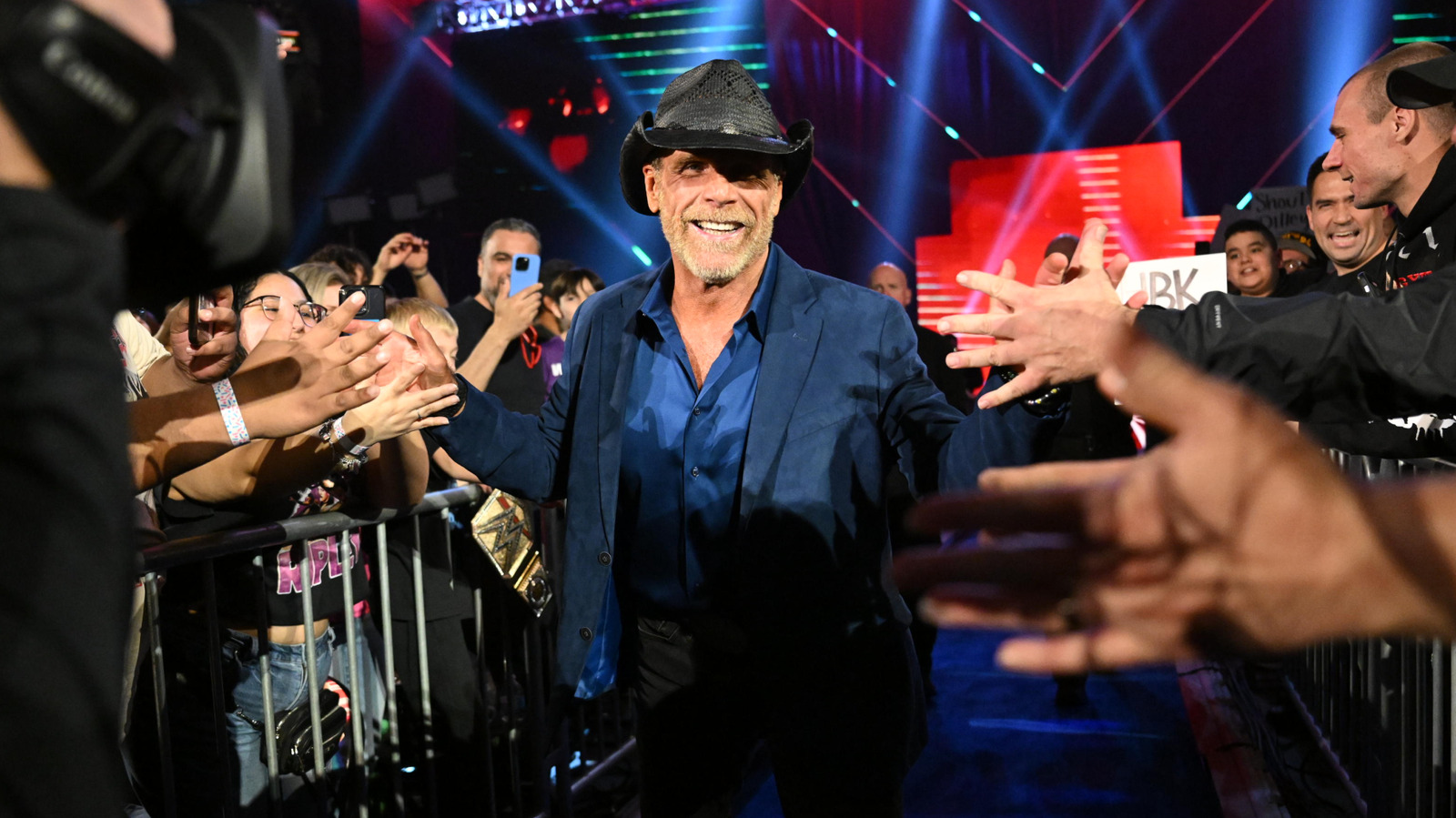
Developmental talent entering the main roster today face a transition period significantly longer than predecessors from the 2005 era. Shawn Michaels recently noted that the modern landscape for talent requires years of seasoning before they are deemed ready for main event exposure. The inefficiency isn't a lack of talent, but a shift in the speed at which the industry consumes performance data.
While historical development cycles utilized smaller regional territories to iterate on character beats, the standardized format of NXT forces a controlled evolution. This keeps injury rates low but inhibits the trial-and-error growth necessary for elite-tier main roster performers. When talent like Chelsea Green can bridge the gap by proactively pitching ideas directly to decision-makers like Triple H and Shawn Michaels, it highlights a failure in the formal pipeline to filter creative autonomy.
Creative bottlenecking and performance health
Green’s recent health situation serves as a stark reminder of the physical cost of maintaining this visibility. Following a recent heart procedure, documented in reports after the surgery, her return to the ring demands rigorous medical oversight. The lack of standardized recovery windows for talent often leads to high-velocity performers pushing through physiological warning signs.
As noted in medical updates, the standard for return-to-play in 2026 is no longer just physical clearance. It now includes long-term cardiovascular monitoring that was absent in rosters from even a decade ago. If the company is relying on older stars or outside management to negotiate contracts, like Michaels’ own experience with his wife handling his deal, the lack of institutional continuity in talent relations is glaring.
Defining the readiness metric
- Talent in 2010 spent an average of 18 months in specialized developmental programs before debuting.
- Modern NXT prospects are spending upwards of 36 to 48 months in the system.
- The current retention rate of NXT call-ups remaining on the main roster past 24 months is currently sitting at 42%.
- Booking turnover across RAW and SmackDown has increased by 14% since year-end 2024.
The math is clear: the longer you spend in the incubator, the shorter your half-life is once you are exposed to main roster pressure. Michaels has expressed that preparing talents for the speed of the main show involves managing heightened expectations that simply do not exist within the walls of the Performance Center. This disparity explains why the 42% retention rate feels generous; many talents are effectively dead-on-arrival due to character staleness after spending four years in the developmental system.
The current booking philosophy relies on a "sink or swim" mentality for the few who make it out of Florida, creating a high-risk environment. When the primary way for a wrestler to gain leverage is by bypassing the system to text executive producers, the system itself is structurally redundant. If Shawn Michaels is publicly admitting that developmental requires such extensive time windows, the company is admitting that NXT is no longer a feeder league. It has become a holding cell for talent that isn't quite ready for the 20-minute TV segments and high-leverage PPV spots of the modern era.
Data proves that the most successful performers are those who ignore the developmental script entirely. The talent that survives long-term are the ones capable of producing distinct, executive-level creative ideas before they even leave the PC. For the rest, they remain ghosts in the machine, waiting for a push that is statistically less likely to materialize every quarter they remain off the main broadcast.