The Naraku factor
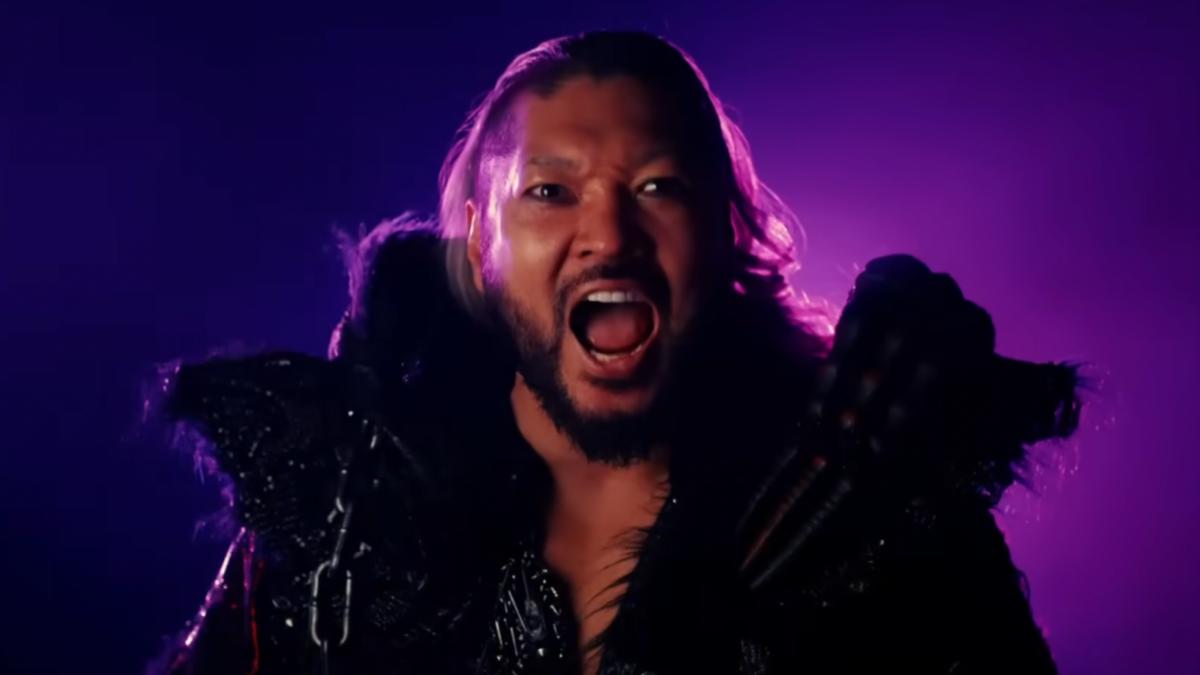
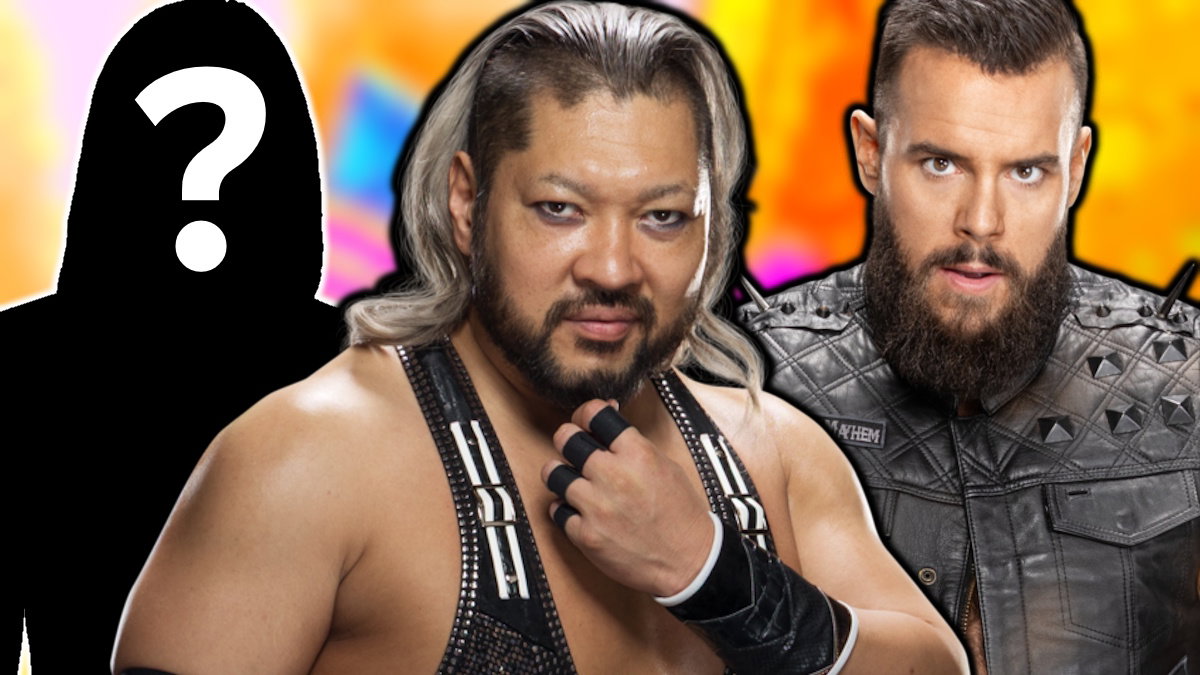
The NXT brand underwent a structural shift in April 2026. When EVIL arrived under the moniker Naraku, it signaled a shift in recruitment strategy. WWE management is clearly leaning into the notoriety of Japanese stars to bolster the NXT roster depth before the busy summer schedule.
Data from the last six weeks shows a sharp change in match pacing. Naraku brings a methodical, heel-heavy style that forces NXT openers into longer sequences. His time-per-match average sits at 14.5 minutes, significantly higher than the brand average of 10.2.
The NJPW bridge
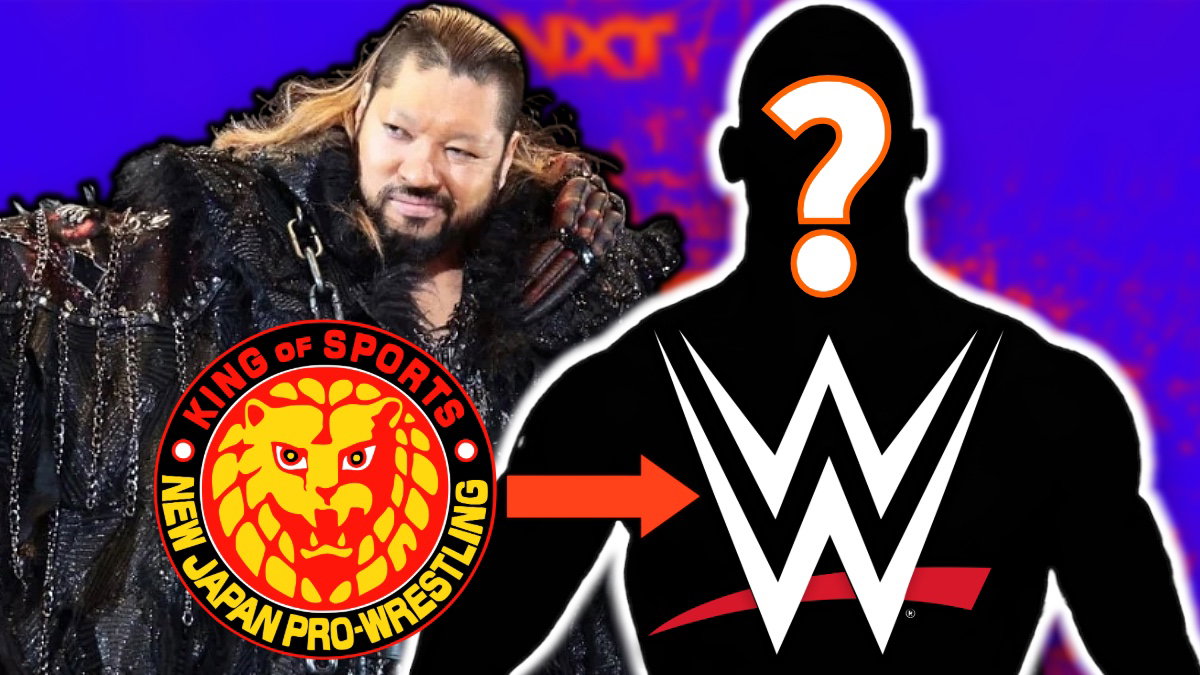
Signing talent from Japan has become a consistent trend. As noted in recent reports on NJPW poaching, the internal push to secure seven additional performers is deliberate. It aims to offset the reliance on home-grown developmental prospects who lack global name recognition.
However, the execution feels uneven. Naraku has struggled to adapt his signature chair-shot-heavy repertoire to the more restrictive TV PG format. During his bout on May 19, he missed two major interference spots, forcing his opponent to improvise a desperation roll-up finish at the 18-minute mark to keep the match fluid.
Predicting the summer shakeup
The influx of these seven new stars creates a logistical problem for NXT. The roster is currently overcrowded with thirty-two active competitors vying for screen time. Booking seven additional high-tier performers forces the creative team to cut segments for original prospects who spent months building momentum in the Performance Center.
My prediction: Three of these new signings will be relegated to house show circuits by August. One will find a mid-card title push, and the rest will hover in the lower-mid card, struggling to distinguish their personalities from more established NXT homegrown talent. This is a volume play at the expense of roster stability.
The management strategy here ignores the necessity of character development. You cannot simply import a high-level NJPW move set and expect it to generate heat without a localized narrative hook. Without a refined transition process, the Naraku experiment will likely be remembered as a high-cost payroll expansion that yielded minimal growth in viewer retention.
The front office is prioritizing international star power over internal consistency. This will lead to a messy summer where technical quality fluctuates wildly. Expect crowd reactions to remain lukewarm for the newer arrivals until the writers finally abandon the generic 'invader' trope.