The constraints of corporate character development
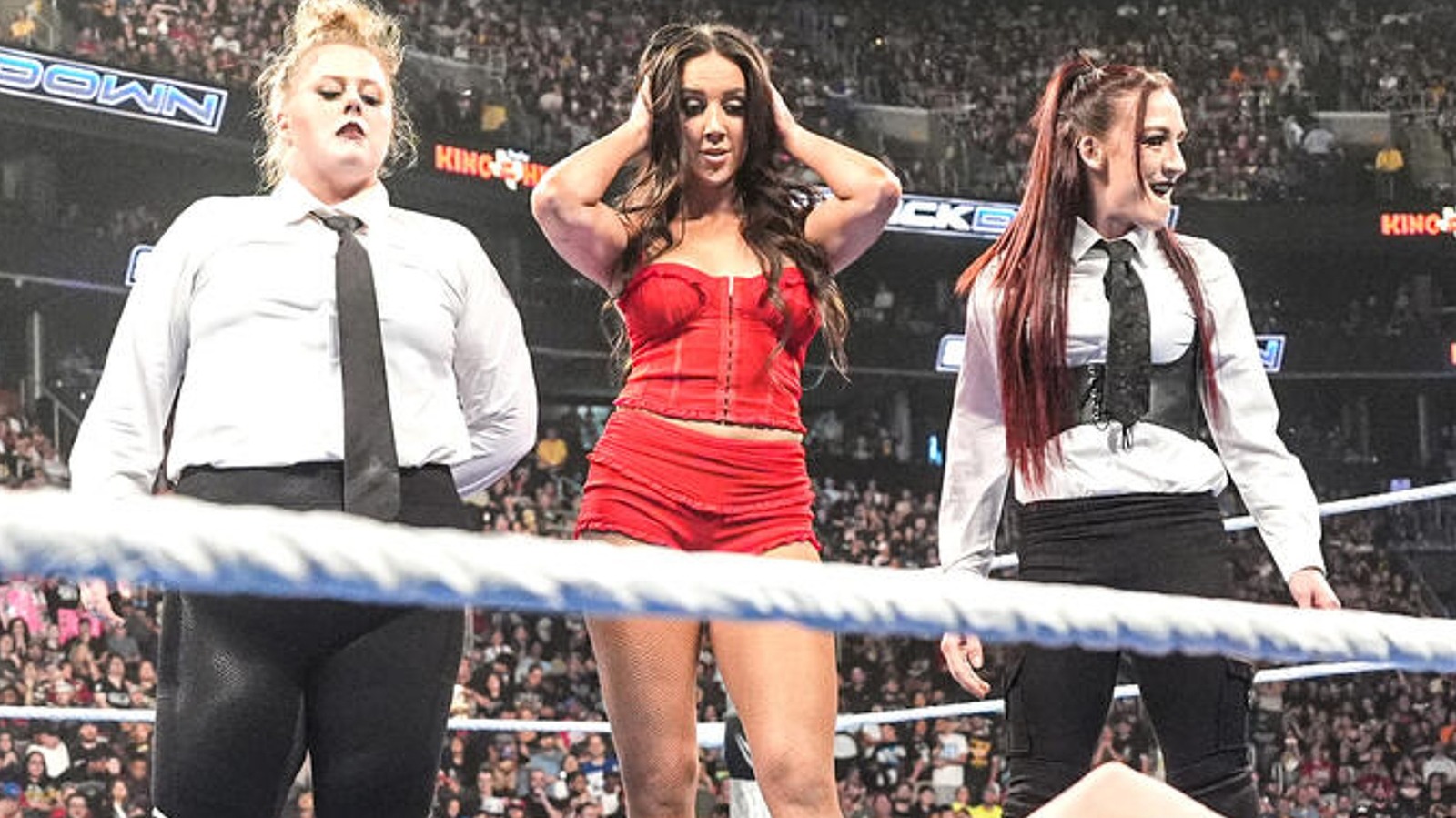
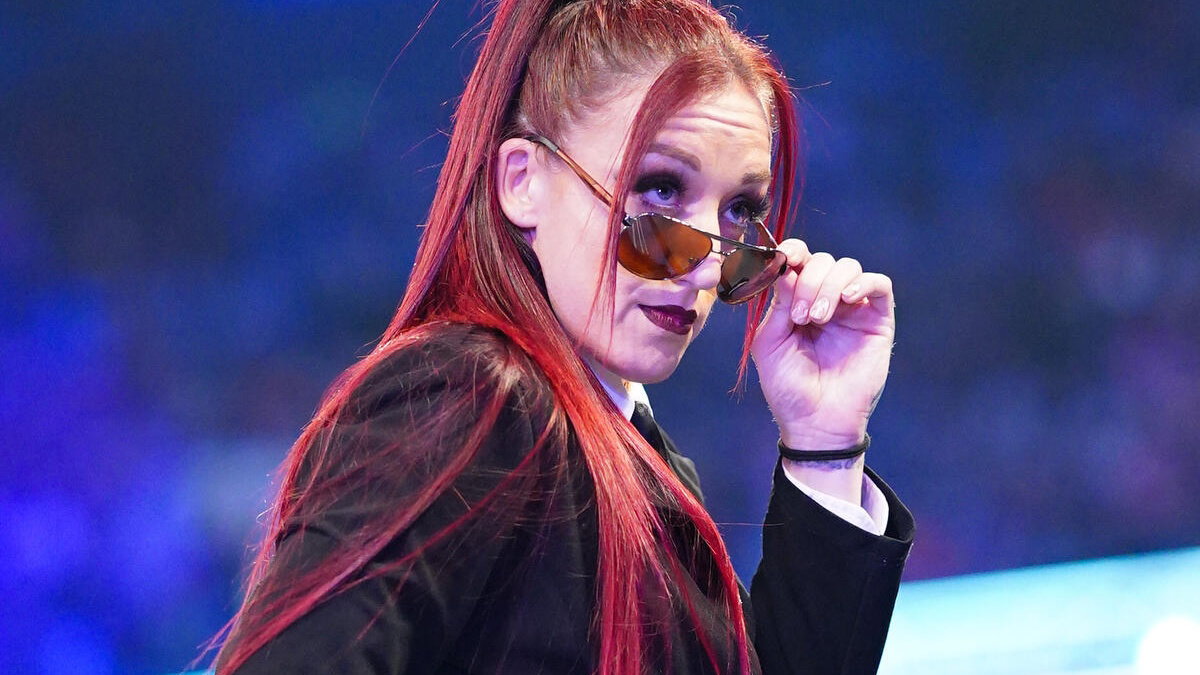
The recent departure of Kay Lee Ray from WWE is not merely a personnel change—it is a study in how rigid creative oversight can stifle professional evolution. When KLR transitioned to the stateside brand, the company insisted on rebranding her as Alba Fyre, a moniker that arrived with a mandatory set of aesthetic and tonal expectations. Talent often find themselves fighting internal battle lines over their own on-screen personas.
We now understand that Fyre herself pushed back against certain creative directions during her tenure. According to reports from WrestleTalk, attempts to suggest nuanced character shifts were greeted with institutional skepticism. Management wanted a stereotypical badass, leaving little room for the layered, technical in-ring storytelling that defined her run on the independent circuit.
The missed opportunity in matching talent to execution
The failure here was not one of in-ring capability. Fyre’s transition to the main roster could have served as a case study for integrating high-level work-rate performers into scripted programming. Instead, the company opted for a truncated, high-energy presentation that stripped away the subtle psychological elements of her matches. We saw flashes of her technical ceiling, specifically in the 2022 NXT run, but the polish was largely missing as the character became increasingly two-dimensional.
Booking departments often make the mistake of prioritizing the archetype over the individual. They wanted a pyromaniac character, so they invested in elaborate stage effects while the actual personality work stalled. When you analyze her win-loss record against the amount of screen time designated for character vignettes, you see a massive output gap. High engagement figures during her early NXT period were never truly capitalized upon by the creative team.
Why this matters for your viewing experience
Watching Fyre leave, one cannot ignore the broader pattern of how talent is managed through the rapid build strategies often favored by production. The company prioritizes momentum over consistency. When performers have no input on their own presentation, the matches inevitably suffer from a lack of genuine stakes. A performer who isn't invested in their identity rarely produces work that resonates with an audience long-term.
The loss of a technical specialist like KLR leaves a vacuum in the women’s division. We are left with a thin roster of workers who can execute spots, but very few who can build a narrative through simple movement and positioning. Her exit signals that the top-down creative approach is not slowing down. While management might see this as a simple rotation of roster bodies, the viewers are being deprived of the sophisticated matches that occur when wrestlers possess autonomy.
I expect the next six months to reveal a decline in match quality for the women’s mid-card. Without leaders who understand timing and pacing, the product becomes a series of disjointed high spots. Fyre understood how to work a camera angle and a crowd in equal measure. Finding a replacement with that specific 12-year veteran intuition is going to take much longer than the front office seems to realize.