The velocity of the modern ring
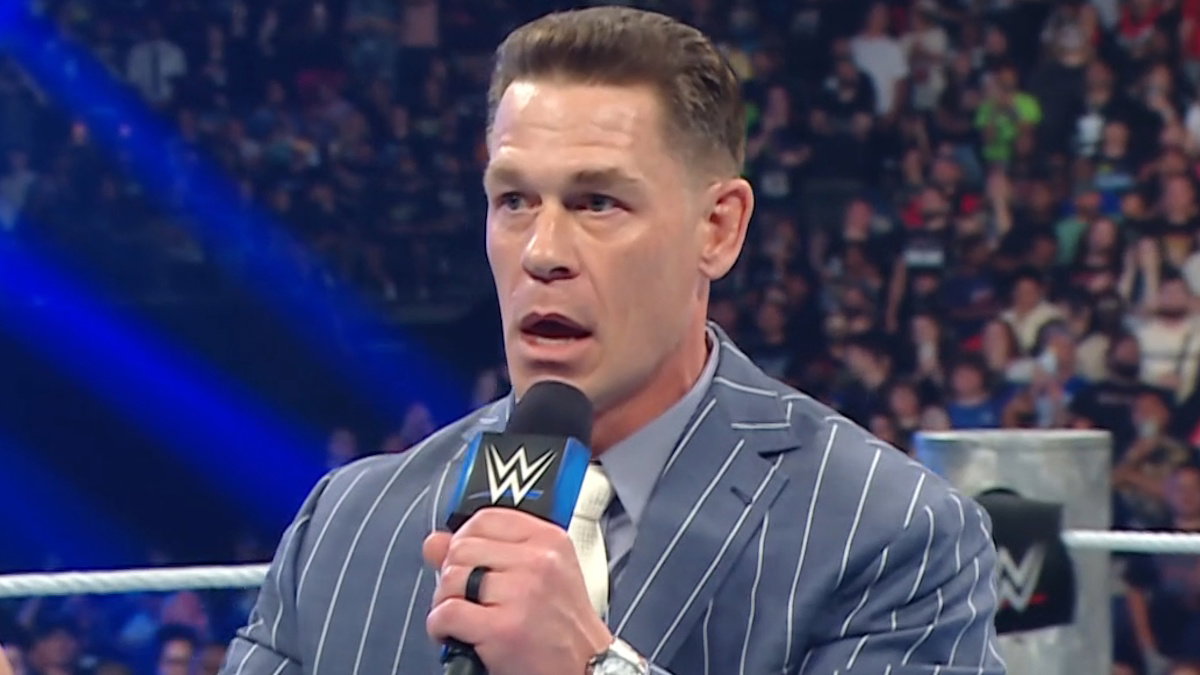
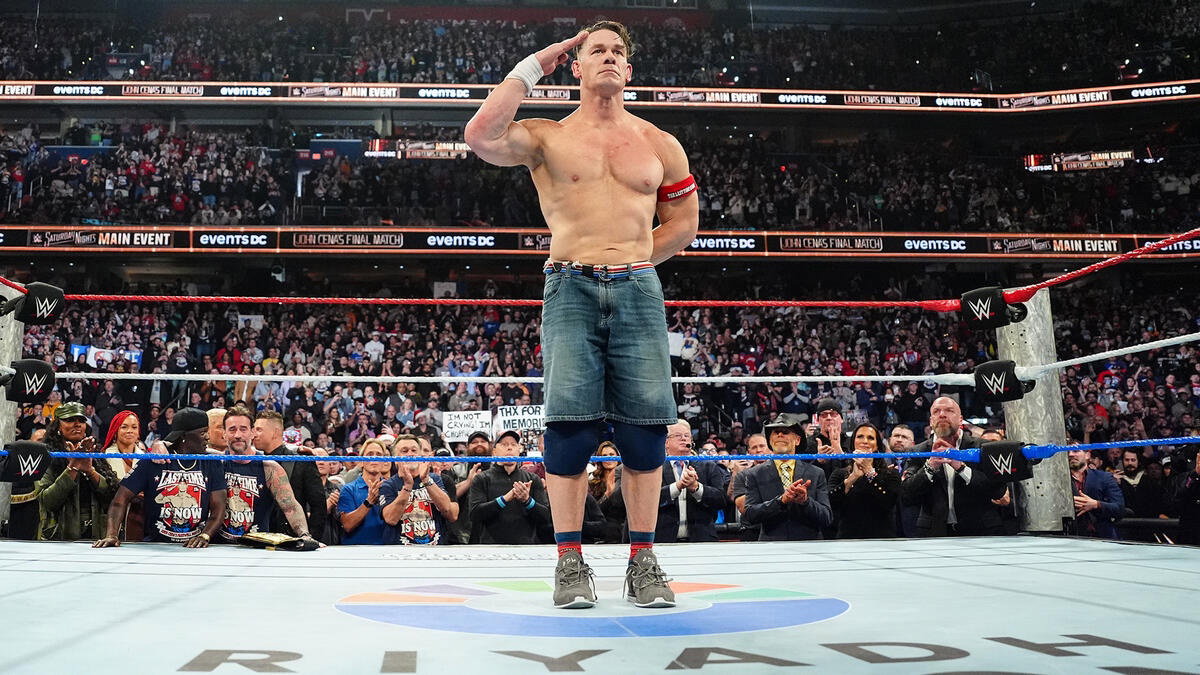
John Cena is forty-nine years old, and he just said the quiet part out loud. The modern WWE ring is moving too fast for him.
You rarely hear a generational draw admit that the physical reality of the sport has left them behind. Usually, the aging veteran grips the ropes a little tighter, relies on familiar catchphrases, and forces the younger opponent to slow down the match to a crawl. We have all suffered through those main events. The veteran gets blown up after five minutes, and the rising star has to bump for basic clotheslines just to keep the illusion alive.
Cena acknowledging his physical limitations is refreshing. Consider the sheer velocity of a standard television match in 2026. Transitions that used to take ten seconds now happen in two. The standard counter to a wrist-lock is no longer a simple reversal; it is a high-speed sequence of arm-drags, kip-ups, and feints that require flawless timing.
Cena, for all his undeniable charisma, was never a fluid technical wrestler. He was a powerhouse who relied on sheer strength and crowd manipulation. When he tries to execute a rapid-fire sequence against a twenty-something opponent today, the visible lag is painful. The opponent has to pause, wait for Cena to hit his mark, and then launch into the next sequence. It breaks the immersion entirely.
The all-star pitch and the mid-card lifeboat
So, what does a megastar do when his body can no longer cash the checks his reputation writes? He pivots to administration. Enter the John Cena Classic.
Cena is pitching this new concept as a version of an all-star game for WWE. He recently stated that in a business where everyone assumes every story has already been told, he wants to swing for something new.
On paper, the concept is incredibly appealing. WWE has historically struggled to create a true all-star atmosphere outside of the Royal Rumble, which is ultimately a gimmick match rather than a showcase of pure wrestling technique. A dedicated tournament—presumably pulling the absolute best workers from Raw, SmackDown, and NXT—could act as a genuine workrate exhibition.
The concept of an all-star game in professional wrestling is inherently tricky. Traditional sports use all-star games as exhibitions where defense is optional and players just try to hit home runs or sink half-court shots. In wrestling, an exhibition match usually means a meaningless spot-fest with zero narrative stakes.
If Cena truly wants this to succeed, he has to mandate consequences. A true wrestling all-star game shouldn't be a relaxed exhibition; it should be a brutal stress test. Imagine a scenario where the champions from every brand are forced into a gauntlet against the top-ranked contenders, with actual title shots on the line. That is how you create urgency. That is how you avoid the trap of a meaningless television segment.
We already know the locker room is buying in. Blake Monroe is actively campaigning for a spot in the bracket while WWE is still working out the logistical details.
Monroe is exactly the type of talent who usually gets lost in the shuffle during the post-WrestleMania lull. The draft is over, the major storylines are locked in for the summer, and the mid-card acts are left fighting over three-minute matches before commercial breaks. For Monroe, the John Cena Classic is a lifeboat. It is a guaranteed narrative arc.
If the tournament is structured properly, it gives workers like Monroe a chance to go out and have a twenty-minute physical sprint of a match without needing a convoluted backstage storyline to justify it. It is an opportunity to get over purely on workrate, which is something WWE historically struggles to facilitate.
The glaring irony of the old guard
But we have to look at this critically. There are major red flags with this entire project.
There is a glaring irony in Cena championing a new platform for talent while simultaneously defending the company against criticism regarding its aging roster. When pressed about the dominance of older stars at the top of the card, Cena pushed back. He defended the established hierarchy.
You cannot have it both ways. You cannot claim to be building a revolutionary new platform for the locker room while defending a booking philosophy that actively suppresses them. If you think the main event scene is fine as it is, then what exactly is the point of this new tournament?
Naming the tournament the John Cena Classic is also a massive ego stroke. The Dusty Rhodes Tag Team Classic worked because Dusty was a beloved mentor who had passed away. Naming an active, ongoing tournament after a guy who is still technically on the roster—even if he admits he has lost a step—feels remarkably heavy-handed.
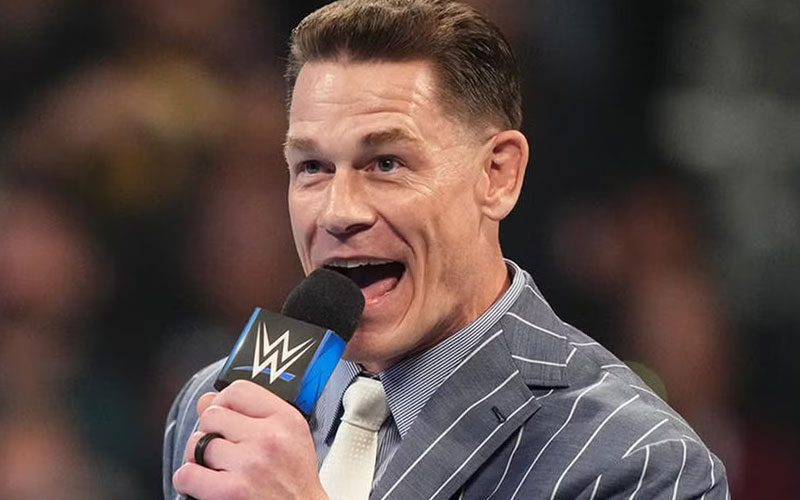
It immediately frames the competitors as subordinates fighting for Cena's approval, rather than athletes fighting for a title. If this tournament just becomes a vehicle for Cena to walk out in a tailored suit, cut a ten-minute promo, and raise the winner's hand, it is a complete waste of broadcast resources. WWE does not need another nostalgia act eating up segment time.
The personal cost of the mountain
The reality of Cena's situation is stark. The man has given everything to the industry, and it has clearly taken a massive personal toll. Nikki Bella recently spoke about the end of their relationship, stating bluntly that staying with Cena would have led to a lonely and sad life.
That is a brutal assessment from someone who shared his life during his absolute peak. It strips away the superhero marketing and reveals the obsessive nature required to maintain that spot on the card for two decades. Wrestling is a jealous mistress. It demands your weekends, your joints, and your personal relationships.
Cena is desperately trying to invent a new role for himself because he does not know how to exist outside of the wrestling environment. The John Cena Classic is his attempt to build a bridge between his past and the company's future, ensuring he remains a fixture on television even if he isn't lacing up his boots.
The verdict
If WWE actually commits to the all-star game format, it needs rigid structure. It cannot just be an eight-man single-elimination bracket thrown together on random episodes of SmackDown to pop a quarterly rating.
They need to treat it like a genuine sporting event. Use a round-robin format. Implement a strict points system. Force inter-brand matchups that we have not seen on pay-per-view. Make the prize something tangible, like a guaranteed main event spot at SummerSlam, rather than just a plastic trophy to sit on a mantle.
My prediction? WWE will greenlight the tournament, but they will water down the concept before the first bell rings.
They will fill the bracket with safe, established names rather than taking a risk on the Blake Monroes of the roster. Cena will feature heavily on commentary, distracting from the in-ring action, and the finals will likely end in interference to set up a standard pay-per-view grudge match.
I want to be wrong. I want Cena to swing for the fences and deliver a tournament that forces the entire roster to step up. But track records matter in this business. Until I see the brackets, I remain heavily skeptical that this will be anything more than a corporate branding exercise for a legend who cannot quite figure out how to walk away.