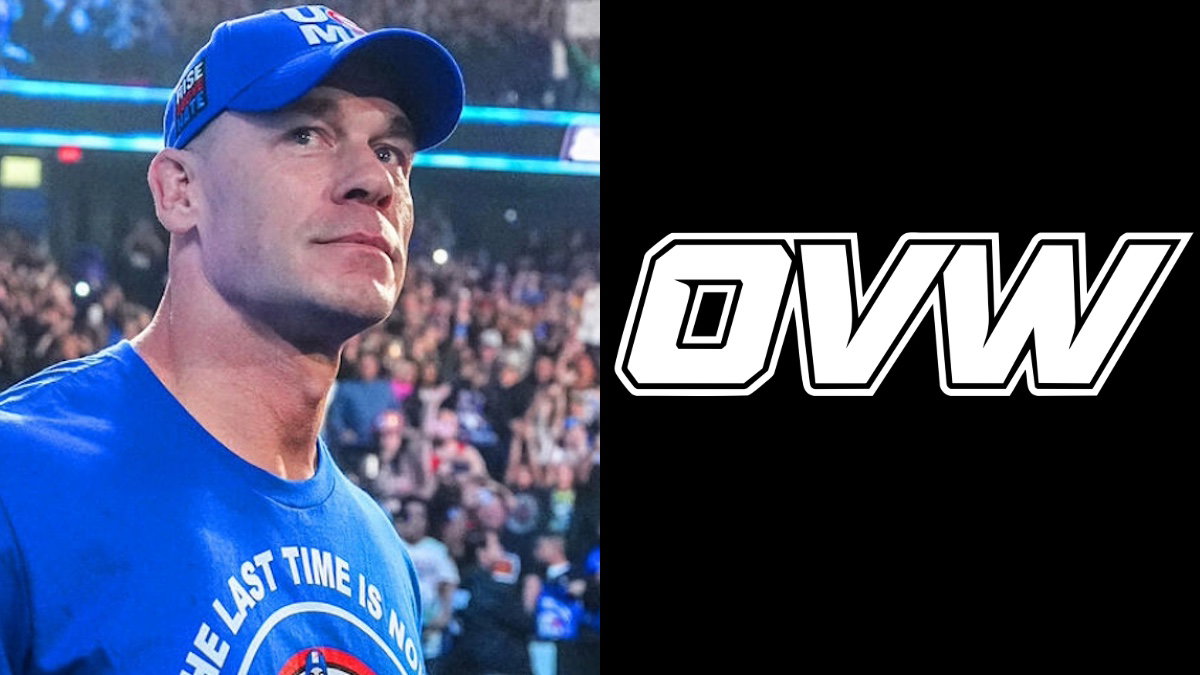
John Cena’s tournament is a gamble on the sport’s future
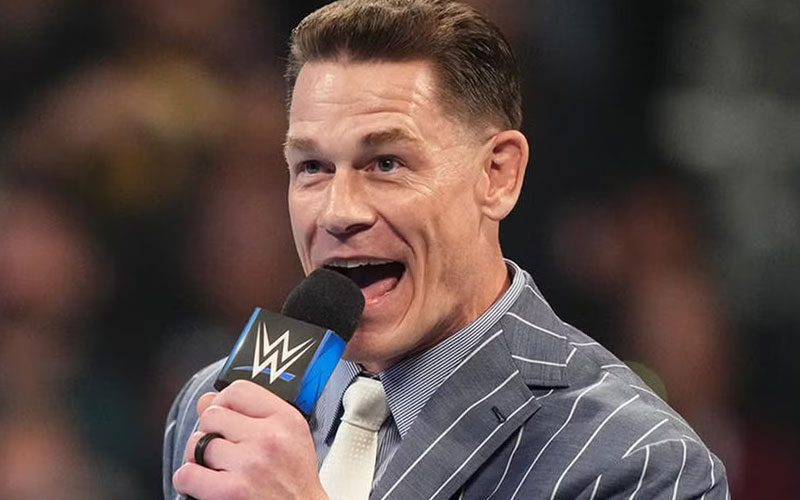
Building a platform beneath the shadow of the man
Professional wrestling is obsessed with its own history, yet it rarely manages to codify that history for the next generation. John Cena’s recent initiative, the John Cena Classic, moves beyond mere nostalgia. By creating a bracket-based tournament, he is attempting to establish a meritocratic framework for talent acquisition that strips away the reliance on pre-existing television personas.
The concept mirrors the technical discipline often seen in European independent circuits, emphasizing in-ring output over entrance music. Cena has frequently noted that his motivation stems from a desire to provide opportunities that were not standard during his own developmental stretch. As outlined in his recent comments, the objective is to highlight work rate as a primary currency. If successful, this changes the roster recruitment dynamic entirely.
The strategic risk of technical purity
There is a glaring flaw in this approach. By prioritizing pure in-ring competition, the tournament risks alienating the casual audience that thrives on character development and story-driven feuds. A 20-minute technical masterpiece is objectively impressive, but it does not drive ratings if the viewer has no emotional stake in the two participants involved.
History shows that tournaments without strong narrative stakes often suffer from diminishing returns after the second round. If the matches become a collection of high-impact maneuvers performed sequentially without a cohesive thread, the product becomes an athletic exhibition rather than a compelling drama. Wrestling succeeds when the audience identifies with the human struggle, not just the technical variation of a suplex.
Separating the athlete from the performer
Cena’s intent appears to be a direct response to the criticism that modern television wrestling has become too cluttered with non-wrestling segments. By isolating the athletic component, he hopes to reset the standard. The data, however, suggests a more complex reality. High-intensity, high-spot events often see dips in retention metrics unless they are anchored by a high-stakes championship finale.
We have seen this pattern before. Promoters lean into work rate during lulls in mainstream popularity, attempting to capture the hardcore demographic. While this strategy builds a loyal segment of the fanbase, it rarely translates to the massive growth that defines a successful expansion period. The John Cena Classic will likely produce excellent optics but may struggle to convert that excellence into long-term commercial dominance.
The missing emotional anchor
Ultimately, the burden falls on how these matches are presented on screen. Wrestling is not high-concept art; it is a collaborative effort between the performer and the fan. If the tournament remains a cold, calculated exercise in athletic demonstration, it will remain a side dish to the main narrative programming.
To truly matter, the tournament needs a secondary layer of conflict. It requires the high-stakes pressure of a £170 million equivalent windfall or an immediate, iron-clad title opportunity. Without that, it is merely a highlight reel masquerading as a competition. Cena knows the value of a main event draw, and his next step must be ensuring that these competitors provide something worth cheering for beyond the 15-minute mark of a broadcast.
The execution of this vision will define the success of the project. If the talent can marry their technical proficiency with authentic character work, this bracket could become a defining feature of the calendar. If it fails, it will be remembered as nothing more than a vanity project that lost its focus on what keeps the audience coming back every week.
Read Next
- WWE is gutting the NXT roster again and it might actually work this time
- Why GUNTHER is the only wrestler who actually treats his job like a sport
- Gunther thinks we should boo him for retiring Cena and the internet is not having it
- Gunther’s heat is pure tactics, and the locker room is struggling to adapt
- 🏆 WrestleMania 41 — Full Coverage Hub
- 👴 John Cena Retirement Tour 2026
TMNT x WWE Superstars Leonardo as John Cena Figure
The ultimate crossover mashup for fans of the 90s and modern wrestling.
More Coverage

John Cena is just trolling us now at Fanatics Fest
4 hours ago
Top 10: Elite Wrestling Moments of the Modern Era
5 hours ago
CM Punk is still talking about 2011 and honestly I am tired
6 hours ago
WWE's momentum problem with Tiffany Stratton
8 hours agoWWE keeps running the same loops and it creates a viewership ceiling
11 hours ago
John Cena’s final WWE run is the story of the summer
15 hours agoMore Analysis
John Cena is dangerously misreading the room on his vanity tournament
1 month ago
John Cena’s classic tournament faces a reality check before it even begins
1 month ago
John Cena's final pivot is a massive ego stroke masquerading as a revolution
2 months ago
John Cena is right about WWE’s pacing problem
3 weeks, 2 days ago
WWE thinks the John Cena Classic is a legacy play but it feels like a booking trap
2 months ago