The Anatomy of a Post-Retirement Pivot
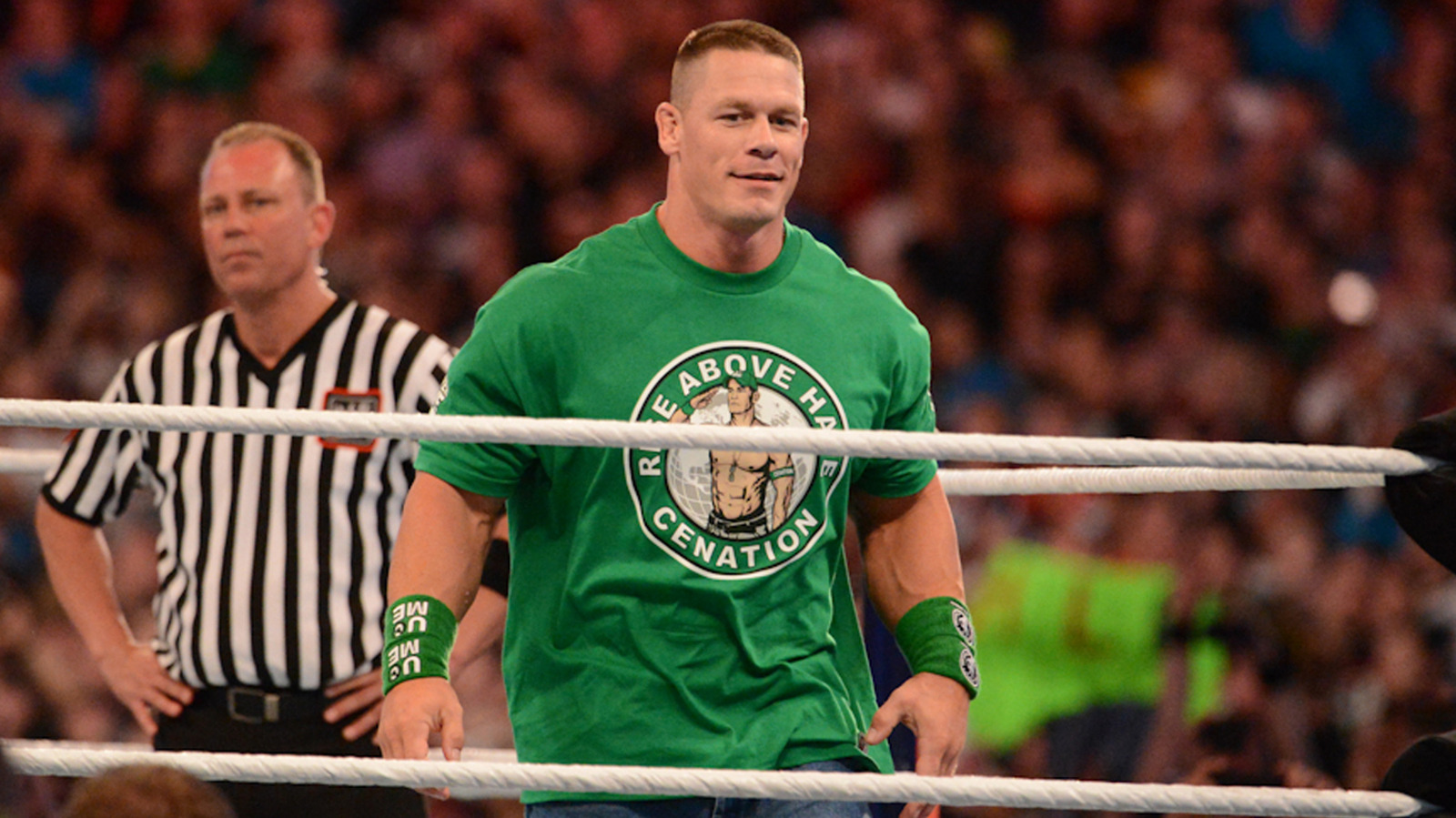
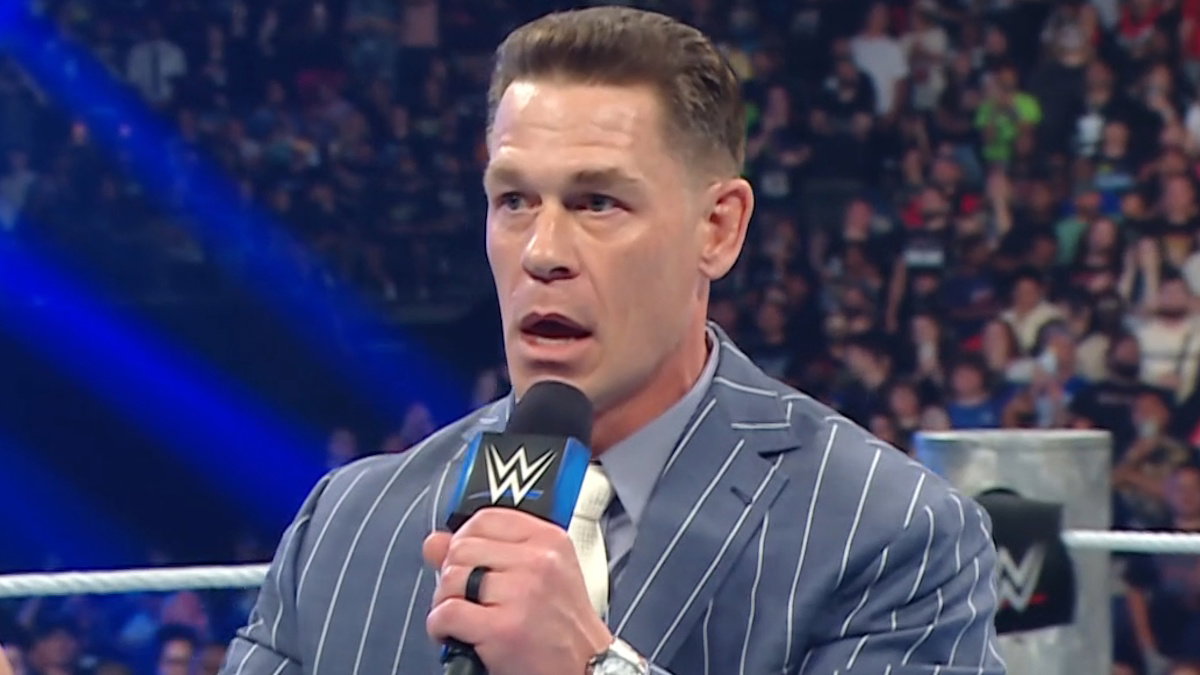
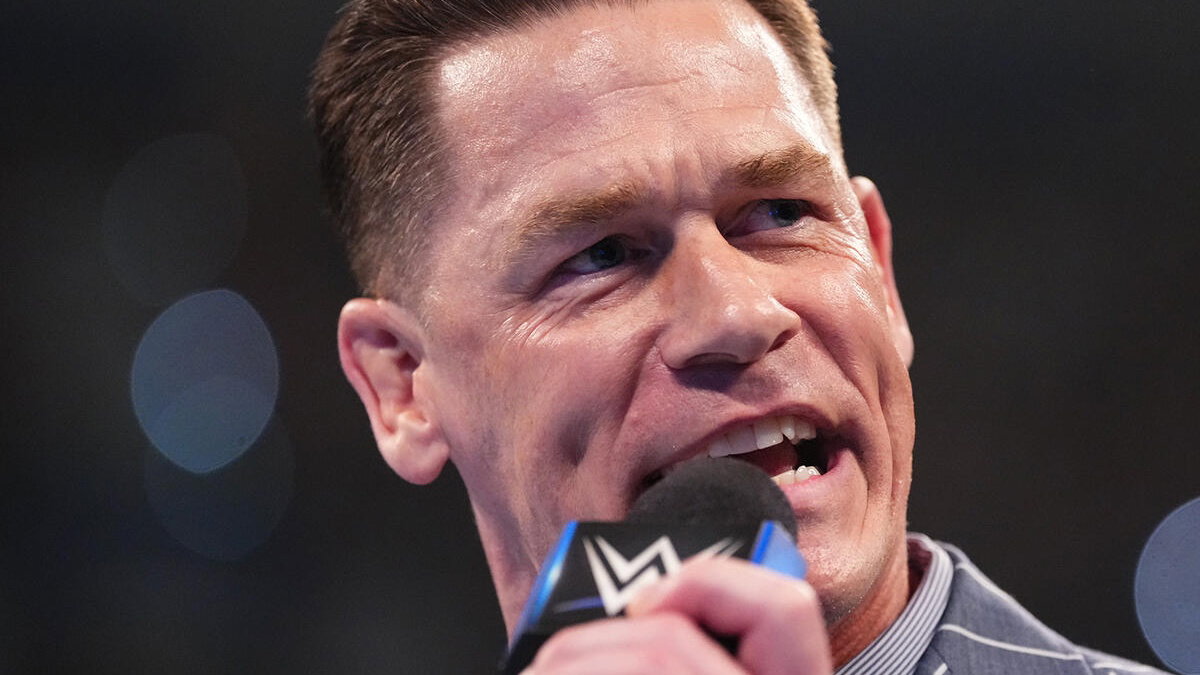
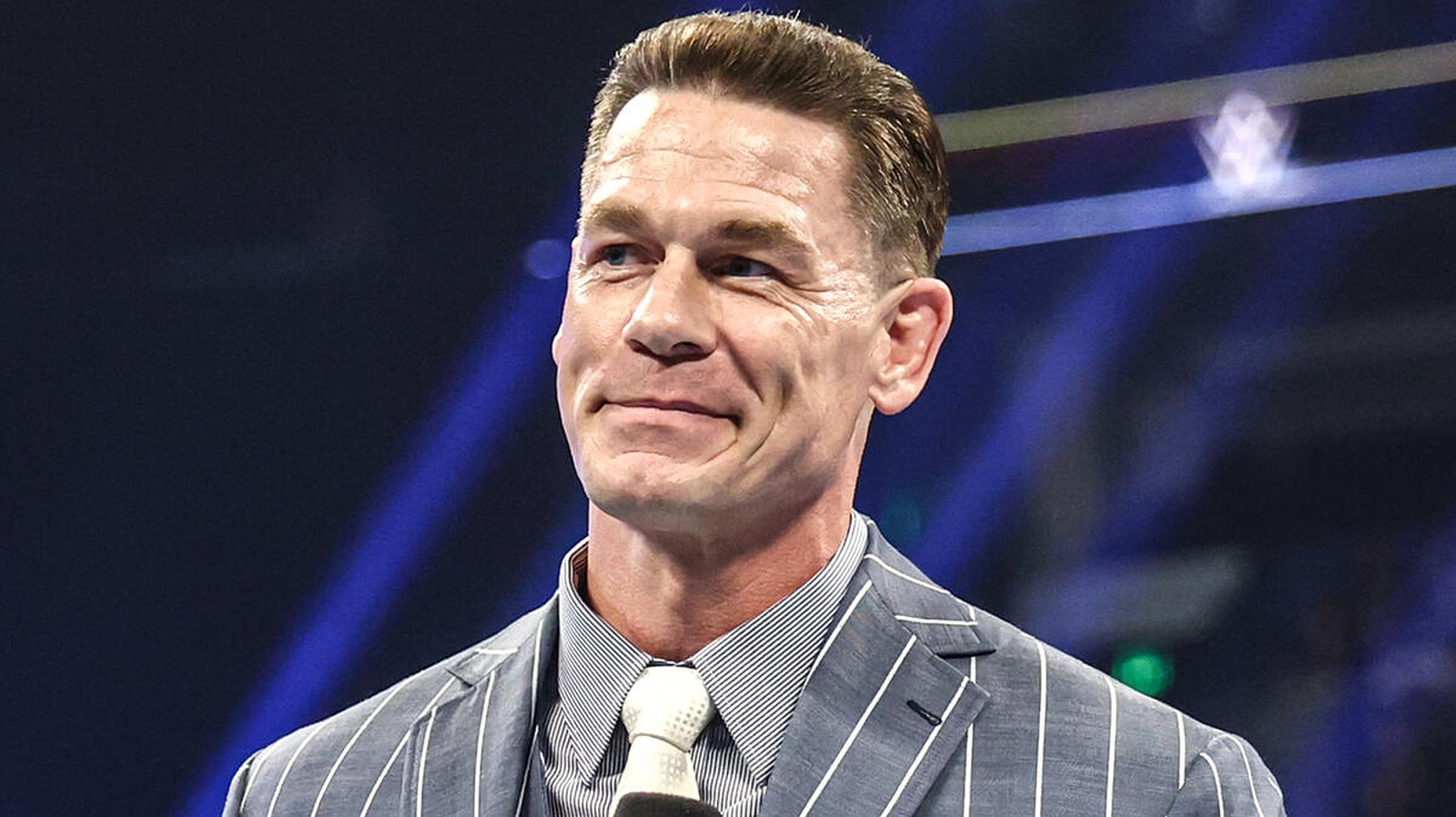
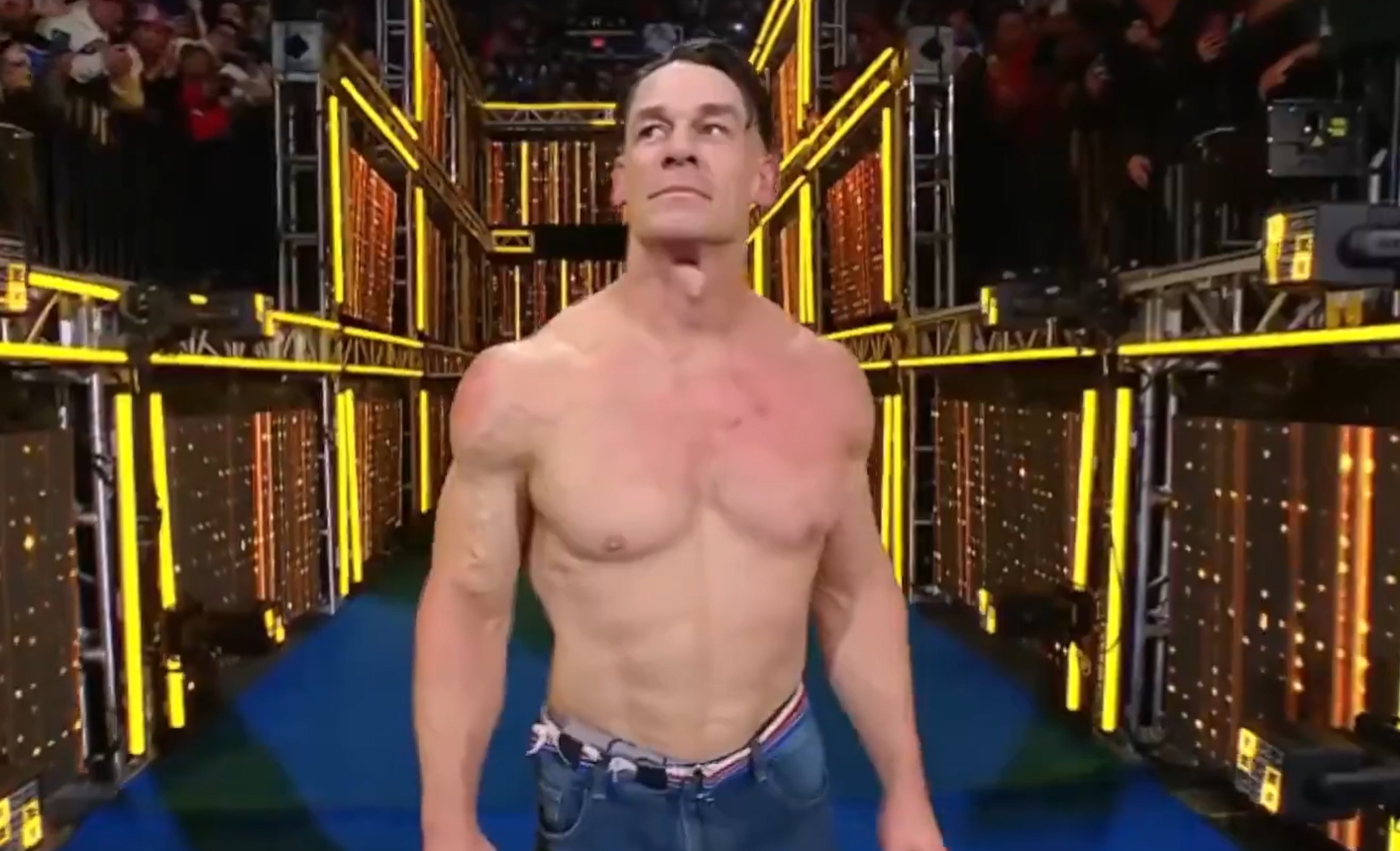
John Cena left his boots in the ring at Allegiant Stadium exactly 31 days ago. WrestleMania 41 Night 1 delivered the promised farewell, closing the book on the most dominant run in modern professional wrestling. But WWE does not let intellectual property sit idle.
The murmurs of a 'John Cena Classic' are already circulating following reports of a targeted timeline for the event. For a company historically obsessed with branding and legacy maintenance, naming a tournament after its defining modern star is a mathematical inevitability. The only real questions are when it happens, and whether WWE can actually execute a bracket format properly.
Tournaments in modern WWE are a notoriously mixed bag. The Cruiserweight Classic remains the gold standard, presenting focused, stylistic clashes that felt entirely distinct from the main roster product. But recent main roster efforts have often felt like disorganized filler.
King of the Ring brackets are frequently rushed through three-minute television matches interrupted by commercial breaks. If the John Cena Classic is going to mean anything, it cannot be squeezed into the margins of Monday Night Raw.
Timing the Market
The target timeline is the most delicate variable for the booking committee. WWE's calendar is already congested with premium live events and the looming build toward SummerSlam. Dropping a multi-week tournament into the middle of the summer schedule is a surefire way to suffocate it.
The smartest window opens in the fall. The gap between SummerSlam and Survivor Series is traditionally a creative dead zone for WWE. It is the period where feuds tread water and television ratings soften.
Placing the tournament in October, with the finals culminating at Survivor Series, creates structural symmetry. Survivor Series 2002 is widely recognized as the launchpad for Cena's ruthless aggression era persona. Having the inaugural classic conclude on that exact stage adds historical weight without requiring heavy-handed exposition.
More importantly, an autumn timeline gives the writers time to properly isolate the competitors. You cannot just throw random midcarders into a bracket and expect the audience to care. The selection process needs to feel rigorous.
The Tactical Demands of a Tribute
If you are going to put Cena's name on a tournament, the in-ring style needs to reflect his specific psychology. Cena was never a technical savant. He was a master of pacing, structural escalation, and the delayed babyface comeback.
Modern wrestling is overly reliant on high-speed sequences and immediate gratification. A tournament honoring Cena should prioritize ring positioning and dramatic tension. It requires wrestlers who understand how to take a sustained beating and time their explosive offense for maximum crowd reaction.
Think about his 60-minute classic with Shawn Michaels in London. That match was a masterclass in shifting gears and managing endurance. His trilogy with AJ Styles relied on a fascinating contrast of approaches, where pure power constantly interrupted fluid combinations.
The participants in this bracket must be capable of telling that precise story. It is not about stringing together independent wrestling sequences. It is about working the holds, selling exhaustion, and making the finish feel earned.
The Formatting Trap
This brings us to the most glaring flaw in WWE's current tournament structure. Television pacing actively works against long-form storytelling. You cannot build a prestige tournament if the matches are constantly compromised by the broadcasting format.
In a standard weekly television match, the action is inevitably structured around commercial breaks. We all know the rhythm. A dive to the outside, a hard cut to black, and we return to a chin-lock. That rhythm kills the organic build of a competitive athletic contest.
If the John Cena Classic is integrated into weekly television without adjustments, it will suffer the same fate as the Queen's Crown tournament. Those matches routinely clocked in under five minutes. They were treated as narrative obligations rather than genuine competitions.
To avoid this, WWE should consider dedicating specific, uninterrupted commercial-free blocks to these matches. Replicating the undisturbed environment of their network-era specials is essential for establishing prestige.
The Ideal Field of Competitors
Building the bracket requires absolute precision. You cannot simply pull sixteen names from the catering line and expect fans to invest emotionally. The field needs to reflect a blend of established veterans seeking a career renaissance and younger talent needing a spotlight.
Consider someone like Chad Gable. He possesses the amateur pedigree and the cardiovascular engine to wrestle a twenty-minute technical clinic. Putting him in this environment allows him to strip away the comedic elements of his character and focus purely on endurance.
On the opposite end of the spectrum, introducing a heavyweight brawler into the mix creates necessary stylistic friction. A competitor like Bronson Reed changes the geometry of the ring. Forcing a smaller, more agile wrestler to figure out how to chop down a tree is a classic trope we saw throughout the 2010s.
Cena spent a decade fighting from underneath against monsters like Umaga and The Great Khali. The tournament must recreate that dynamic. You need powerhouses to serve as the ultimate roadblocks in the later rounds.
The Broadcast Strategy
How the tournament is called is just as vital as how it is wrestled. The commentary desk cannot rely on their standard collection of catchphrases. They need to treat this like a legitimate sporting endeavor.
When a wrestler targets a body part, the announcers must explain the strategy. They need to connect the in-ring action to the broader stakes of advancing. If a competitor survived a grueling battle in the previous round, the commentary needs to highlight their fatigue.
Selling exhaustion is a lost art on weekly television. The audience needs to feel the cumulative toll of advancing through a bracket. If a wrestler enters the semi-finals without a noticeable limp or heavily taped ribs, the entire illusion breaks down entirely.
The Booking Mistakes to Avoid
There is a dangerous temptation to book the tournament exactly how Cena was booked during his polarizing peak. WWE cannot afford to have the eventual winner overcome absurd odds in every single round.
We do not need to see the tournament favorite taking three finishers, kicking out at two, and winning with a single shoulder block. That psychology worked previously because of a highly specific connection with the crowd. It will actively harm anyone else trying to get over in 2026.
The matches need to be highly competitive. Upsets need to be factored into the bracket immediately. If the audience can predict the entire path to the finals on night one, the tournament loses its utility as a television draw.
Implementing a strict 15-minute time limit for early rounds might actually benefit the drama. It forces urgency. It creates the very real threat of a time-limit draw, adding a layer of tactical desperation to the final three minutes of a bout.
Looking Ahead
As we move through late May, the road to SummerSlam will begin to dominate the weekly narratives. Cody Rhodes is busy navigating his title reign. The Bloodline saga continues to dictate the emotional core of SmackDown.
This new tournament should not try to compete with those main event programs. It should exist parallel to them, providing a distinct alternative for viewers who prefer in-ring psychology over heavy soap opera elements.
It is an opportunity to experiment with talent who are currently sidelined. It is a chance to test chemistry between workers who rarely cross paths. It is, fundamentally, a booking cheat code if utilized correctly by the creative team.
The Verdict
We are looking at a late September launch. WWE will announce the bracket shortly after their late summer premium live events. They will use the September and October television tapings to progress through the early rounds.
The finals will take place at Survivor Series in November. It is the cleanest, most logical timeline. It avoids the chaos of the summer schedule and provides a much-needed anchor for the fall programming block.
But the real prediction is harsher. WWE will struggle to resist their worst impulses by rushing the first round to fit in promo segments. They will also likely book a screwy finish in the semi-finals to protect an established star. The concept is bulletproof, but the execution will undoubtedly feature the usual frustrating compromises.
If they can simply stay out of their own way, let the matches breathe, and treat the concept with the respect the name demands, it could be the most compelling television they produce all autumn. But given their track record with television formats, that remains a very heavy lift.
Read Next
- John Cena is done wrestling but he isn't leaving WWE
- Cena walked away because the numbers finally stopped adding up
- John Cena is gone from the ring, but his real WWE work just started
- Why John Cena's physical breakdown forced a permanent corporate shift
- 🏆 WrestleMania 41 — Full Coverage Hub
- 👴 John Cena Retirement Tour 2026