The master of the final frame
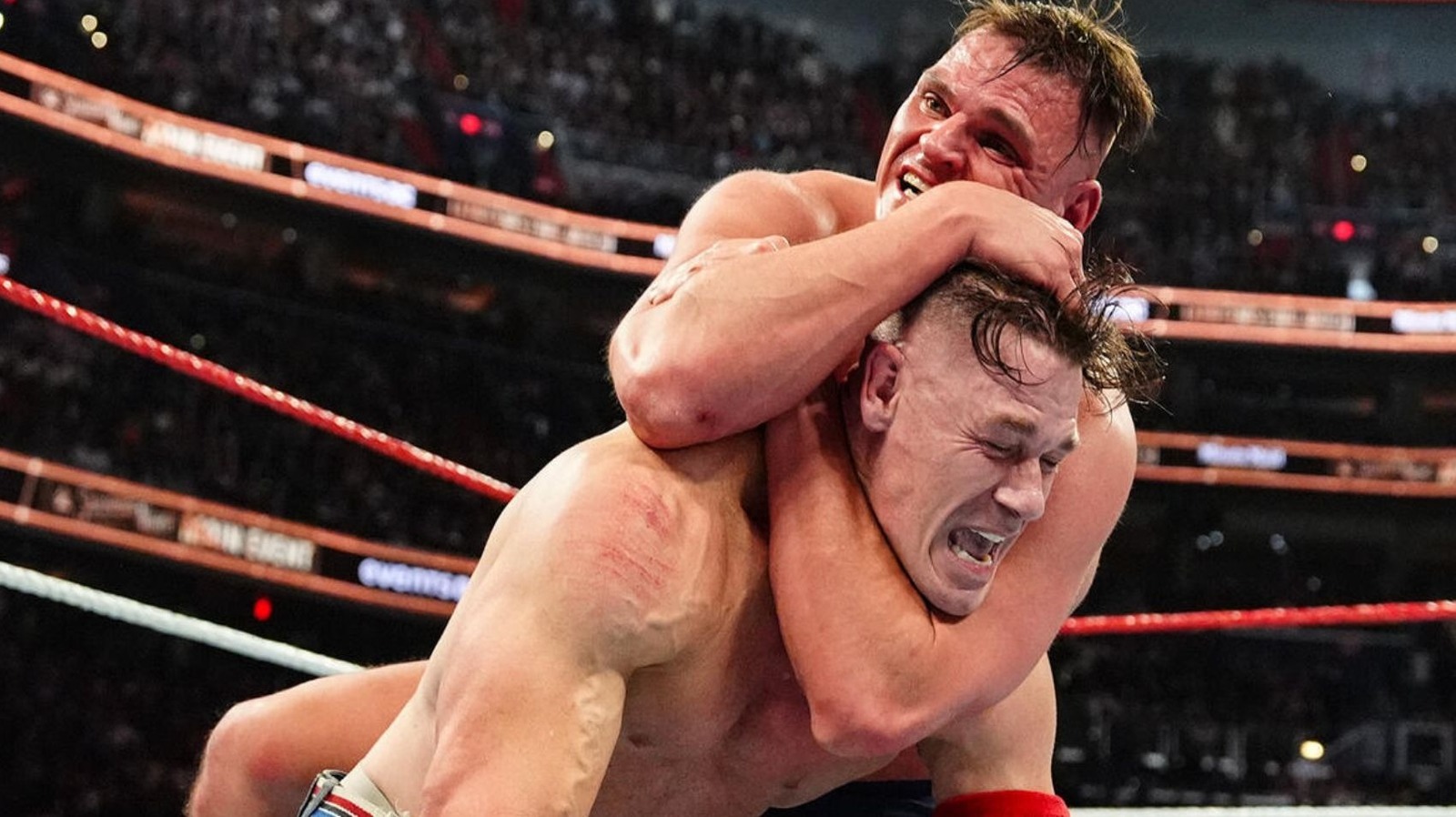
Listen, we have spent two decades debating whether John Cena was a hero, a villain, or a corporate mascot wearing vibrant jorts. But when he sat down recently and confirmed that the decision to tap out while grinning in his final match was his own stylistic choice, the argument finally settled.
It was a move of pure, arrogant genius that only someone who carried the company through the Ruthless Aggression era could pull off. If you think the smiling tap was a sign of weakness, you missed the entire point of the guy's career. He didn't lose his edge; he simply stopped caring about whether you liked him or not.
The evolution of a caricature
Remember when Cena was the guy who could never lose? We went from the mid-2000s era where he kicked out of everything to that final moments in the ring. The contrast is staggering. Back at WrestleMania 21 or when he faced Edge at Unforgiven 2006, the stakes were always about the belt or the prestige. In his last go-around, the stakes were just John.
He spent years being the golden boy, the guy who had to kiss babies and sign posters until his hand cramped up. That smile? That was the look of a man who realized the character was a prison he finally escaped. It reminded me of when Kurt Angle started leaning into the comedy stuff, realizing that being an Olympic gold medalist is great, but being the guy who wears tiny hats is immortality.
Why the tap mattered
Let’s look at the psychology. If he had gone out fighting, screaming at the referee, or looking like he was actually trying to claw his way out of the hold, it would have felt like the old Cena. It would have felt manufactured. By smiling, he signaled that he was in on the joke.
It’s the most meta send-off I’ve seen since Shawn Michaels retired after that jumping tombstone-into-the-face sequence. HBK wanted the story to conclude on his own terms and so did Cena. He chose to look at the lights with a smirk because his career isn't something he regrets, even the bad storylines.
The reality check
However, we shouldn't act like this erases the flaws of his run. Let’s not forget the darker days of his Super Cena phase where he squashed legitimate threats like Rusev at WrestleMania 31 or the lackluster feud with Nexus. Sometimes, that 'never give up' ethos felt like a script written by a committee, and it sucked the oxygen out of the room for plenty of rising stars who stood no chance.
But looking back, the man did his job. He carried the company on his back through the PG era while the rest of the world was moving toward internet streaming and social media. When I look at guys like Roman Reigns or Cody Rhodes, I see the lessons they took from watching that Cena blueprint. He taught them how to navigate the heat and when to finally let go of the steering wheel.
A final nod to the game
You have to respect the craft when someone decides their final image will be their choice, not the writer’s room. In an industry where booking decisions are often as baffling as a WWE script meeting at 3:00 AM, having that level of control is rare. It’s what legendary status actually looks like.
If you were expecting a dramatic, heroic exit, you were asking for the version of the guy you wanted to see, not the version that actually existed. That smirk said everything. He knew he was the biggest player in the room, he knew he was walking out on top, and he knew he didn't need to put on a sad face just to make us feel better about his absence.
It wasn't a defeat. It was an exit interview performed with the only facial expression that mattered: the one that belongs to a guy who knows he won the game. After all the years of the neon shirts and the 'you can't see me' hand waves, it was refreshing to see the real guy shine through for one last frame.
He walked away with his head high and his ego satisfied. Honestly, if I were the face of the biggest wrestling brand in history for 20 years, I would probably be grinning while eating a sandwich, let alone tapping out to a finisher.
Read Next
- John Cena's final exit: Why the smile mattered more than the loss
- Rhea Ripley is the missing piece of a chaotic women's division
- The 10 Most Defining WWE Moments of the Current Era
- Hulk Hogan's death left a complicated legacy that WWE still cannot navigate
- 🏆 WrestleMania 41 — Full Coverage Hub
- 👴 John Cena Retirement Tour 2026