The shadow of Max Dupri
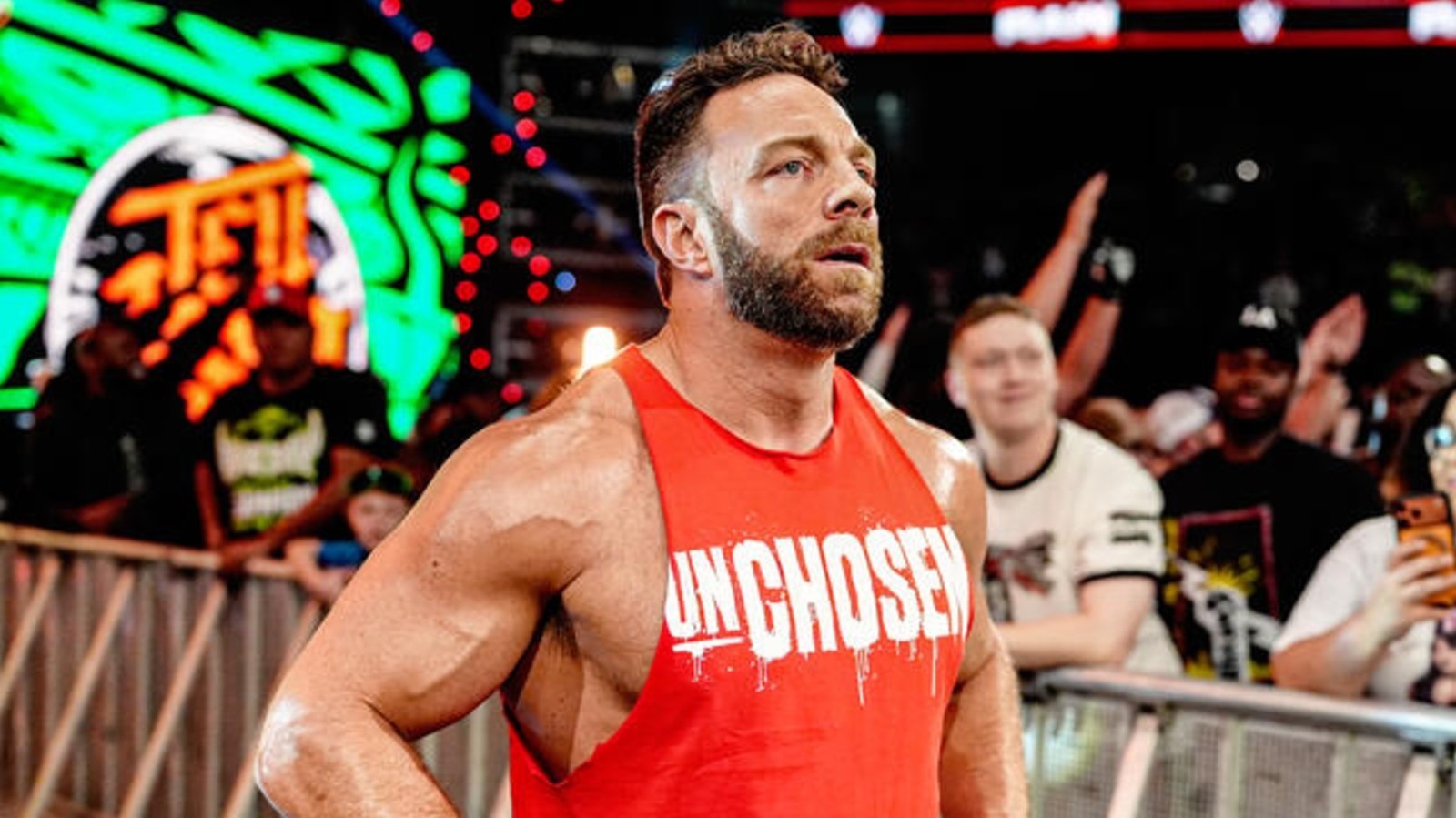
Before LA Knight became one of the most reliable pop generators in professional wrestling, he was trapped in a three-piece suit holding a clipboard. The Max Dupri experiment was a catastrophic misfire from an era of creative management that prioritized gimmick reinvention over obvious crowd connection. Knight has recently opened up about how those initial months on the WWE main roster were pure mental torture as he tried to navigate a gimmick that stripped away everything that made him magnetic on the microphone.
Reflecting on that period reveals just how close WWE came to wasting a finished product. Knight was brought up to turn heads, yet he was forced to pivot into an agency manager role that neutralized his natural momentum. The recovery from that branding disaster did not happen overnight; it took months of relentless crowd reactions forcing the front office to abandon the project and give him back his name, his cadence, and his signature catchphrases.
Tactical pivots and backstage fingerprints
While veterans like Knight fight to maintain their place near the top of the card, the technical evolution down in NXT continues under intriguing leadership. Behind the scenes, AJ Styles spent this week working as a producer for the NXT main event. Seeing a master craftsman like Styles put his fingerprints on the developmental main event scene shows in the pacing and structure of the matches.
Styles bringing his match-architecture experience to the younger roster helps bridge the gap between high-risk indie execution and main-roster psychology. When a veteran who understands timing and false finishes produces a main event, you immediately notice fewer dead spots between sequences. The transitions become tighter, the hot tags hit harder, and the near-falls carry actual weight rather than just being empty move-stacking.
Main Event signals and match psychology
On the July 23 episode of WWE Main Event, Giulia picked up a decisive victory over Kiana James, while American Made—Brutus Creed and Julius Creed—handled business against Dorian Van Dux and Sean Legacy. Ivy Nile also secured a win over Wendy Choo to round out the card. While Main Event is often treated as a taped secondary showcase, Giulia’s presence indicates WWE is keeping her sharp while adjusting her to the main-roster camera angles and pacing.
The Creeds continue to execute their brute-force amateur wrestling base, but their match structure still occasionally suffers from rushing transitions. Brutus and Julius have elite athleticism, yet they sometimes burn through spots without letting the crowd digest the impact. Working matches against tag teams like Van Dux and Legacy gives them screen time, but until they settle into a calmer rhythm during the heat segment, their ceiling remains slightly capped.
What to watch for and final call
Knight's resurgence proves that audience demand can overcome horrific initial booking, but the real test is how WWE sustains his momentum against technical savants crafted by producers like Styles. If Knight is going to stay in the main-event conversation, his in-ring work needs the same sharp, deliberate pacing that Styles is currently instilling into the NXT locker room.
Expect Knight to continue leaning heavily on crowd call-and-response, but watch closely for whether he refines his mid-match control segments. The crowd will always chant his name, but sustained main-event runs require more than catchphrases—they require seamless execution when the bell rings.
Read Next