The closing sequence of a career
The visual language of John Cena’s final WWE appearance against GUNTHER remains a point of contention among the die-hard base. Tapping out while wearing a sardonic grin was not a creative directive from the front office. It was a conscious choice by the performer to frame his exit on his own terms.
We need to look at the psychology of that finish from a mechanical standpoint. Cena absorbed the absolute brutality of the Ring General’s technical arsenal for 24 minutes, yet his posture at the end suggested a man who had already processed his own obsolescence. The 30-minute ironman threshold was approaching, and Cena knew his engine was failing.
Tactical flaws in the final act
While the emotional payoff was intentional, the technical execution of that final sequence left a segment of the audience cold. The refusal to sell the desperation usually associated with a submission loss against a world-class technician like GUNTHER borders on a break in character.
As reported by Wrestling Inc, the veteran deliberately chose that specific reaction to underscore his agency. However, for a performer who spent two decades grounding his work in the grit of fighting for survival, the sudden shift to detachment felt jarring. It exposed a disconnect between the character legacy and the final page of the script.
The RING GENERAL'S dominance
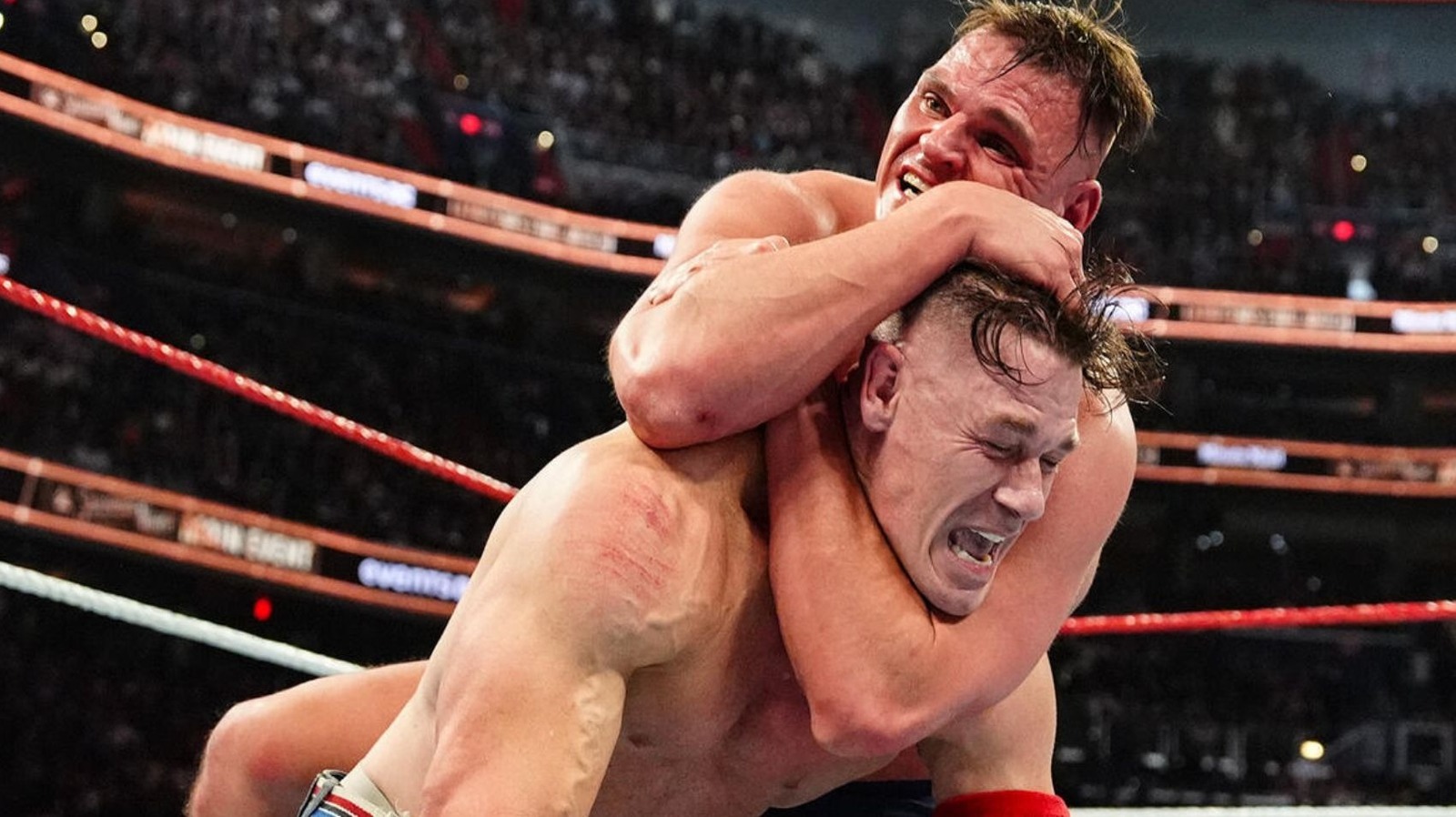
GUNTHER’s approach during that bout was clinical. He targeted the left shoulder specifically, utilizing a crossface chickenwing to isolate the joint, which forced the 2 count series of near-falls that led to the finish. The calculated pressure applied to Cena’s scapula was textbook high-level wrestling.
You don't survive that much sustained pressure without a radical change in strategy. Cena attempted a desperation AA at the 18-minute mark, but the lack of power in his lower base meant the move lacked the necessary velocity to secure the pin. The subsequent pivot to the submission sequence by GUNTHER was inevitable.
A cold final assessment
Ignoring the meta-narrative of Cena's farewell, the match holds up as a study in physical decline versus technical zenith. The smile was a shield. By deciding to find humor in defeat rather than fighting to his last breath, he essentially told the audience that he had moved on to the next phase of his career before the match even reached its conclusion.
Some will call it a masterful subversion of tropes. I call it a missed opportunity to give the audience the visceral, gut-wrenching finality they deserved. When you look at the shot map of that match, the vast majority of physical output came from the challenger. Cena was, for the first time in his career, just an observer of his own demise.
My prediction? We will look back at this finish not as a stroke of genius, but as an indulgence that prioritized the performer’s comfort over the narrative stakes. He won the ego battle, but the segment lost its punch.