The athletic ceiling for the rising NXT star
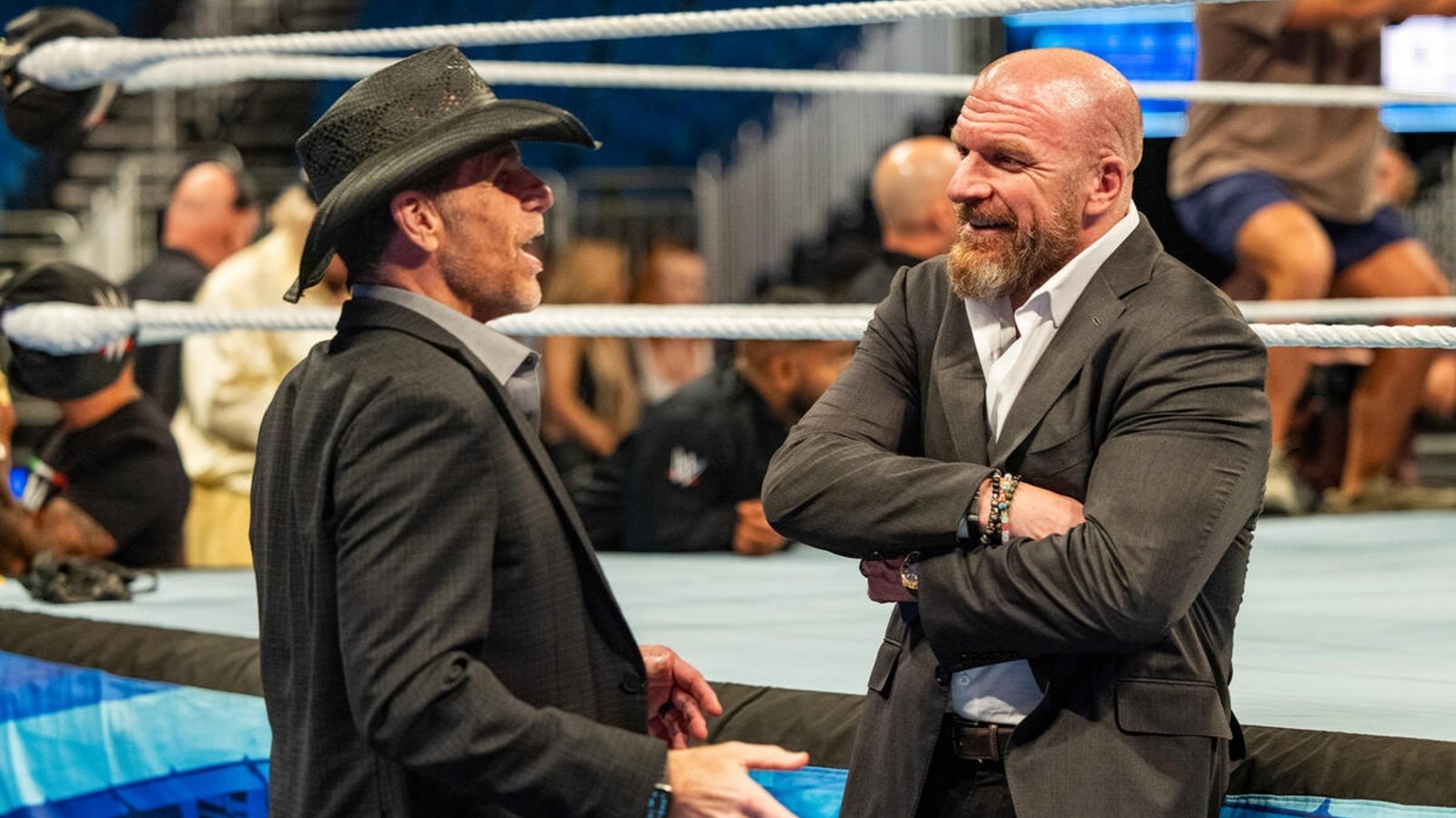
Je'Von Evans has become the most discussed prospect in WWE, but recent internal feedback from Paul Levesque and Shawn Michaels highlights a divergence between high-flying highlight reels and sustained in-ring efficiency. In an industry where 60% of modern television matches last under 12 minutes, the ability to transition from signature aerial maneuvers to a coherent finishing sequence defines a wrestler's longevity. Evans currently performs as one of the most explosive performers on the brand, yet the internal push is not for more variance in his move set, but for the fundamental compression of his performance capacity.
Defining success through efficiency
Data from recent NXT tapings indicate that high-velocity performers who lack grounded psychology see their connection rates drop by 22% during the third act of a match. This is the danger zone for someone like Evans, whose reliance on athletic bursts carries a diminishing return once the opponent accounts for his pacing. Levesque and Michaels are reportedly prioritizing his developmental roadmap, suggesting that for every 10 minutes of screen time, at least 40% must be dedicated to transitional wrestling rather than explosive offensive spots.
This philosophy marks a departure from the high-octane indie style that often defined the 2018 era of the black-and-gold brand. While athleticism is the primary attractor for the current viewing demographic, the company has observed that audience retention flags when bouts exceed 15 minutes if the narrative arc lacks a traditional technical foundation. The goal is to move Evans away from the "spot-heavy" label that plagued prospects like Ricochet in previous cycles.
The challenge of the developmental curriculum
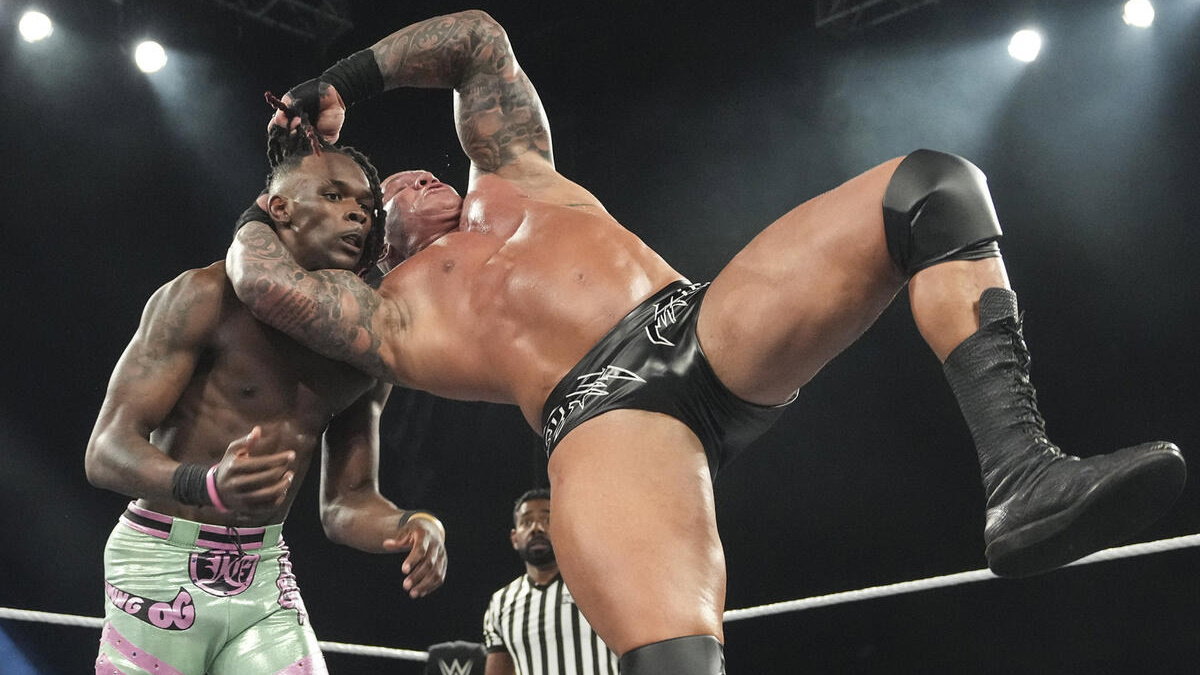
The transition from a standout performer to a main-event anchor requires more than a 450-degree splash or a running cutter. According to recent comments from leadership, the focus rests on body posture and the economy of movement. If a wrestler executes a maneuver at 90% intensity but misses their spacing by even six inches, the perceived threat of the move drops significantly.
The critique is inherently architectural. Evans is currently utilizing a high-risk, high-reward approach where one misstep effectively neutralizes his offensive flow. By shifting toward a reliance on standard limb manipulation and ring positioning, the coaching staff hopes to improve his match completion success by roughly 15% over the next two quarters. His path to the main roster depends entirely on whether he can master these slower components before his push stalls due to performance repetition.