The brutal math of ego matches
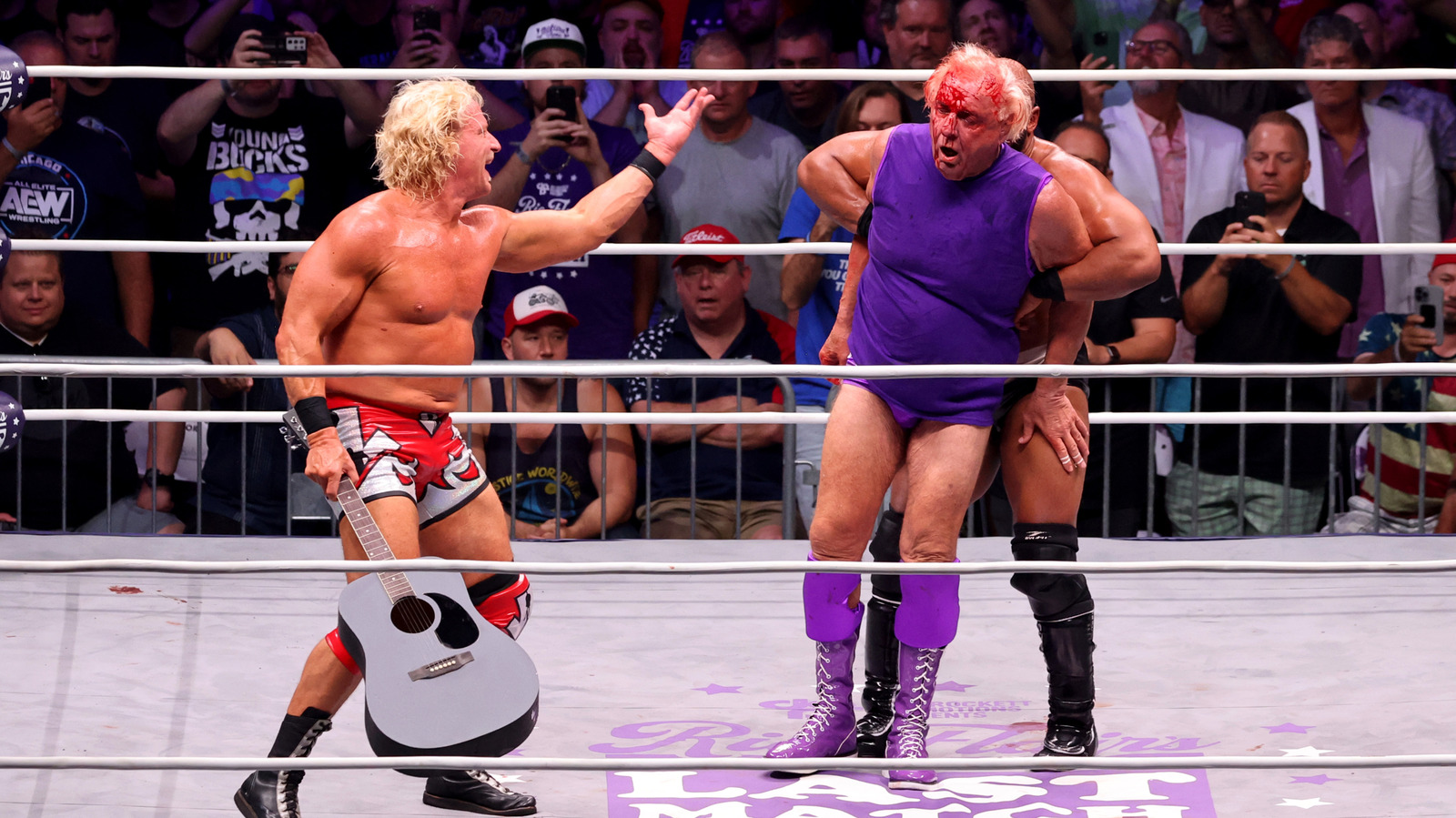
Jeff Jarrett finally broke his silence on the Ric Flair Last Match event, and honestly? It is about time someone in the locker room admitted the obvious. The wrestling industry loves to wrap itself in nostalgia, but sometimes the result is just a sweaty, disjointed mess that makes you want to look at the floor.
Jarrett took the microphone to explain why the spectacle fell flat for so many hardcore fans. He pinpointed the massive gap between what the audience wanted to see and what the aging participants could actually provide on that specific night. It is the oldest trap in the book: trying to rewrite history when your joints have other plans.
As Wrestling Inc recently noted, Jarrett was forced to navigate the reality of a legend trying to go one more time. You can’t book your way out of biology. Wrestling isn't a video game where you just max out the stats to keep the legend alive regardless of the age rating.
Booking against the clock
There was a fundamental disconnect in the room that night. The match was marketed as a grand finale, a swan song for one of the greatest to ever lace up the boots. Instead, the final product ended up looking like exactly what it was: a desperate attempt to capture lightning in a bottle that had already been smashed years ago.
Jarrett is right to call out the expectations. When you slap a headline like "The Last Match" on a card, the crowd shows up expecting a technical masterpiece or at least a graceful curtain call. What they got was a slog that relied too heavily on the reputation of the participants rather than the reality of their current work rate.
It is a recurring theme in the business where the promoter's imagination outweighs the performer's gas tank. We see this all the time with marquee events where the hype machine hits 11 before the bell even rings. Then the match hits the 15-minute mark, and suddenly the pace drops off a metaphorical cliff.
Why we need to stop the retirement circus
The Ric Flair retirement match failed because it refused to admit that the window for greatness had slammed shut. Jarrett trying to defend the effort while conceding the failure shows the thin line these veterans walk. They want to be respectful to the history of the business while their own eyes are telling them they shouldn't be out there.
This should serve as a stark warning to any promotion thinking about squeezing one final payday out of a name from the past. You might sell the tickets, but you end up spending that cash on the reputational damage control that follows. The audience isn't as stupid as the suits in the back think they are.
Watching legends fade in real-time is never fun. It is a messy, uncomfortable spectacle that makes you cringe rather than cheer. If you are going to go one more time, make sure your legs aren't essentially made of glass and broken dreams, because the internet will never let you forget the 1-2-3 count that felt like a mercy killing.
Ultimately, Jarrett is just calling a spade a spade. It was a bad booking decision built on a foundation of good intentions. In this business, intentions don't get you over, and they certainly don't fix a match that was doomed before the first lock-up. Maybe next time, just keep the legends on the mic and far away from the canvas.