The metrics behind a stagnant expansion
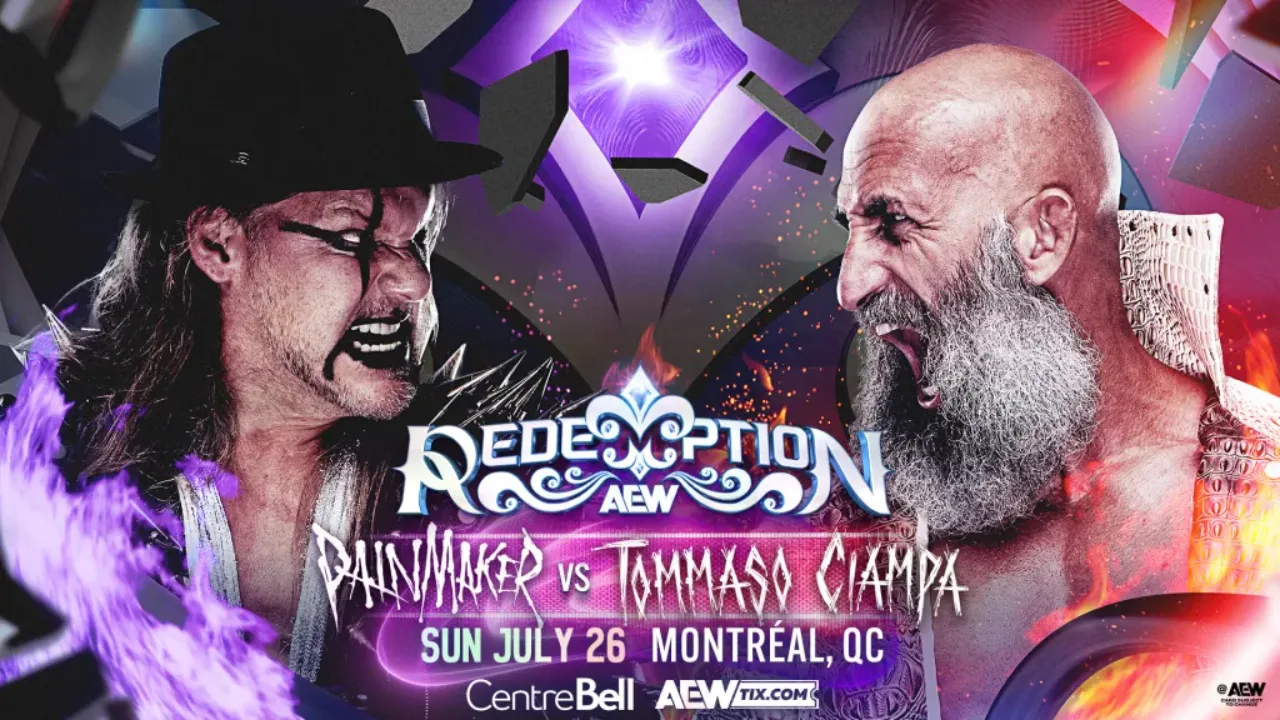
AEW Redemption 2026 presents a problematic benchmark for the promotion's current touring trajectory. As of this morning, July 25, 2026, the event has distributed roughly 2,800 tickets for the upcoming show. When compared to the venue’s capacity, these figures suggest that the promotion is struggling to maintain its previous growth patterns in mid-market arenas.
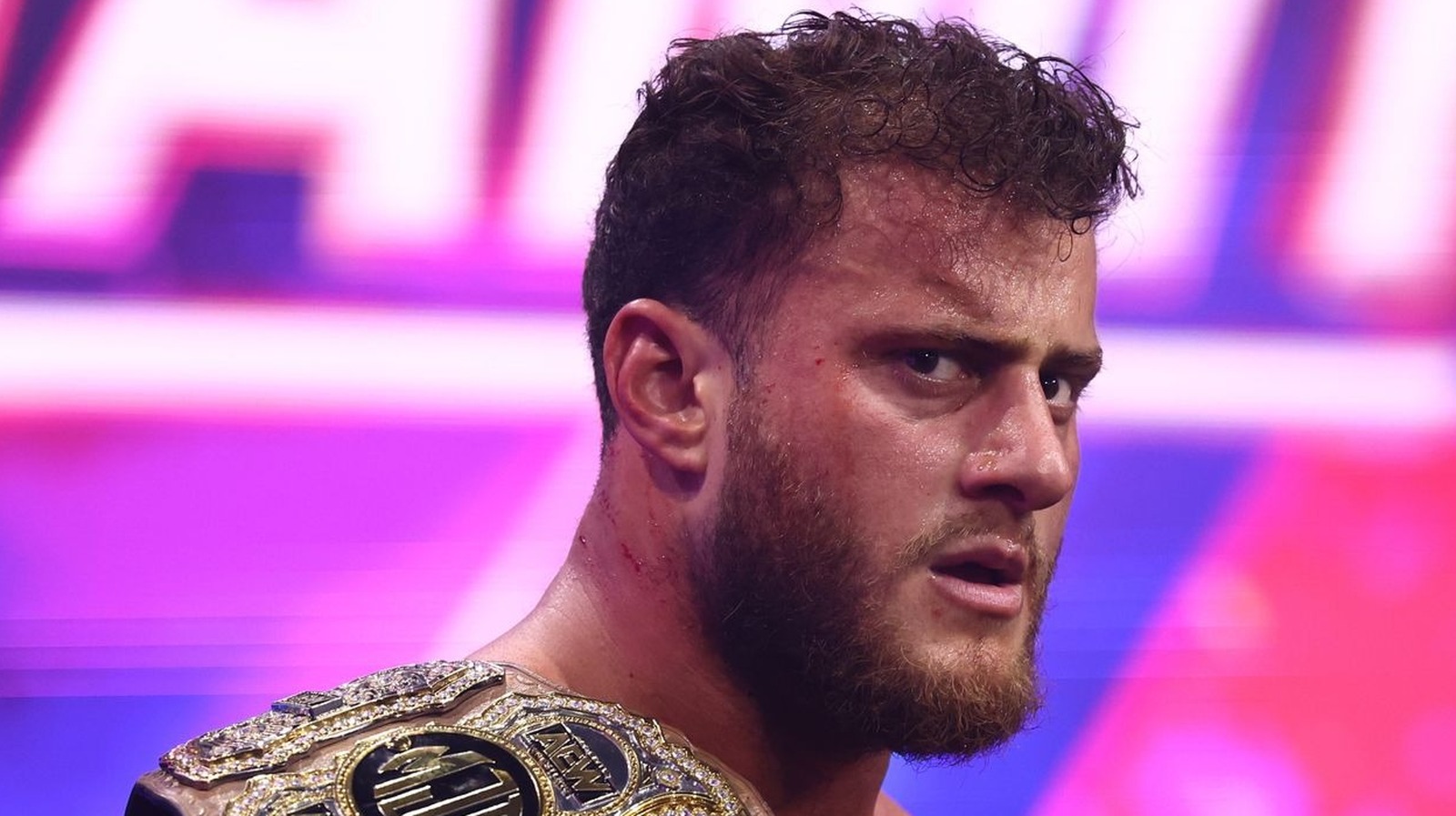
Booking logic often dictates that your marquee pay-per-view needs marquee attractions to push the gate. The decision to pull high-profile contests from the card has sparked legitimate internal and external skepticism. Matt Hardy recently went on record to highlight the disconnect regarding the promotional strategy for this specific event, pointing specifically to the decision to move the MJF versus Kenny Omega matchup away from this card.
If you remove a primary draw like Omega versus MJF, you essentially gamble that your remaining roster can carry the gate on brand equity alone. At 2,800 tickets sold, that gamble is clearly failing to move the needle. The math from WrestlingNews.co confirms this friction between booking decisions and ticket movement.
The competitive void in the undercard
Without the anchor of an established main event that guarantees a high-level technical showcase, the rest of the card is forced to overperform. The reliance on mid-card talent to fill the vacuum creates a disparity in perceived value for the ticket holder. When fans buy a ticket to a pay-per-view, they are paying for the promise of a defining moment.
We have seen this pattern before in regional touring circuits where the card is diluted. The drop-off in ticket interest is not just about the economy or market saturation; it is about the direct relationship between content investment and consumer demand. If the wrestlers tasked with anchoring the show have not been positioned as elite challengers in the last 6 months, the audience retention metrics will inevitably continue to slide.
Predicting the impact on the bottom line
My read on this situation is that the promotion is suffering from a lack of focus in its long-term storytelling. When you remove a match that fans are clamoring for, you diminish the urgency of the event. A 2,800 ticket distribution point is effectively a cry for help from the logistics team.
The execution of these shows must match the ambition of the company, and right now, there is a visible gap. If the promotion continues to pull premium content from its premium live events, the gate revenue will continue to decline in these mid-market sectors. Expect Redemption 2026 to be remembered as a logistical stumbling block rather than a tentpole success for the brand.
Prediction: The final attendance will settle under 3,500, a disappointing figure that forces a change in how the company approaches B-tier arena scheduling for the remainder of the calendar year. They need a structural realignment in their booking hierarchy to avoid further erosion of the core fan base’s investment.