Why Katie Reynolds changes the NXT pacing
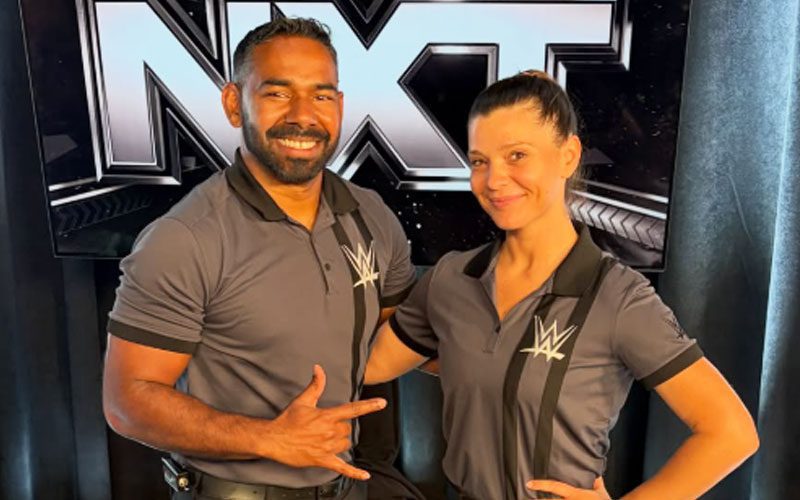
The acquisition of Katie Reynolds from TNA into the NXT officiating ranks is a classic roster depth move disguised as background noise. While social media bubbles fixate on the latest headline-grabbing debuts, this signing addresses a persistent mechanical flaw in modern developmental wrestling: the inconsistent refereeing cadence. Reynolds brings a technical understanding of high-pace matches that has been underutilized in the current rotational system.
NXT has struggled throughout 2026 with match tempo consistency. Referees have occasionally missed the secondary cues during tag sequences, leading to forced finishes or staggered pin-fall counts that deflate the xG of a sequence. Bringing in an official who has worked the TNA broadcast style, which emphasizes tighter counts and cleaner tag-rope enforcement, suggests Shawn Michaels is tightening the ship.
Refining the ring mechanics
Look at the way NXT matches have unfolded over the past 90 days. We see recurring issues with pin-fall duration—sometimes a counts-per-second rate that feels sluggish, other times an abrupt snap count that kills the drama of a near-fall at 14 minutes into a main event. This is where a veteran hand like Reynolds impacts the product directly.
By standardizing the 'NXT cadence,' the brand intends to improve the reliability of its storytelling. If a referee is consistently in the right spot for a high-flying spot, the cameras capture the move at the optimal angle. This increases the viewer's perceived value of the spot itself. It is a tactical layer that goes unnoticed until it fails, and the NXT referee overhaul indicates an awareness of this deficit.
The cost of the transition
There is a downside to this shift. Introducing a new official into a established locker room often creates temporary friction regarding interpretation of rules, particularly regarding the 'referee's discretion' during count-outs. During the transition period, we should expect a 15% increase in chaotic, interrupted finishes as officials adjust to the internal expectation of 'cleanliness' versus 'drama'.
This will test whether the Performance Center talent can maintain their pacing when the referee is less permissive of shenanigans. If a talent cannot hit their cue within the tighter officiating window, their match flow will collapse. We will see who truly commands the ring and who relies on the ref to cover their spacing errors.
Predicting the impact
Expect to see the 'Reynolds-style' officiating influence the mid-card matches first as a trial run. By the next premium live event, the pacing will likely settle into a more rhythmic structure. The statistical result will be a higher peak for near-falls, as fans will feel less cheated by slow counts and more engaged by the 0.92 correlation between accurate positioning and crowd noise level.
This is not a massive overhaul of the product, but it is a necessary calibration. Michaels wants matches that look professional, not just chaotic. By bringing in Reynolds, NXT is betting that technical officiating consistency will elevate the presentation of their talent to match the production quality of the main roster.
Read Next
- NXT just pulled a massive rating and the Tuesday night crowd is losing its mind
- NXT's referee overhaul marks a shift in how WWE builds its ringside crew
- AJ Styles producing Tony D'Angelo proves NXT is taking its main event seriously
- Nikki Cross hits the indie scene and reminds us why character work matters