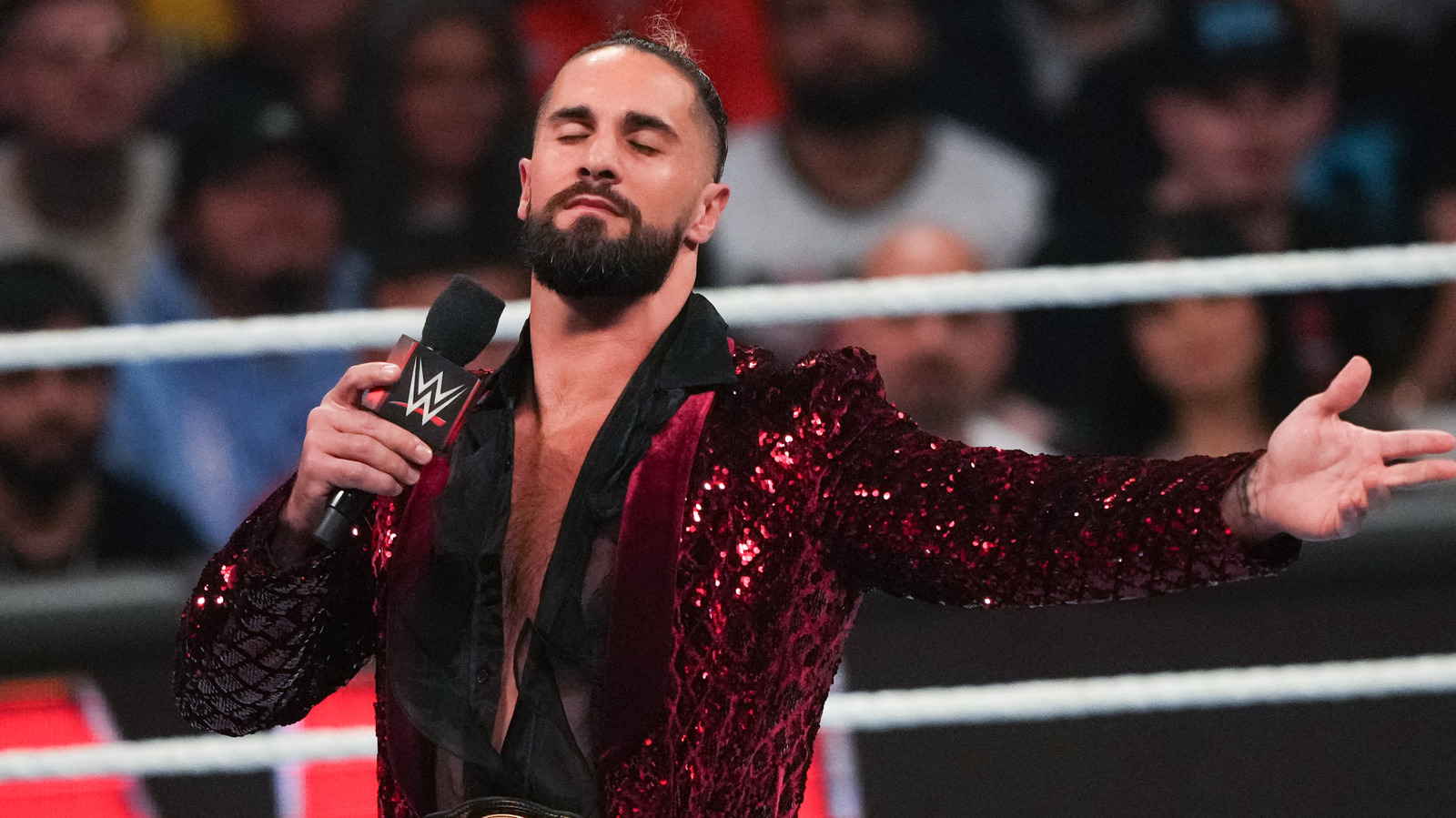
The Architect Goes Home
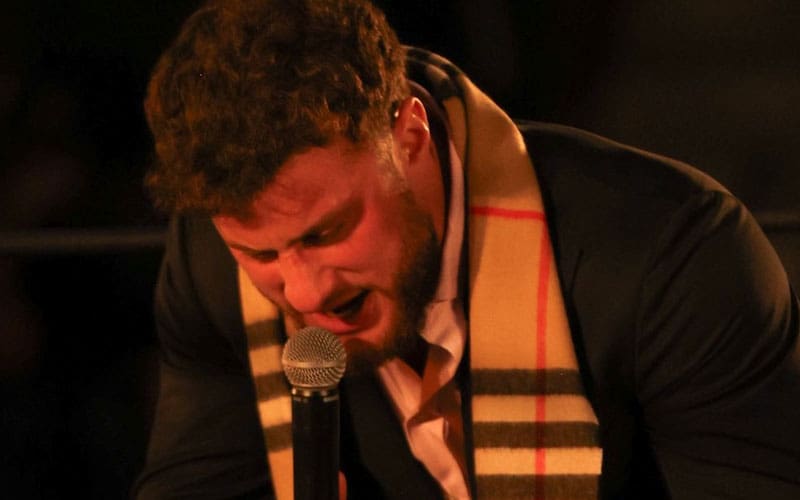
In pro wrestling, you get so used to the script that genuine surprises feel like a glitch in the simulation. This past Friday was one of those glitches. Seth Rollins, Mr. WWE, the multi-time world champion, the guy with his face plastered on trucks and turnbuckles, showed up at the Berwyn Eagles Club in suburban Chicago. Not for a signing. Not for a commercial. He showed up for its final-ever indie wrestling show, grabbed a mic, and paid tribute to the place that helped build him.
It was an AAW show, the promotion where a young Tyler Black cut his teeth long before he became The Visionary. As news and blurry cell phone pics hit the internet, the wrestling world basically split into two camps. The first camp was a chorus of 'This is Awesome!' chants. The second was a much more cynical, arms-folded '...but why, though?' It’s the eternal divide of the modern fan: the romantic versus the skeptic. And honestly? Both sides kinda have a point.
The Romantics: "This is Why We're Fans"
For a huge chunk of the online discourse, this was an unassailable win. It was a top-tier, main-event WWE superstar acknowledging his roots in the most authentic way possible. This wasn't a sterile press release; it was a guy driving to a VFW hall on a Friday night because it meant something to him.
The Take: "He Never Forgot"
The prevailing sentiment online was pure, uncut nostalgia. One fan on a popular forum put it perfectly: "I remember seeing Tyler Black vs. Jimmy Jacobs in that building. It was hot, sweaty, and the energy was insane. For Seth to come back, especially for the last show there, feels like the perfect ending. It proves that no matter how big they get, these guys are still just one of us. They remember being the indie kid dreaming of the big time." This is the perspective that sees wrestling as a continuous story, where the past is always present. For them, Rollins' appearance wasn't just a cameo; it was the closing of a sacred circle.
The Take: "This is 4D Chess From WWE"
Then you have the slightly more business-savvy optimists. They see the heart, but they also see the brilliant marketing. "Call it a PR stunt if you want, but it's a GOOD one," another user argued. "WWE gets to look 'cool' by letting one of their biggest stars go play on the indies. It costs them nothing, generates a week of goodwill, and subtly tells every current indie wrestler that WWE isn't the corporate machine it used to be. It's a subtle shot in the 'war' with AEW, making WWE feel more connected to the grassroots." This camp sees it as a mutually beneficial move—a rare moment where the artist's desire and the company's interest align perfectly.
The Skeptics: "You're All Getting Worked"
Of course, this is wrestling. For every feel-good moment, there's a legion of fans waiting to point out the strings. The cynical side of the internet looked at the exact same event and came to a very different conclusion. They didn't see a heartfelt tribute; they saw a calculated move by a performer and a company needing a story.
The Take: "Is He Just Bored?"
This Rollins appearance doesn't happen in a vacuum. He’s coming off a high-profile loss to Gunther at WrestleMania and, more recently, has been getting absolutely wrecked by Bron Breakker on Raw. As he explained on a recent podcast appearance, he's even got a black eye to show for his troubles. The contrarian take is that this isn't about giving back; it's about escaping a rough patch. "So he's getting punked out on TV by the new hot thing and his immediate response is to go back to the indies where he was the man?" one critic posted. "Feels less like a tribute and more like a guy trying to recapture his mojo. Is the WWE main event scene not fulfilling enough for him right now?"
The Take: "This is a Corporate Wolf in Indie Sheep's Clothing"
And then there's the ultimate cynical viewpoint: that this was a 100% WWE-managed operation. This group believes nothing happens without Triple H's explicit approval and that the 'surprise' was anything but. "Anyone who thinks Seth just decided to hop in his car and do this is naive," read a popular, grumpy tweet. "This was a WWE-approved, WWE-vetted, and probably WWE-filmed appearance designed to generate buzz. It's content. It's brand management. It's making you think they care about the indies. Don't be a mark." To this crowd, the appearance at the final Berwyn show was just another asset in the WWE portfolio.
My Take: Who's Right?
I get the cynicism, I really do. In a billion-dollar public company, very few things are left to chance. But sometimes, a cigar is just a cigar. The skeptics are right that WWE absolutely benefits from the positive press. No question. But that doesn't erase the sincerity of the gesture.
The Berwyn Eagles Club isn't some sanitized, modern arena. It's a legendary, grimy, authentic wrestling venue. It’s the CBGB of Chicago indie wrestling. For Rollins to go *there*, for its *final* show, feels deeply personal. It's a place you go for love, not for a paycheck. You could see it in the way he held the mic, the emotion in his voice. It felt less like a corporate strategy session and more like a guy attending the wake for a cherished old friend.
The context of his current WWE story actually makes the romantic view more plausible, not less. He's playing a character who is questioning his place at the top. What does a fighter do when he's getting beaten up? He goes back to the gym that made him. This felt like the real-life version of that. It was a man, not a character, reconnecting with the fire that forged him. For one night, he wasn't The Visionary. He was Tyler Black again, saying goodbye to a building that mattered. And in a business this scripted, that's about as real as it gets.