The closing of a Chicago institution
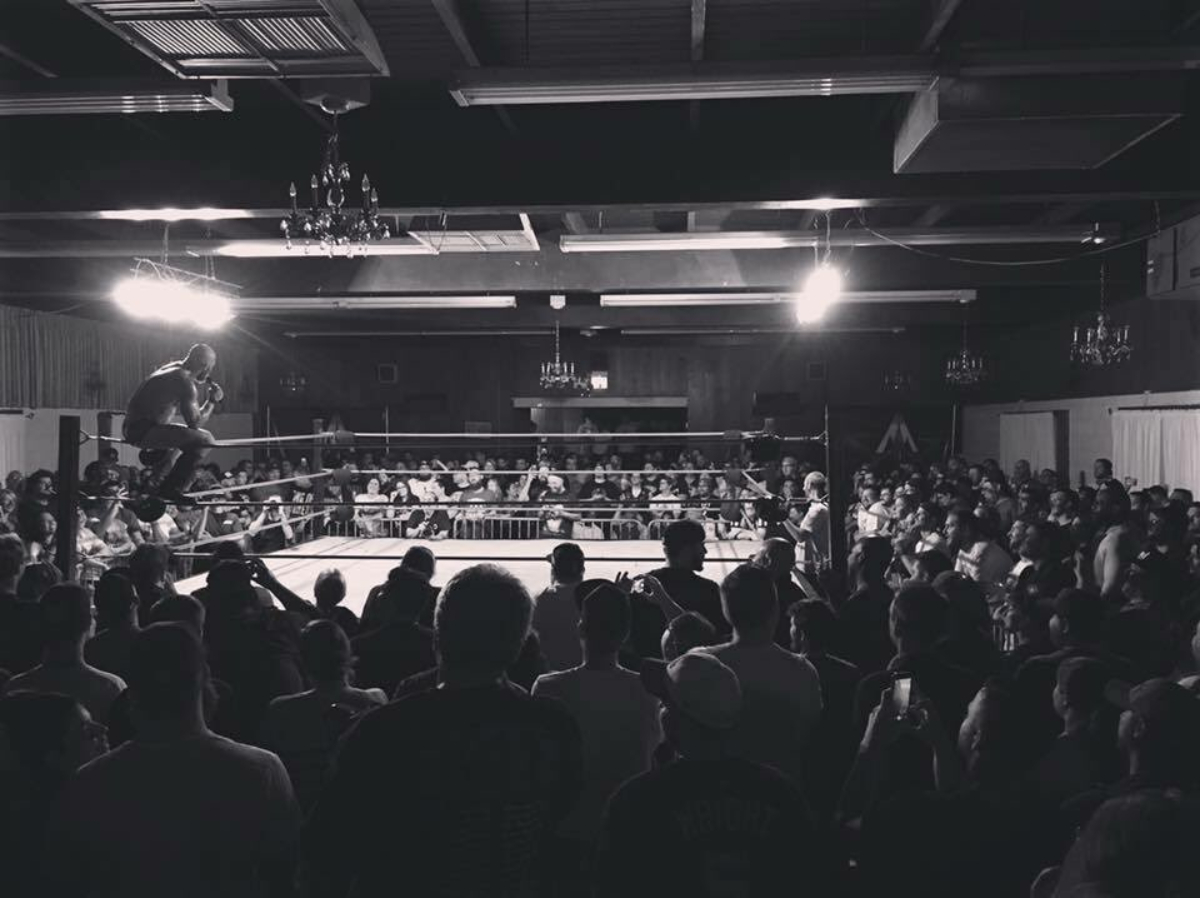
The indie scene just lost a piece of its heart. The Berwyn Eagles Hall, a venue that hosted professional wrestling for 22 years, has officially shuttered its doors to the industry. Following a recent incident involving an alleged stabbing, the venue operators made the decision to move away from hosting combat sports entirely. This isn't just a building closing; it is the loss of a sanctuary that defined regional wrestling in the Midwest.
Reports indicate that the fallout from the disruption forced officials to step in, effectively terminating a long-standing history of events. F4WOnline confirmed the move follows a pattern of heightened security pressures on independent promoters. For a facility that had served as a home base for two decades, this signals a shift in how venues perceive the risk-reward ratio of hosting indie shows.
The vacuum left behind
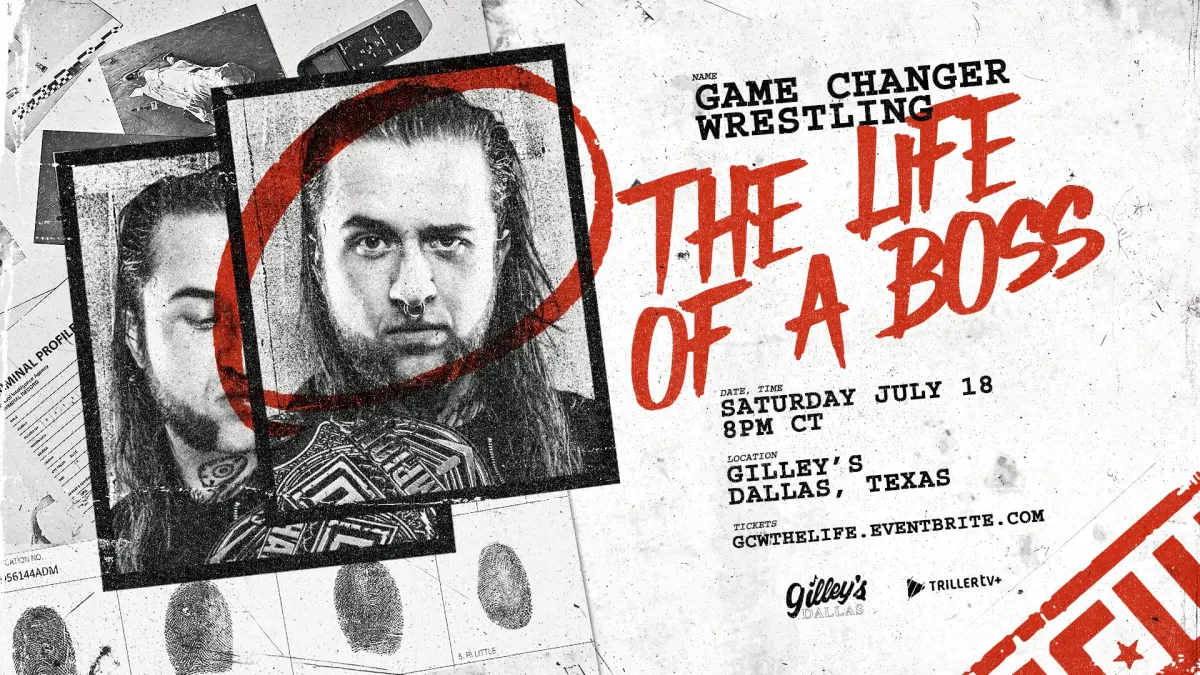
Promotions like GCW now face a difficult recalibration. Finding a venue that allows for aggressive, high-impact style wrestling without strict zoning or insurance pushback is becoming a tactical nightmare. The Berwyn Eagles Hall provided a specific aesthetic: low ceilings, tight crowd placement, and an atmosphere that translated perfectly for digital streaming services.
As Ringside News noted, the cancellation of upcoming dates is immediate. Promoters are scrambling to find alternatives in the Chicago area that can accommodate the specific seating requirements and lighting rigs these high-octane cards demand. Replacing a 22-year relationship with a venue is not a matter of simply signing a new lease; it is about finding a space that retains the grit without the liability.
Tactical implications for indie promoters
The booking strategy for the summer must change. If independent leagues cannot find localized, affordable venues that are willing to assume the insurance burden of a rowdy crowd, the overhead cost per show will spike drastically. We are seeing a retreat into safer, corporate-owned facilities that sanitize the product, often at the expense of that raw, unpolished energy that makes indie wrestling compelling.
The loss of Berwyn is a blow to the bottom line for every local talent who relied on this hall as a testing ground for experimental spots. When you remove a venue that allowed talent to work their craft in front of 300-500 dedicated fans, you inhibit the evolution of the next generation of workers. It is a shortsighted move by the venue, but it is one forced by an undeniable safety failure that could not be ignored by the operators.
The outlook for the calendar
Looking at the 2026 release of the TNA schedule, it is clear that larger organizations remain insulated from these venue closures because they operate under different legal and safety umbrellas. The independent scene, however, will continue to struggle with the loss of mid-to-large capacity independent venues. I predict that within the next 6 months, we will see an uptick in outdoor warehouse events or nontraditional spaces being rented to offset the loss of permanent wrestling halls. It is a messy solution for a scene that needs stability to flourish, but it is the current reality of the business.
The indie industry is entering a contraction phase. Promoters who fail to vet their fan interactions and security presence will find themselves without a place to put on a show sooner rather than later. The Berwyn Eagles Hall incident should be the wake-up call that professionalizes the security standards of every touring indie brand in the country.