The Anatomy of the Ring
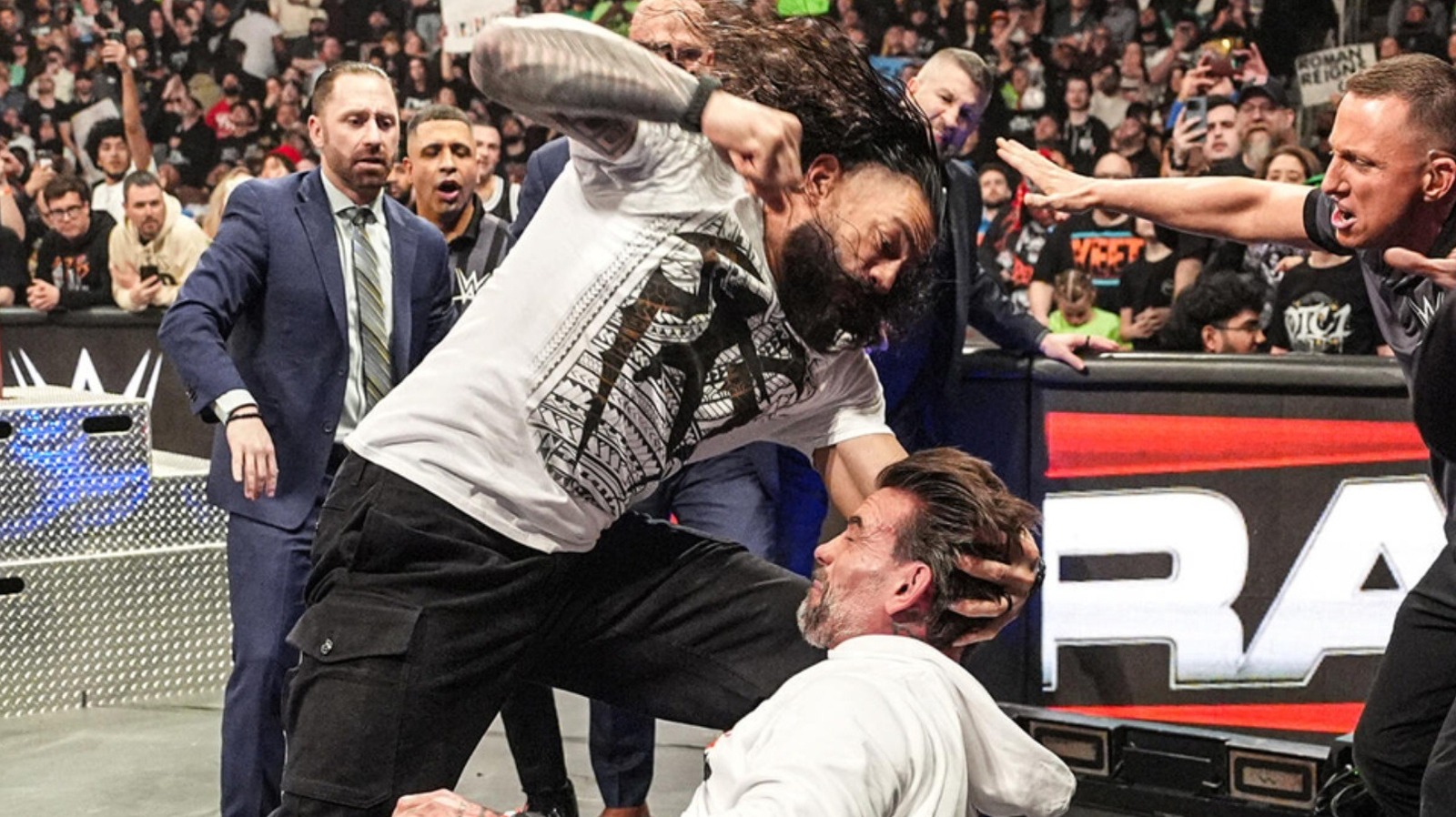
The squared circle is the ultimate equalizer. Every performer claims it, but few master the space between the ropes to define an era. This list ranks the most influential dynamics centered on the ring itself, from the technical output of legends to the administrative fallout currently shaking the foundation of the industry.
The Rankings
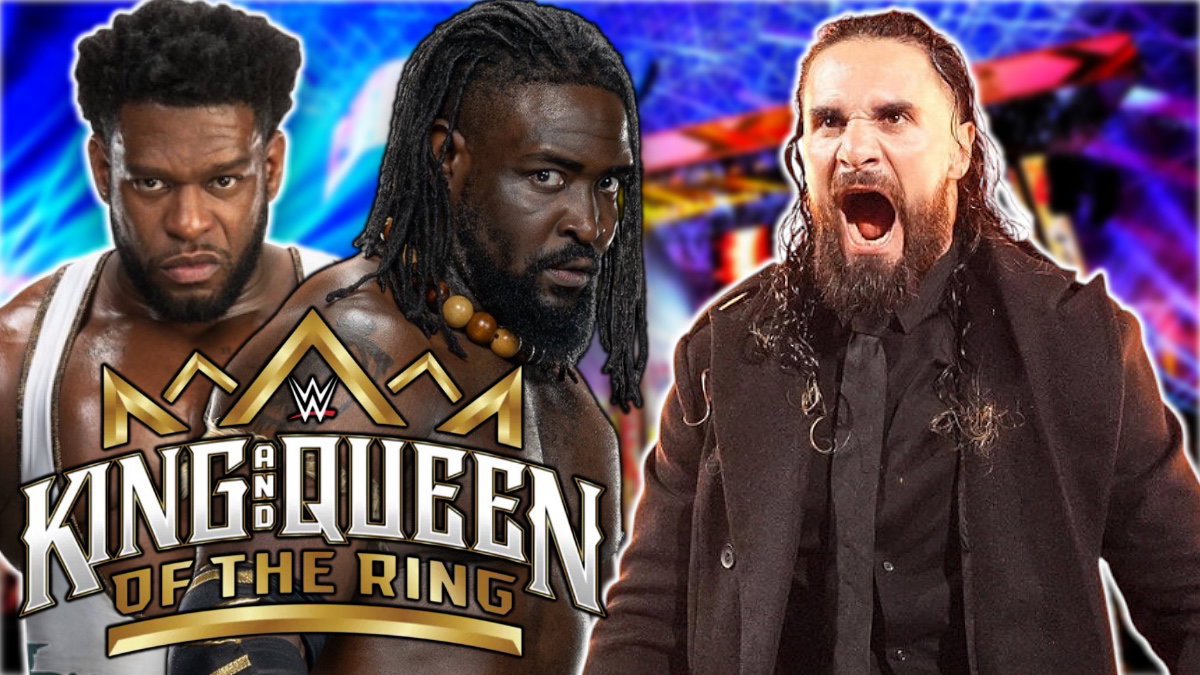
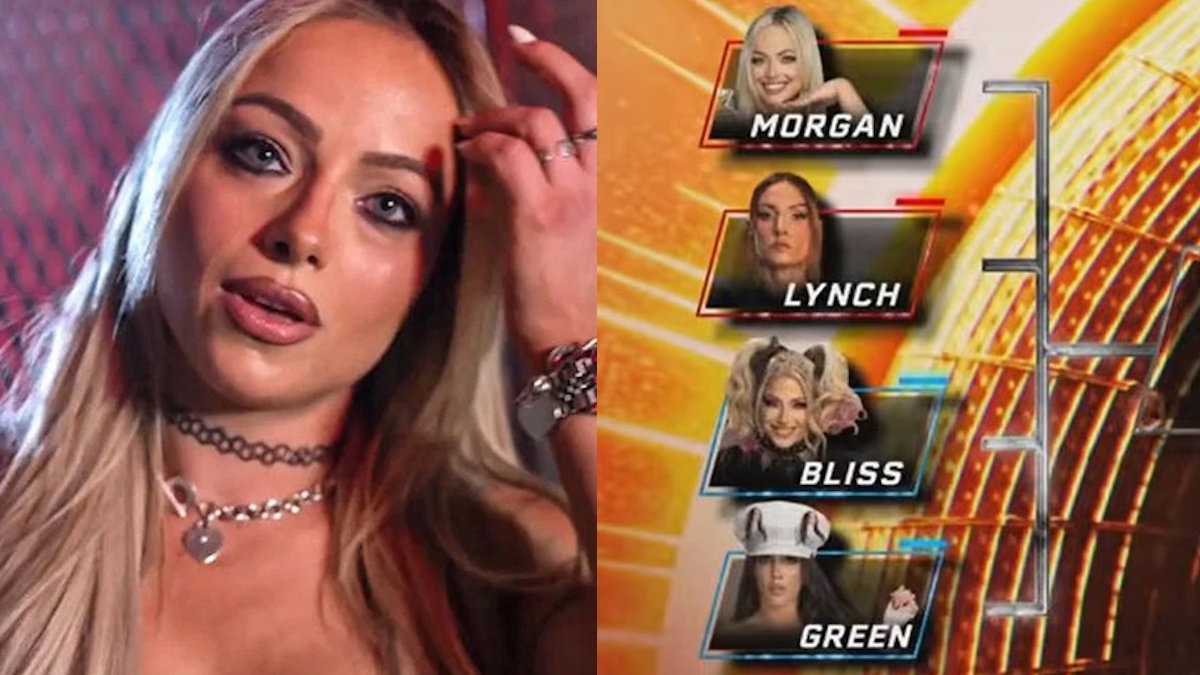
1. The Queen of the Ring legacy. The 2026 tournament cycle is already shifting the internal hierarchy of the women's division. With the recent reporting on the upcoming coronation in Saudi Arabia, the title carries more weight than its predecessors. Expect the eventual winner to be positioned as the immediate challenger for brand dominance through the summer.
2. The void left by the inaugural Queen. It is a massive blow to the prestige of the tournament that the first-ever winner has departed the company, as noted by PWInsider. This exit forces a rapid rewrite of archival legacy. WWE now faces a marketing challenge to pivot fans away from that history.
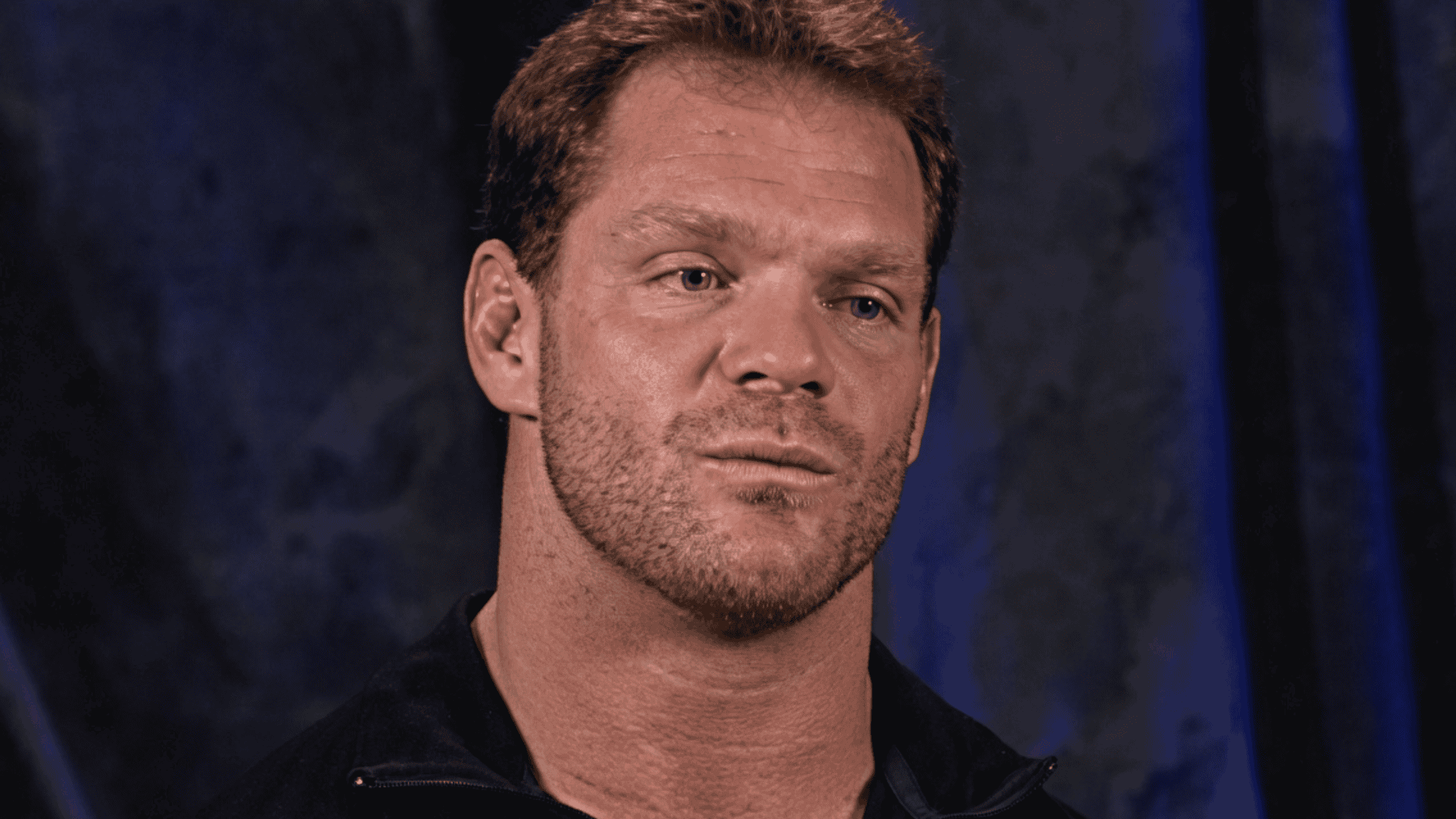
3. Chris Benoit’s technical calibration. Regardless of the controversy surrounding his legacy, veteran contemporaries consistently cite his ring presence as a benchmark for pacing. When legends identify him as a top performer, they refer to a specific ability to control the canvas. This remains a polarizing topic in professional wrestling historiography.
4. Saudi Arabian event integration. The decision to anchor the 2026 Queen of the Ring finals in Riyadh serves as a strategic commitment to mid-year tentpole events. The physical toll of the international travel schedule often reveals which talents can actually carry a main event spot. These shows are no longer just exhibitions; they are booking auditions.
5. The post-Mania roster churn. We are currently witnessing an aggressive thinning of the mid-card as the company tries to optimize its talent utilization. If you haven't showcased a unique hook in the ring during the last six months, your spot is likely compromised. This creates a desperation factor that has produced higher-intensity television matches lately.
6. Ring psychology vs. high-spot inflation. Modern booking leans heavily on high-risk maneuvers to secure social media engagement. However, the best workers retain the ability to tell a story through simple transitions. The divide between these two philosophies creates the most friction in current creative meetings.
7. The Dickies Arena pivot. The recent branding updates signal that venues are now as much a part of the narrative as the athletes. By dropping major reveal segments at specific shows, WWE is gamifying attendance for its hardcore fanbase. It works until the crowd stops responding to the hype videos.
8. The durability expectation. Management is increasingly prioritizing performers with zero-injury records coming out of the road schedule. If you cannot maintain a baseline standard of health, the company has shown they will replace you. This puts immense pressure on talent to work safer while increasing the intensity of the product.
9. The developmental bridge. Talents being moved from NXT to main programming face a wall of indifference if they arrive without a polished gimmick. The days of learning on the job during live TV segments are finished. You either hit your mark on night one or you move to the lower-tier rotation.
10. The referee authority. Surprisingly, the most underrated factor in work-rate is the officiating cohesion. When referees lose command of the ring, the pace of the match drags, making the performers look sluggish. A bad ref can sink a good main event faster than a poor promo.
The Big Picture
The ring is a static object, but the energy injected into it is fluid and fickle. As the 2026 schedule progresses, the divide between those who understand how to structure a narrative and those who just execute move sets will determine who survives the current restructuring.
Honorable Mentions
The mid-card logjam where talent goes to stall, and the recurring debate over finish frequency in televised title matches vs. house shows.