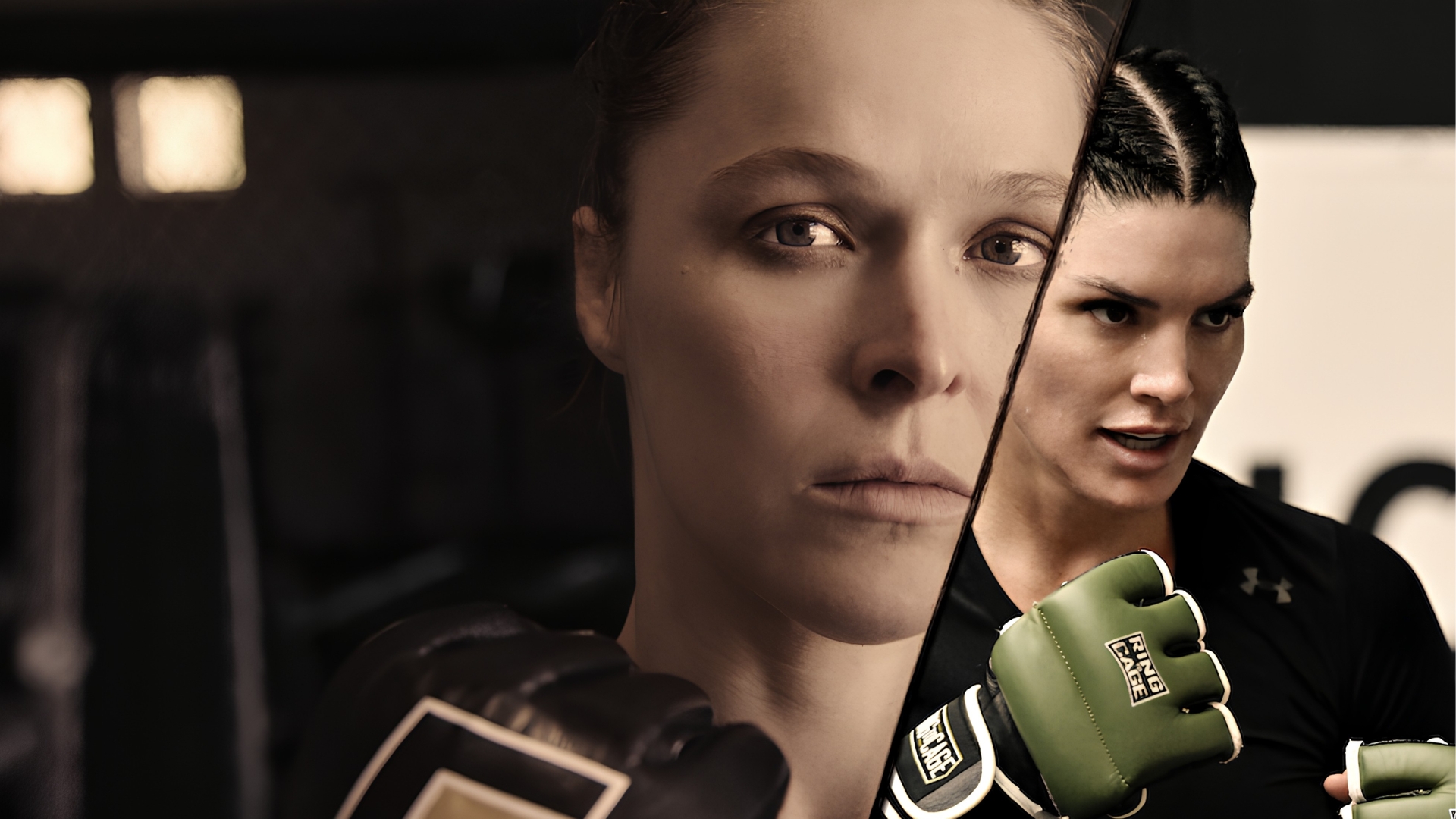
The Netflix broadcast crossover
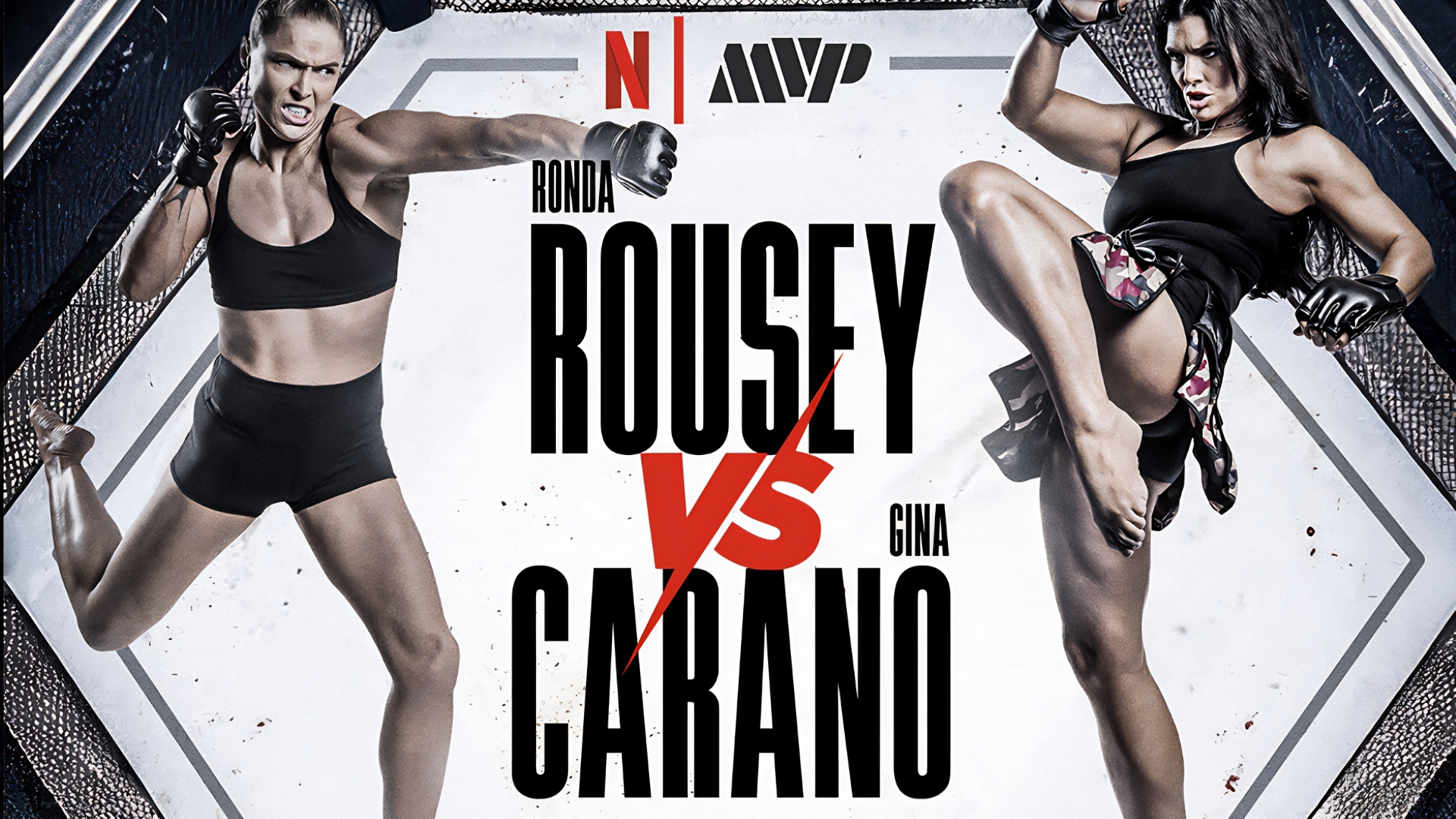
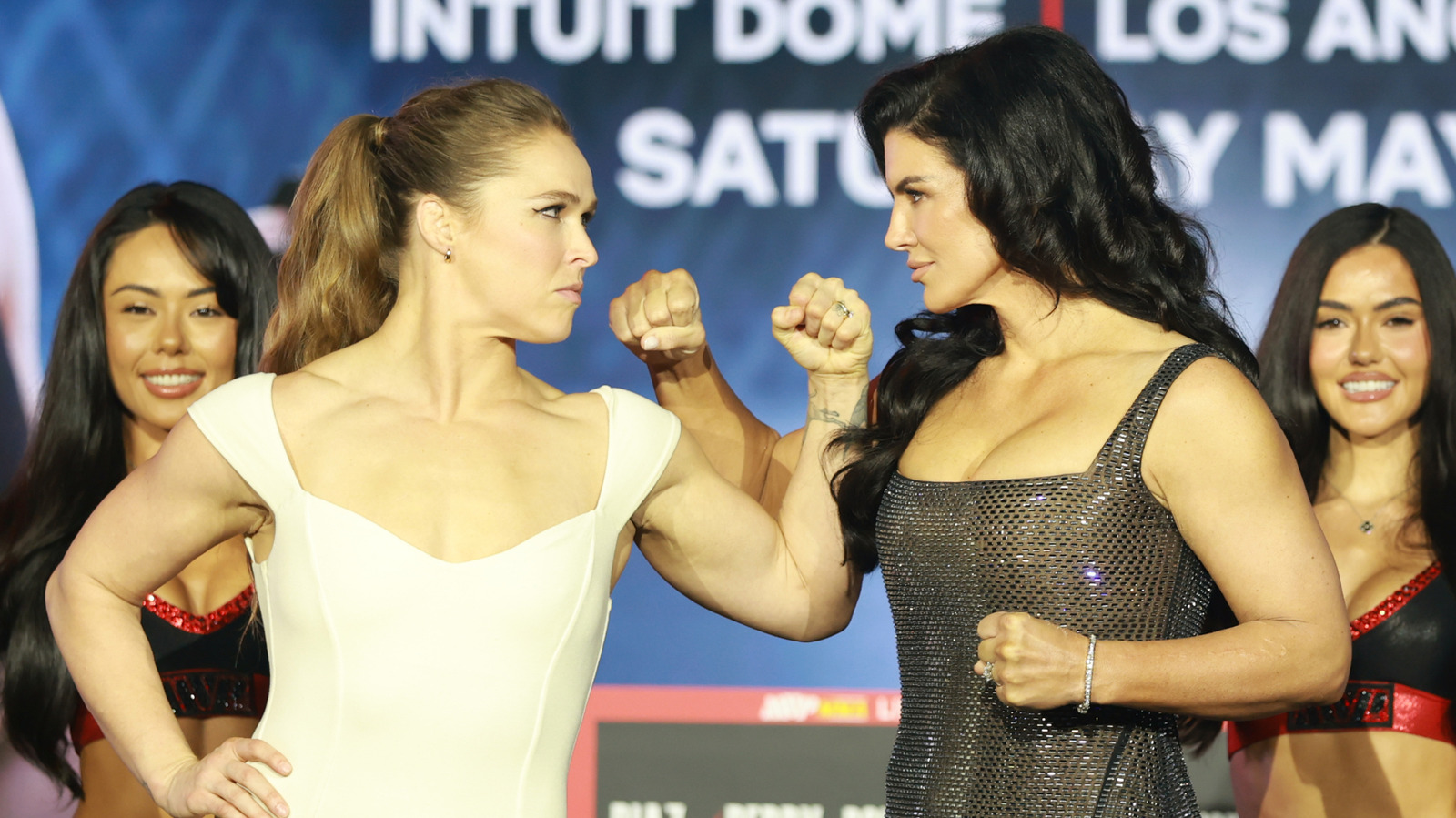
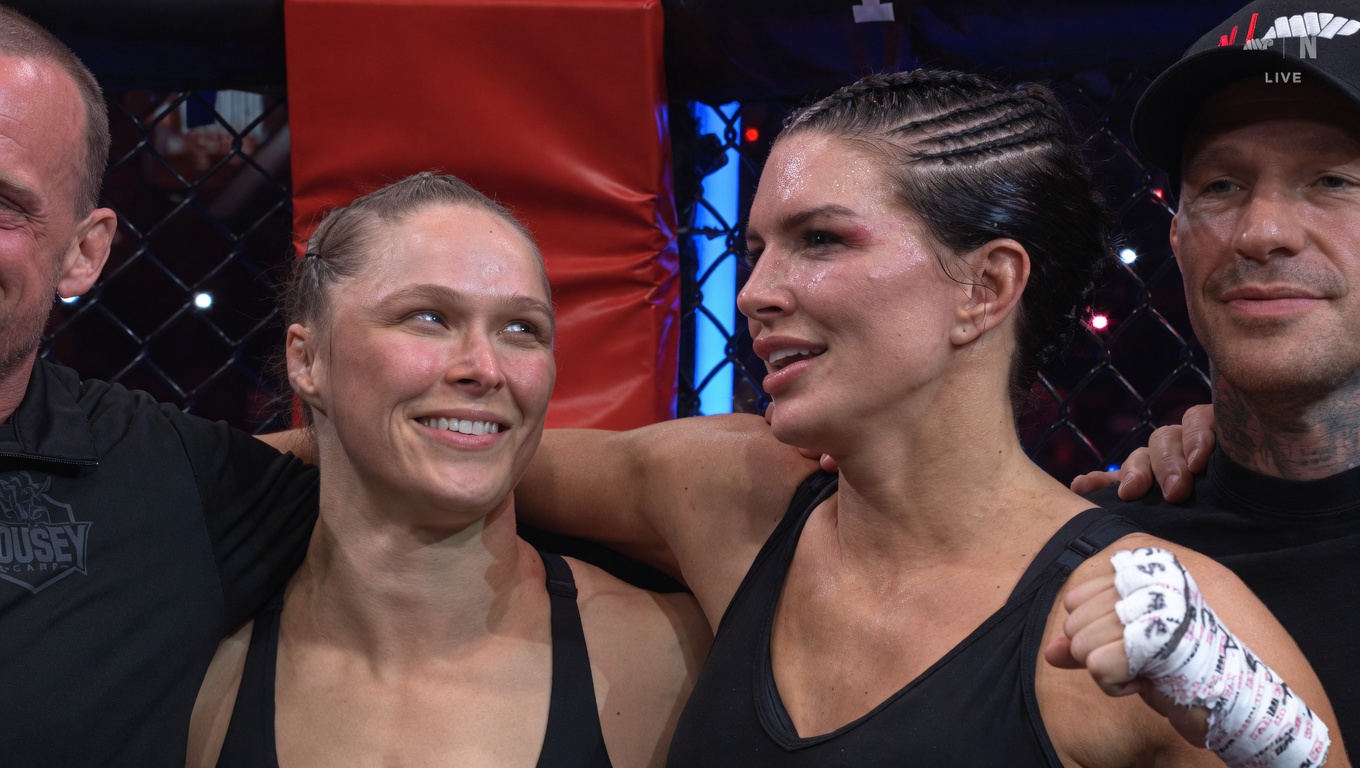
The announcement that Mauro Ranallo will headline the broadcast team for the upcoming Rousey vs. Carano fight has reignited speculation about his long-term tenure in professional wrestling. As PWInsider reported this week, Ranallo is confirmed for the Netflix event, signaling a major move for the longtime play-by-play expert toward high-profile combat sports production. This assignment is not just a one-off; it positions him squarely back in the global spotlight.
Trajectory and departure points
Ranallo's career trajectory remains defined by his ability to pivot between the visceral intensity of mixed martial arts and the theatrical narrative of professional wrestling. His previous jumps between promotions were often marked by a desire for creative freedom or a reaction to internal culture shifts. By aligning with a platform like Netflix, Ranallo removes himself from the standard weekly grind of the wrestling industry.
The move suggests he is prioritizing high-production quality over the relentless touring schedule that currently defines major pro-wrestling brands. For fans, this is a bittersweet moment. Ranallo remains one of the most technical callers in the business, capable of elevating a mid-card match with legitimate credibility. However, his history proves he is rarely content to stay stationary once a better production opportunity emerges.
Creative friction and the wrestling exit
Any deep analysis of Ranallo’s career requires a look at the friction that often precedes his exits from major promotions. His tenure at WWE was famously fraught with internal conflicts, including documented issues regarding his treatment by broadcast colleagues that eventually led to his departure. That history is a recurring shadow over any rumors involving a return to full-time wrestling duties.
If a return to a major wrestling promotion were to materialize, it would require a significant overhaul in how that organization handles play-by-play talent. He is not a man who accepts being diminished by management or marginalized by less-experienced production leads. The current creative landscape in wrestling is dense, but few organizations are willing to grant him the autonomy he demands for his call-sheet preparation.
The MMA factor
As F4WOnline noted, the Netflix production for the Rousey-Carano card on May 14, 2026, is a massive investment in combat sports streaming. Ranallo thrives in these environments because they respect the technical aspects of the sport rather than focusing on scripted soap-opera beats. He is effectively moving toward a sector that aligns with his personal passion for boxing and real-world fighting.
Expectations for this Netflix debut are high. Should it succeed, it effectively closes the door on a full-time return to the wrestling booth for the near future. The combat sports industry is hungry for voices that carry legitimate gravitas without the campiness that dominates sports entertainment. Ranallo provides that bridge perfectly.
Probability and outlook
The probability of Ranallo accepting a full-time contract to anchor a wrestling promotion within this calendar year is low. He has established a path that minimizes the stress of weekly wrestling television. While he may participate in occasional special events, the grind of 52 weeks a year is likely off the table. The Netflix deal is exactly the type of career pivot that suggests he is finished with the traditional wrestling format.
- Likelihood of full-time wrestling return in 2026: 15%
- Likelihood of multi-fight combat sports deal: 75%
- Likely destination: Major streaming platforms focusing on combat sports
Ultimately, if Ranallo signs a long-term deal with a streaming giant, the wrestling industry loses its most distinctive voice. The impact will be noticeable in the quality of major event calls. While companies will attempt to replicate his energy, they lack the legitimate martial arts background he brings to every sequence involving a rolling elbow or abdominal stretch. His departure from the daily wrestling grind remains a definitive end to an era of broadcast superiority he once held.