The physical toll of opening a high-intensity facility
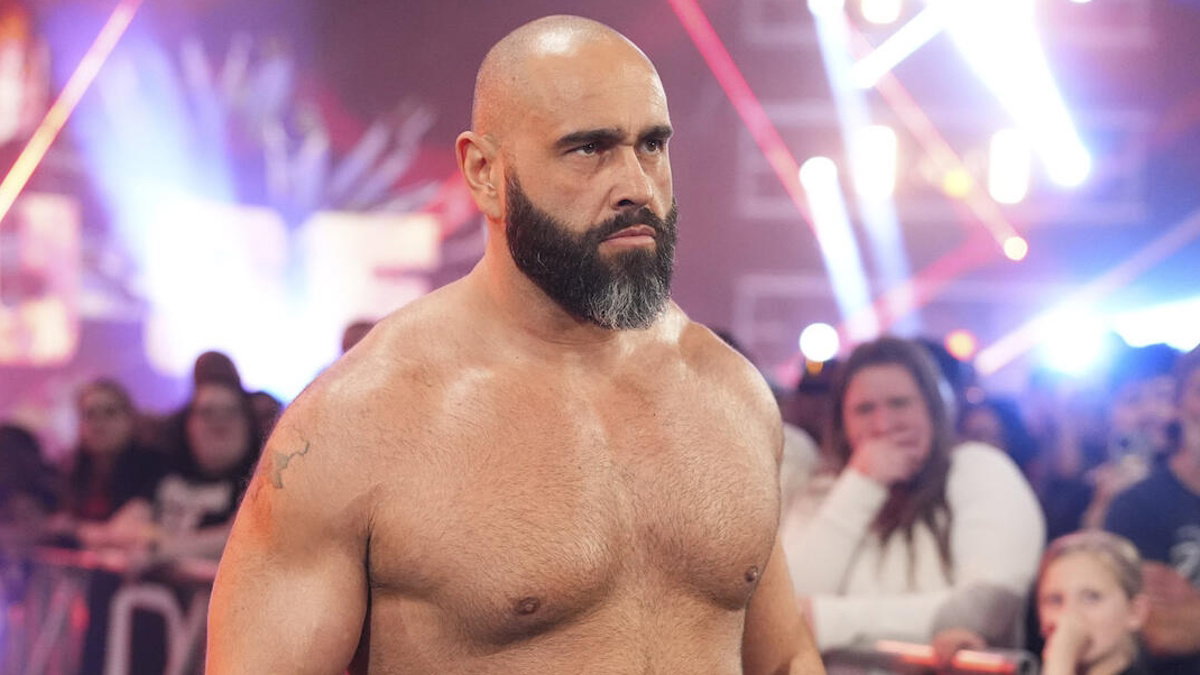
Miroslav Barnyashev, formerly known in WWE as Rusev, is currently sidelined with a Grade 2 medial collateral ligament sprain. The injury occurred during the inaugural training session at the newly opened KECH Pro Wrestling Academy in Nashville. Trainers on site confirmed the incident took place while Barnyashev was demonstrating a spinning heel kick, a signature strike from his tenure on the main roster.
Initial assessments from medical staff indicate that while the knee remains stable, the ligament requires significant rest to avoid surgical intervention. The recovery protocol involves a rigorous physical therapy schedule designed to manage inflammation and restore lateral stability. A return to active in-ring coaching duties is projected for mid-July, making him unavailable for any exhibition demonstrations through the end of the month.
Strategic pivot for the KECH curriculum
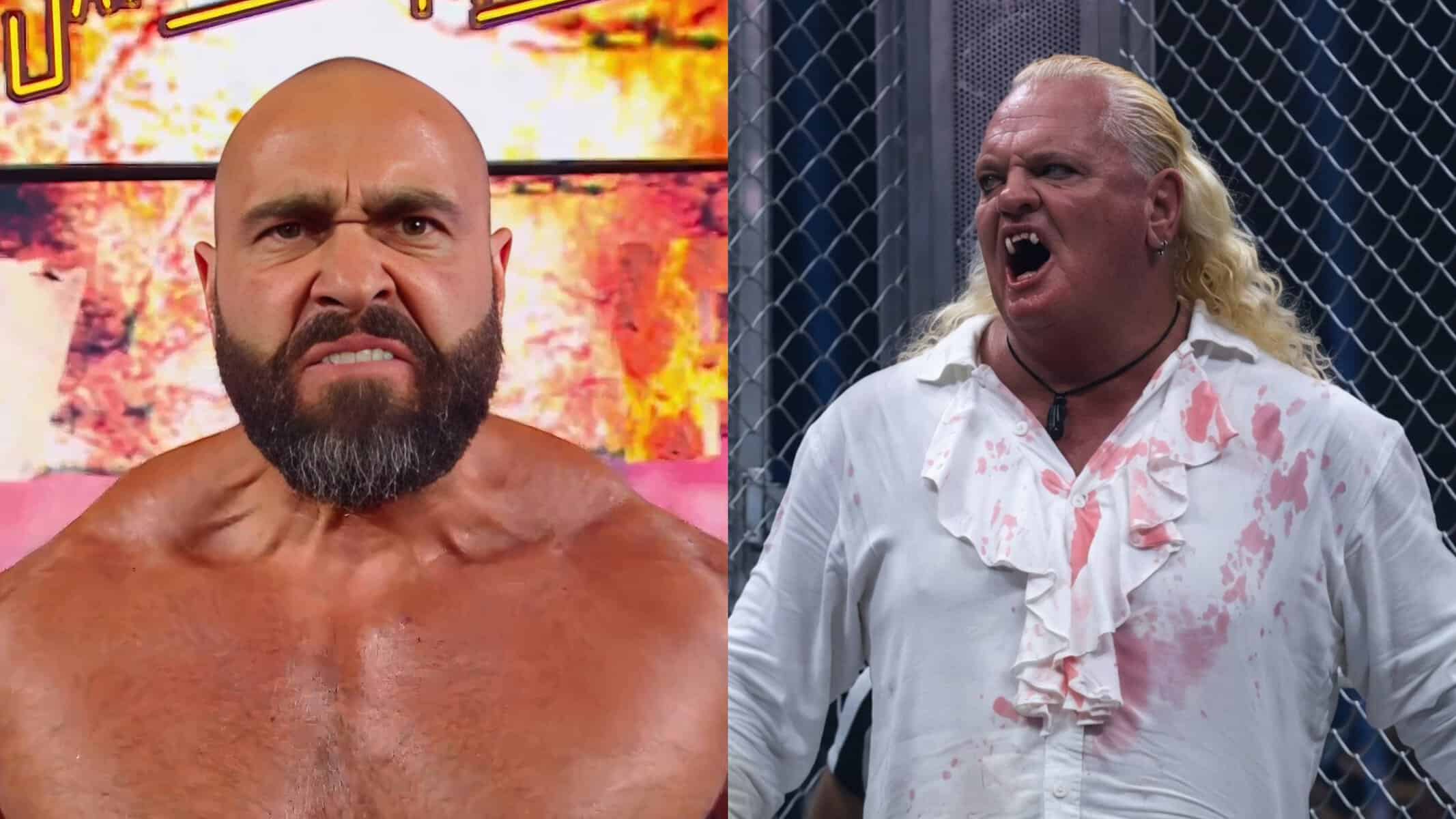
The timing of this injury is suboptimal for the academy, which officially opened its doors just days ago. With Gangrel acting as the primary head trainer during this rehabilitation period, the academy is shifting its focus toward technical mat work and hold-based conditioning. The loss of Barnyashev for live demonstrations forces a change in the immediate training roadmap for the Nashville student intake.
Managing a facility of this magnitude requires a heavy physical commitment, and this setback serves as a reminder of the inherent risks when veterans step back into the squared circle for instruction. Industry veterans often experience recurring knee issues after decades of bumps, and Barnyashev’s history of lower-body strain has been well-documented since his departure from major televised promotions. Overextending during the opening week has proven to be a strategic error in workload management.
The broader impact on the independent regional scene
Nashville has become a curious hub for indie talent, and the presence of both Barnyashev and Gangrel was expected to draw high-caliber trainees from across the South. Competitors in the region, including smaller independent promotions aiming to establish their own developmental partnerships, will likely see an uptick in enrollment traffic as the KECH facility navigates this initial transition. The standard for regional training just spiked, making these growing pains even more noticeable to locals observing the facility's expansion.
Injuries forcing promoters or lead trainers to step back are not uncommon in this business, yet they often disrupt the financial flow of new business ventures. The overhead costs of a facility that size require constant, active engagement to maintain, and a bench-ridden instructor cuts into the immediate marketing value of the academy. It remains to be seen if the KECH team can sustain student interest without the primary draw participating in live demonstrations.
As independent organizations like Wrestling Open continue to provide consistent broadcast product, the bar for amateur transition to professional utility has never been higher. Trainees expect a high level of agility and safety, and any interruption to the scheduled curriculum creates potential for attrition. Barnyashev will need to leverage the expertise of his coaching staff to maintain the expected rigorous pace throughout early summer. If the rehab timeline slips, the facility risks losing the momentum generated by its late-spring opening.
Ultimately, the medical necessity of this rest period takes priority over any administrative expansion. Avoiding a chronic meniscus tear after this MCL sprain is the primary medical goal. By July 15, we expect a full reassessment of his mobility, at which point the intensity of his presence on the mat will be adjusted based on his ability to pivot under pressure. For now, the academy remains open, but the man running the sessions is officially on the shelf.