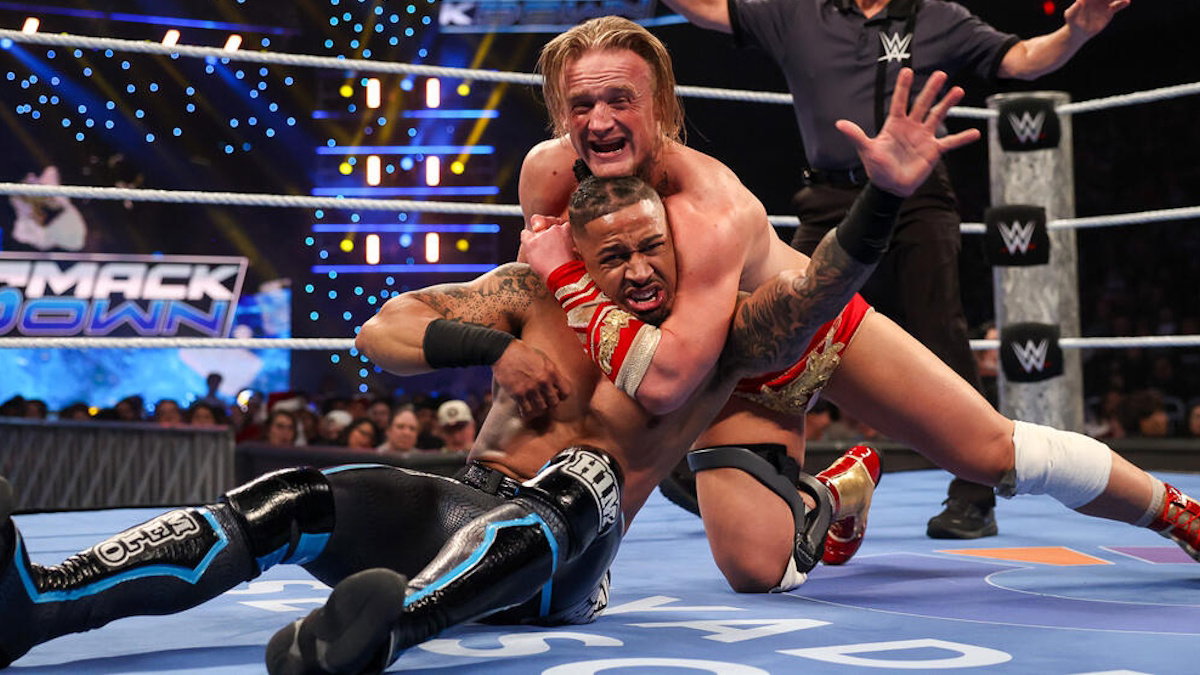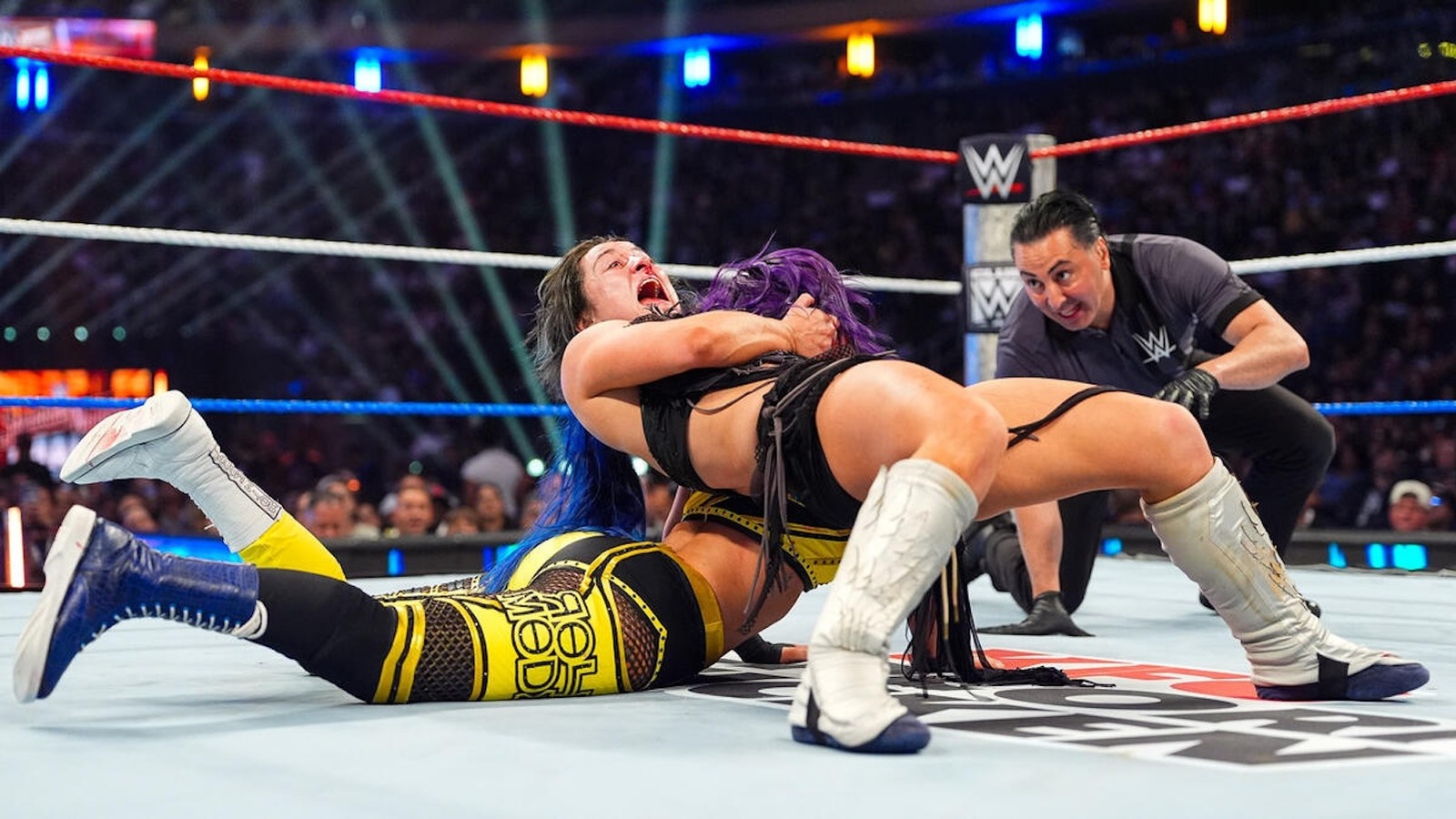
WWE medical staff manages heavy workload entering July
As the WWE roster moves toward the late July stretch, the medical training room is seeing a shift in volume. Reports confirmed today, July 20, 2026, that several top athletes are currently managing lingering soft-tissue issues that jeopardize immediate availability for prime television spots.
While the WWE machine continues to churn, the frequency of adjustments required for the weekly broadcast schedule remains high. Trainers are currently performing daily evaluations on workers who endured extensive physical contact during the most recent string of house shows.
The cost of high-intensity performance
Modern wrestling production demands continuous mobility, and repetitive strain remains the highest risk factor for full-time performers. Historical data shows that mid-summer schedules often correlate with a spike in joint inflammation and ligament stress, particularly for talent heavily featured in long-form matches.
Competitors logging heavy minutes in televised bouts through early July are showing signs of systemic fatigue. These athletes often push through mild discomfort until a full-blown tear or significant sprain mandates a sit-down order from the medical team. This approach frequently leads to extended absences instead of preventative short-term rest.
Strategic risks for upcoming cards
Booking concerns arise when top talent is sidelined during transitional cycles. If a featured performer is forced to miss time, the writing team must pivot on short notice, often disrupting ongoing feuds that had momentum. This cycle creates a trickle-down effect, impacting lower-card talent who are suddenly thrust into high-stakes windows before they are ready.
We have seen this specific issue before. When a primary champion faces a layoff, the belt loses visibility and booking complexity shifts toward filler content. It is a negative for the product, as fans quickly notice the loss of narrative momentum when the biggest stars are pulled from the lineup just days before a live event.
Recovery phases and return timelines
Standard recovery protocols involve a measured return-to-play process. Once a diagnosis is reached via MRI or physical assessment, the performance team dictates a tiered return. This usually begins with static conditioning, moving to light impact, and eventually full-contact simulation.
Rushing this timeline is rarely an option in the current iteration of the business. Management prioritizes long-term health over immediate short-term bumps. The focus rests on ensuring athletes return at 100% structural capacity to avoid re-injury during high-intensity sequences like top-rope maneuvers or high-velocity strikes.
The data behind talent availability
Detailed analysis of recent weekly lineups shows that at least two major programs faced forced retooling due to internal medical holds. While some fans see these absences as creative choices, many are direct results of training room decisions. Missing performers from the most recent winners and losers breakdown have highlighted the inconsistency at the top of the card.
The standard timeline for a moderate strain typically nets an absence of 3 to 6 weeks. Significant ligament concerns can extend this window significantly, often requiring surgical intervention if initial rest does not stabilize the joint. Failure to strictly follow these windows has caused recurring issues for mid-card talent in the past.
Operational impact on the creative department
The reliance on a thin tier of elite performers creates a fragile environment for creative leads. When one gear stops in the engine, the internal production meetings start over with hours to go before airtime. This reactive environment forces the team into short-term booking traps.
These traps include predictable finishes or repetitive match-ups used to bridge the gap until someone healthy returns. It is a flawed system that relies heavily on a handful of individuals to carry the bulk of the storytelling. Without a deeper, healthy roster, the product remains at the mercy of individual performance output.
Industry trends in recovery efficiency
Comparatively, the current medical standards are more rigid than they were five years ago. WWE has shifted toward a data-driven model where internal metrics dictate start times. Relying on sheer grit is no longer sufficient to bypass medical protocols, which serves as a shield for the talent against long-term career degradation.
Though the frustration from the audience over sudden card changes is obvious, the professional approach to injury management is arguably the most stable path forward for the business. A consistent injury rate is the inevitable tax on a schedule that functions year-round without a true offseason. Expect further updates as the medical staff clears talent for the upcoming August television tapings.