The quiet end to a loud career
The Clearwater Police Department issued their final assessment this past Friday regarding the passing of Hulk Hogan. The investigation concluded that the cause of death was natural, officially closing a file that speculation had kept open for far too many weeks.
For those who grew up watching the golden era of the WWF, this news lands with a strange, hollow finality. It removes the mystery but highlights the stark transition from the larger-than-life figure we saw on television to the reality of an aging legend passing away in his own home.
The mismatch between myth and reality
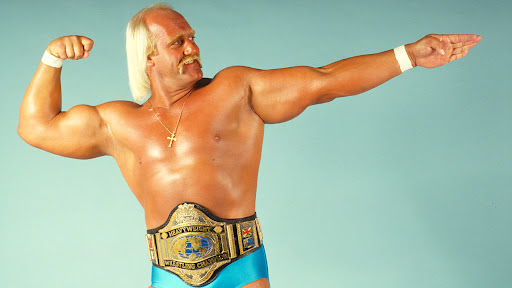
Hogan was never just a wrestler; he was the primary engine of a company that redefined global entertainment. In the 1980s, his presence allowed the business to move from smoky territory arenas into Madison Square Garden and eventually the Silverdome.
We spent decades dissecting his leg drop, his limited moveset, and his relentless ability to stay in the spotlight. Those who watched his peak matches—specifically the 1987 showdown against Andre the Giant—understand exactly how he synthesized charisma with basic, effective psychology.
Yet, the later years were markedly different. Witnessing him attempt to recreate that energy in TNA or during his final runs in WWE was often difficult for fans who remembered the 1984 version of the Hulkster. That contrast is a necessary part of any honest analysis of his career.
Reflecting on the final count
The police report leaves no room for conspiracy. Investigators combed through the scene, finding no criminal wrongdoing or external factors, according to the official statement from the Clearwater authorities. It was, simply, the end of a long life lived at a pace most people could not fathom.
It is worth noting that while his in-ring technical skills were consistently criticized by modern standards, his ability to manipulate a crowd was unmatched. Whether being cheered in a sold-out arena or booed as a Hollywood heel, he dictated the temperature of every room he entered.
Some will argue his impact was inflated by the corporate machine. Still, the numbers don't lie regarding his pay-per-view buy rates during the peak of his career. As Ringside News recently documented, the finality of this police investigation serves as a somber full stop on a narrative that spanned four decades.
I suspect the upcoming Hall of Fame tributes will focus exclusively on the pyrotechnics and the red-and-yellow merchandise. That is predictable, but it ignores the complexity of a man who remained a lightning rod until his final day. A more honest look at history is required, even if the industry prefers the cleaned-up version of his biography.
My prediction? The wrestling world will move on quickly, perhaps uncomfortably so. The industry is wired to replace icons faster than the fans can mourn them, and with the upcoming global focus shifting to other sports, Hogan will likely become a static figure in a history book rather than the active subject of legitimate, critical discourse.