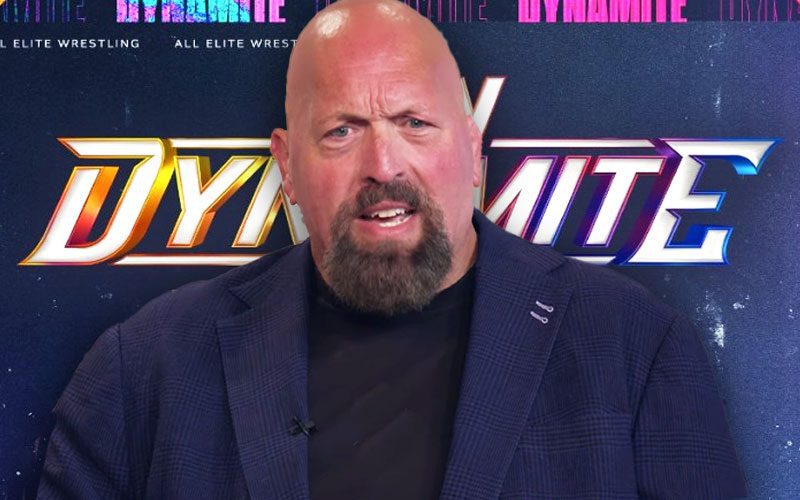
Paul Wight just dropped a piece of wrestling history that doubles as a terrifying orthopedic hypothetical.
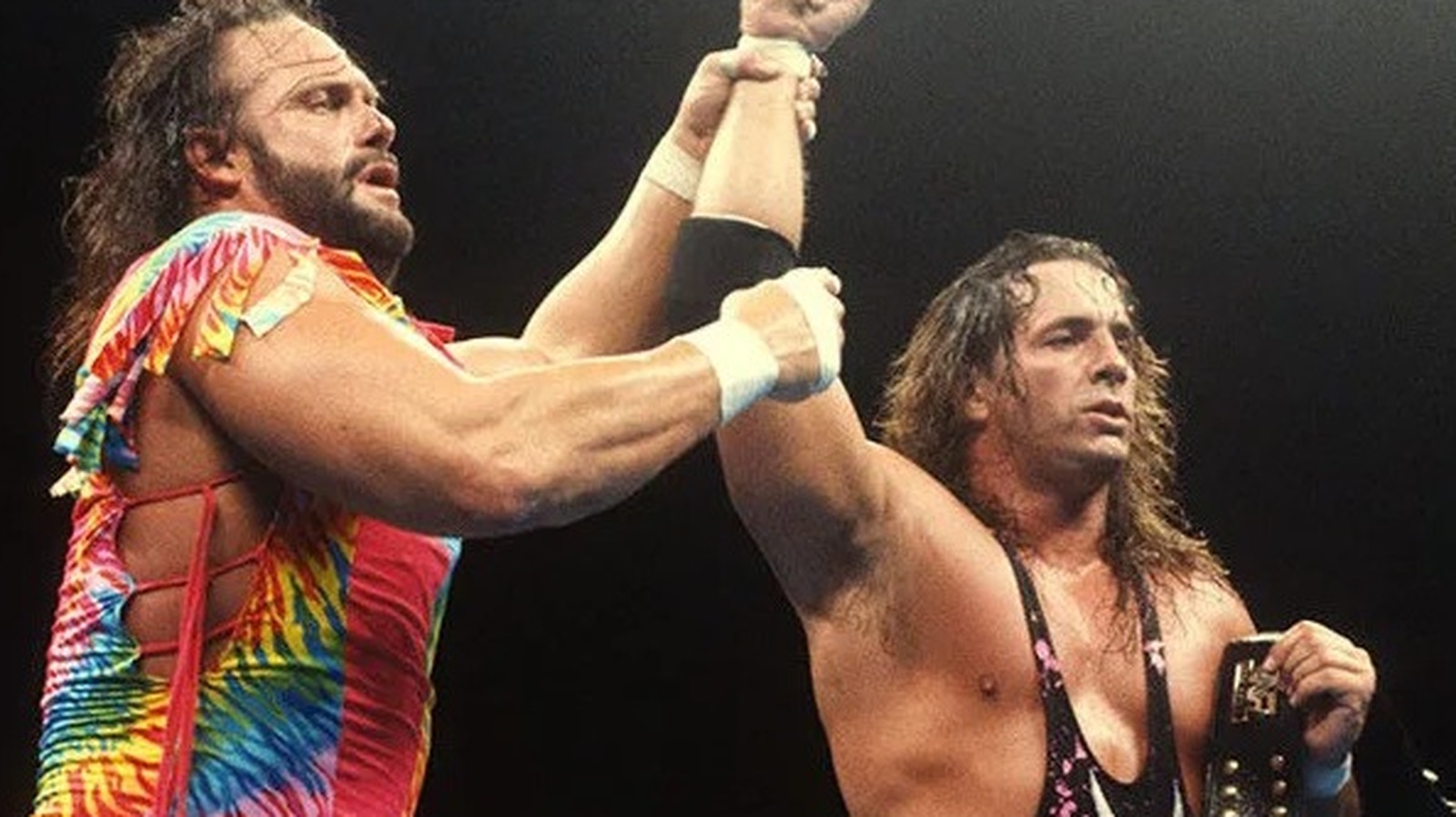
Speaking about his early days in WCW, Wight revealed to WrestlingNews.co that Hulk Hogan issued a direct ultimatum. If Wight ever threw a top-rope dropkick again, Hogan would simply refuse to work with him. The internet immediately reacted to the backstage politics. Fans love a story about Hogan holding down younger talent.
But looking at this through a sports medicine lens changes the story entirely. Hogan’s threat wasn't just about protecting his main event spot. It was a mandatory medical intervention. Hogan likely saved Wight from a career-ending joint failure before the year 2000.
The Anatomy of a Catastrophic Bump
Let’s break down the sheer physical trauma of a top-rope dropkick for a man of Wight’s dimensions. In 1995, Wight tipped the scales at well over 400 pounds. When a wrestler performs a missile dropkick, they propel their center of mass horizontally and vertically. The launch itself requires immense explosive force from the quadriceps and calves.
This puts extreme shear stress on the patellar tendon. The takeoff is dangerous enough. The real destruction happens on the landing.
Unlike a standard back bump which disperses kinetic energy across the broad surface of the latissimus dorsi, a dropkick bump is an uncontrolled collision. The wrestler often lands awkwardly on their side. They take the direct, unmitigated impact on the hip and lateral aspect of the ilium.
We are talking about thousands of pounds of compressive force hitting the hip joint in a fraction of a second. The hyaline cartilage in the hip and knee is absolutely not designed to absorb the sudden deceleration of a quarter-ton human falling freely from six feet. The synovial fluid provides zero protection against that level of blunt force trauma.
WCW's Unforgiving Environment
WCW rings in the mid-1990s were notoriously unforgiving. They were built with rigid steel cables and stiff wooden planks. They prioritized stability for heavyweights over shock absorption for high flyers. If Wight had made the top-rope dropkick a regular part of his arsenal, the degradation of his articular cartilage would have been exponential.
He wouldn't just be dealing with the standard wear and tear of a wrestling career. He would have been staring down bilateral hip replacements by age thirty. The blunt force trauma to the bursa sac alone would have caused chronic, debilitating inflammation.
The primary impact zones for a giant attempting a dropkick bump are terrifying for any orthopedic surgeon to consider:
- The Greater Trochanter: Taking direct, unmitigated blunt force trauma upon lateral impact with the mat.
- The Lumbar Spine: Absorbing massive shockwaves that rapidly accelerate disc degeneration.
- The Patellar Tendon: Facing extreme shear stress during the explosive takeoff from the turnbuckle.
The Hypocrisy of Hogan's Warning
There is a profound irony in Hulk Hogan being the one to issue this warning. Hogan's own finishing move, the atomic leg drop, is a well-documented biomechanical disaster. Decades of landing squarely on his tailbone compressed his lumbar spine. This directly led to severe spinal stenosis, multiple fusions, and chronic daily pain for the Hall of Famer.
The upcoming Netflix documentary on Hogan is reportedly slated to run for four hours across four episodes. It will undoubtedly cover his massive cultural footprint and backstage dominance. Hopefully, it also addresses the severe physical toll of his specific ring style.
Hogan knew exactly what repetitive high-impact bumps do to a large frame. By shutting down Wight's aerial ambitions, he inadvertently acted as a crude, albeit selfish, orthopedic consultant.
Protecting the Asset
Modern professional wrestling frequently ignores these biological limits. We routinely see athletes of all sizes performing high-risk maneuvers that their bodies simply cannot sustain. But the human skeleton has a strict weight limit for flight.
Keiji Mutoh spent his entire career hitting the moonsault. He ended up needing total artificial replacements for both knees. Matt Hardy's relentless use of the top-rope leg drop permanently fused his lower back. When a super-heavyweight attempts these physics-defying stunts, the margin for error drops to absolute zero.
Beyond the medical disaster, there is the psychological side of sports entertainment. As Ringside News recently noted, Cody Rhodes — who is mere days away from defending the WWE Championship at WrestleMania 41 — stated there is only one condition under which he would ever change his WWE theme song.
Rhodes understands that presentation is everything. His music, his entrance, his pacing all construct a specific aura that fans buy into. Hogan understood the exact same thing about Wight. A giant shouldn't be flying through the air like a cruiserweight. It ruins the visual illusion of an immovable object. It turns a terrifying monster into a circus act.
The Expected Timeline of Ruin
The medical reality remains far more compelling than the booking logic. When a massive athlete leaps from the top turnbuckle, gravity always collects its tax. The human skeleton is a marvel of engineering. It is still bound by the laws of physics.
The tensile strength of ligaments and the compressive tolerance of cartilage cannot simply be willed into handling a massive dropkick bump. Every single time Wight launched himself off the ropes, his ACL and PCL were playing Russian roulette.
Wight eventually required significant surgical interventions later in his life. He underwent extensive hip replacement surgery and dealt with severe knee issues that temporarily sidelined him from all physical activity. His joints bore the brunt of his massive frame for decades.
Even without the top-rope dropkicks, the daily grind of stepping over the top rope took a massive toll. Taking chokeslams, body slams, and simply supporting his own walking weight caused massive degenerative joint disease over a thirty-year span. The rehabilitation process for his hip resurfacing was grueling. It required months of intense physical therapy just to regain basic mobility.
A Rare Victory for Common Sense
If we factor in the hypothetical trauma of regular high-altitude bumps, Wight's expected timeline for resolution wouldn't be measured in months of rehab. It would have been the abrupt, tragic end of his athletic career. The sheer impact force would have rapidly accelerated severe osteoarthritis in his major weight-bearing joints.
The articular cartilage would have worn down to the bone by the late 1990s. We would be talking about early-onset joint failure, massive bone spurs, and chronic inflammation. There would be no long, storied career spanning multiple eras of professional wrestling.
Fans love to criticize Hulk Hogan for his backstage politicking and legendary ego. Much of that criticism is entirely justified and backed by decades of locker room testimony. He famously derailed the momentum of younger stars to keep himself securely anchored in the main event spot.
But in this one specific instance, his massive ego served a vital, undeniable medical purpose. He stopped a young, eager giant from destroying his own hips for a cheap pop on Monday Nitro.
Paul Wight wanted to show off his freakish, unheard-of athleticism to the world. Hulk Hogan forced him to stay on the mat, rely on his sheer size, and work a methodical pace. The wrestling world got decades of The Big Show solely because of that selfish intervention.
Sometimes the worst motives produce the best medical outcomes. Wight avoided the catastrophic injuries that end careers prematurely. He learned to work like a traditional big man. He grounded his offense, protected his joints, and extended his shelf life by twenty years.
The top-rope dropkick is a fantastic visual. For a man of Wight's size, it is also a guaranteed orthopedic disaster. The bump was permanently shelved. The knees were saved. It is a rare victory for common sense in an industry that usually actively despises it.