The geometry of violence
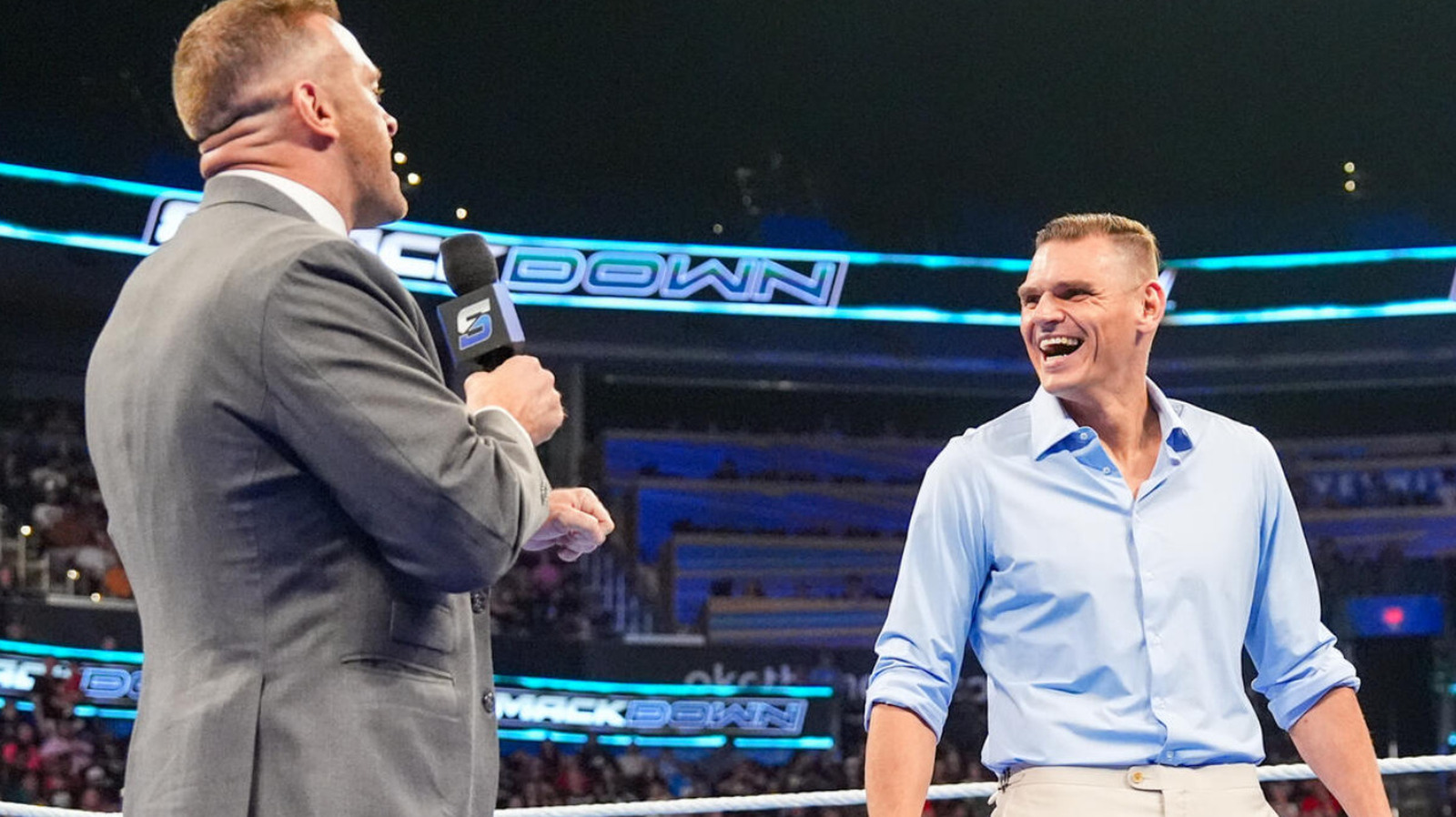
The shift to Netflix hasn't changed the fundamental geometry of a WWE ring. It is still 20 by 20. Ropes, canvas, turnbuckles. But the pacing of Monday nights has undoubtedly shifted, and tonight's episode presents a fascinating stylistic collision.
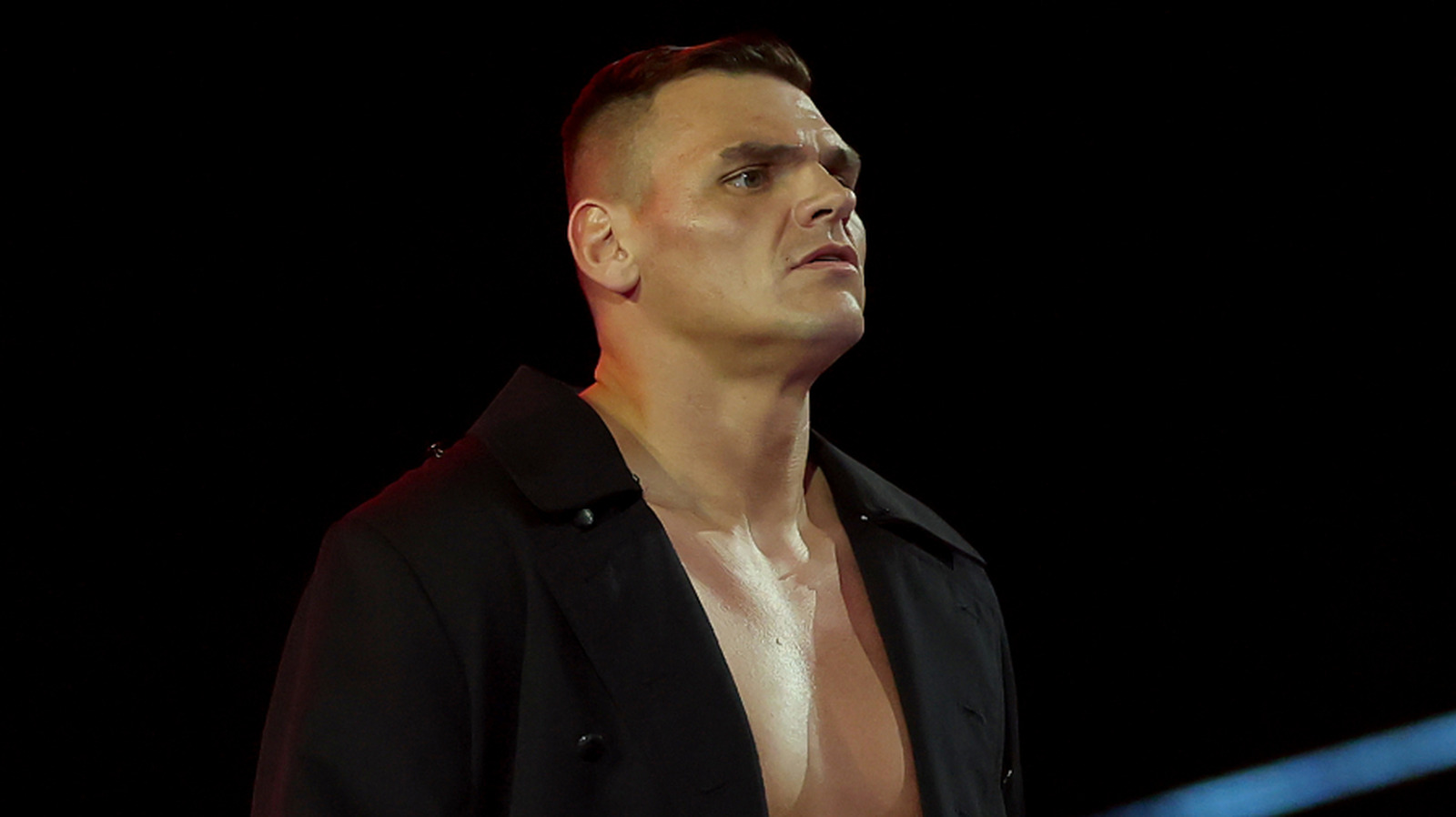
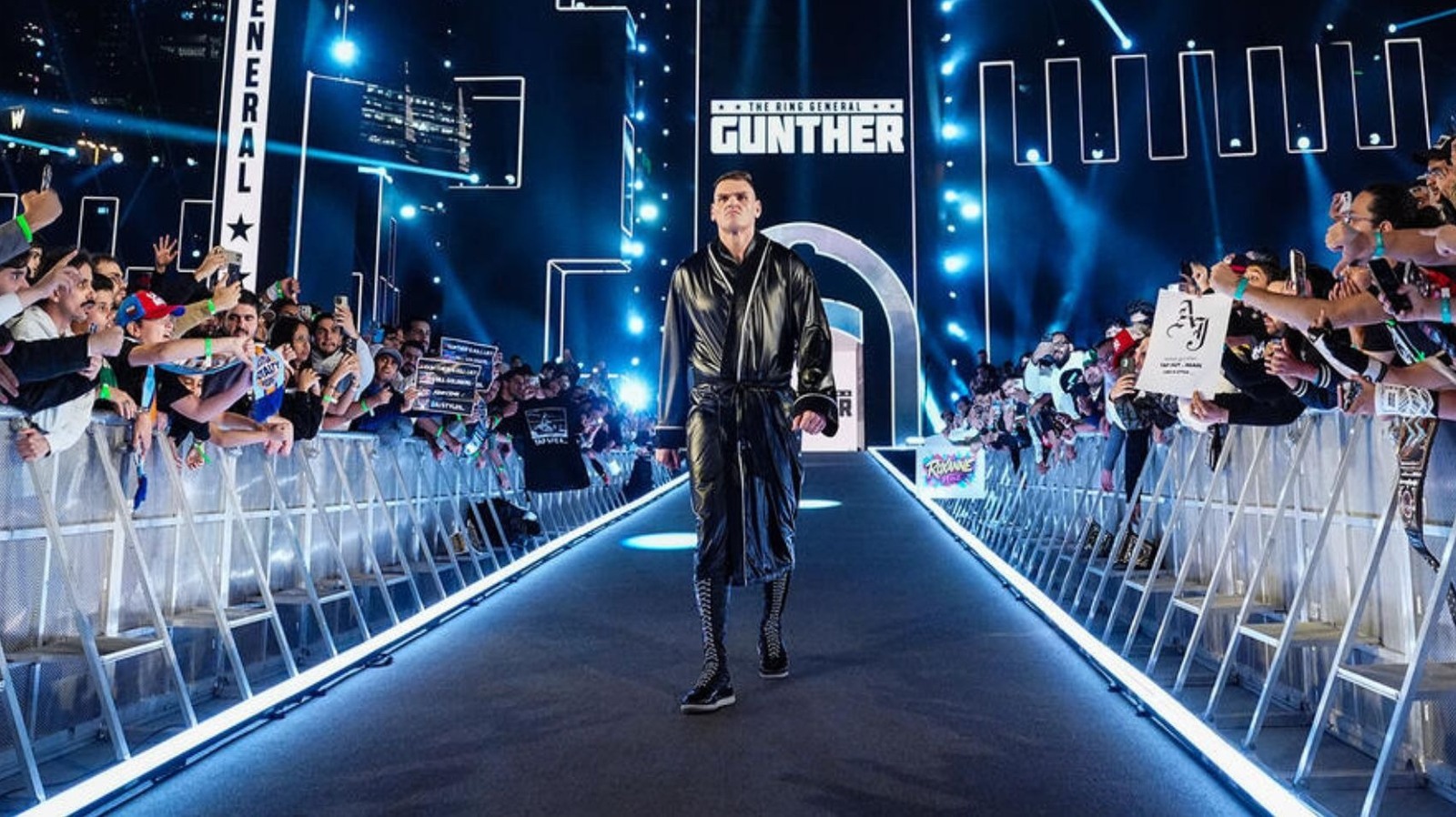
Gunther defends the World Heavyweight Championship against Ilja Dragunov. As PWInsider outlined in their preview, this is the anchor of the broadcast. It is also a match that will make everything else on the card look like it's moving in slow motion.
We have seen this match before. NXT UK. NXT TakeOver 36. But the main roster environment changes the variables. Gunther operates on spatial dominance. He rarely runs. He walks, deliberately cutting off the ring, forcing his opponents into the corners where his chopping mechanics are most effective.
Look at his hips when he delivers the overhand chop. He doesn't just swing his arm. He rotates his core, generating torque that transfers directly into the opponent's sternum. It is a masterclass in kinetic efficiency.
The Dragunov counter-press
Dragunov is the stylistic kryptonite to Gunther's deliberate pacing. If Gunther is a low block, Dragunov is a relentless, chaotic high press.
Dragunov does not retreat. When hit, his primary defensive mechanism is to step forward. This ruins Gunther's preferred striking distance. By stepping inside the arc of the chop, Dragunov turns a devastating blow into a manageable one, while simultaneously putting himself in range for a short-arm lariat or an enzuigiri.
The key variable tonight is the Torpedo Moskau. Dragunov needs a runway for it. Gunther knows this. Watch how Gunther positions himself relative to the ropes tonight. He will likely stay near the center of the canvas or intentionally back himself into a corner to deny Dragunov the necessary acceleration distance.
It is ring positioning chess, played at a sprint, with extreme prejudice.
Where the booking fails Ripley
While the main event offers tactical brilliance, the rest of the Raw card continues to suffer from structural pacing issues. We need to talk about Rhea Ripley.
Ripley is arguably the biggest star in the women's division, but her current booking is a glaring flaw in the Netflix era. She is trapped in a cyclical, repetitive feud with the remnants of The Judgment Day that relies almost entirely on run-ins and distraction finishes.
It is actively hurting her aura.
Ripley is a powerhouse. Her ring work is predicated on explosive power and dominant grappling. Yet, she is constantly being booked in angles where she is outsmarted or overwhelmed by numbers. It makes her look tactically naive. The creative team is confusing vulnerability with sympathy. You do not build sympathy for a powerhouse by having them constantly outwitted by basic interference traps.
She needs a clean, 15-minute wrestling match to re-establish her baseline dominance. Instead, tonight's preview suggests another mixed-tag or faction-heavy brawl. It is a massive waste of her prime athletic years.
The mechanics of the Breakker spear
Elsewhere on the card, Bron Breakker continues his systematic dismantling of the midcard. Breakker's offense is fascinating because it is entirely linear.
He does not waste energy on lateral movement. When he runs the ropes, his footwork is incredibly precise. He hits the second rope at a sharper angle than almost anyone in the industry right now, including Roman Reigns or even Bill Goldberg in his prime.
This sharp angle allows him to push off with maximum force, converting horizontal speed into kinetic energy for the spear. Opponents taking the spear look broken in half because the physics of the impact are genuinely overwhelming.
The problem for his opponents is the threat of the spear dictates their footwork. They are constantly circling, trying to avoid giving him a straight line. This burns energy and makes them susceptible to his secondary offense, specifically the powerslam.
Midcard spacing issues
Let's look at the tag team division. DIY and The New Day are scheduled for a contender's match. This highlights a recurring spacing issue on Raw.
DIY works an intricate, heavy-rotation style. Johnny Gargano and Tommaso Ciampa rely on rapid tags and isolating a single opponent in their corner. The New Day, specifically Xavier Woods and Kofi Kingston, operate best in transition, using the middle of the ropes for springboard offense.
When these two teams clash, the ring often feels too small. The refereeing on Raw lately has been extremely loose with the standard five-second double-team count. If the referee tonight allows DIY to essentially work a handicap match for extended stretches, The New Day's transitional game will be completely smothered.
- Watch Gargano's positioning on the apron.
- He rarely stands flat-footed.
- He stays on the balls of his feet, ready to break a pin or accelerate into a blind tag.
It is the small details that win these high-stakes television matches.
The final verdict
Tonight's broadcast will live or die on the main event. The undercard is a mix of spectacular athletes trapped in predictable creative loops and tag teams fighting against loose officiating.
But Gunther and Dragunov are incapable of having a bad match. Their internal pacing is too good. Their understanding of contact and consequence is too high.
Expect Dragunov to target Gunther's left knee early, trying to compromise the base of the powerbomb. Gunther will counter by targeting Dragunov's neck, setting up the sleeper hold to drain the challenger's chaotic energy.
Dragunov will survive the first powerbomb. He will kick out in the 90th second of the finishing sequence. But Gunther is too methodical. He won't panic. He will simply adjust his grip, transition to a short-arm lariat, and fold Dragunov in half.
Gunther retains. The match goes 22 minutes. It will be violent, precise, and completely exhausting to watch.