The most reliable machine in professional wrestling
You know exactly what you are going to get when the opening notes of Dvorak's Symphony No. 9 hit the arena speakers. The crowd quiets down. The atmosphere shifts.
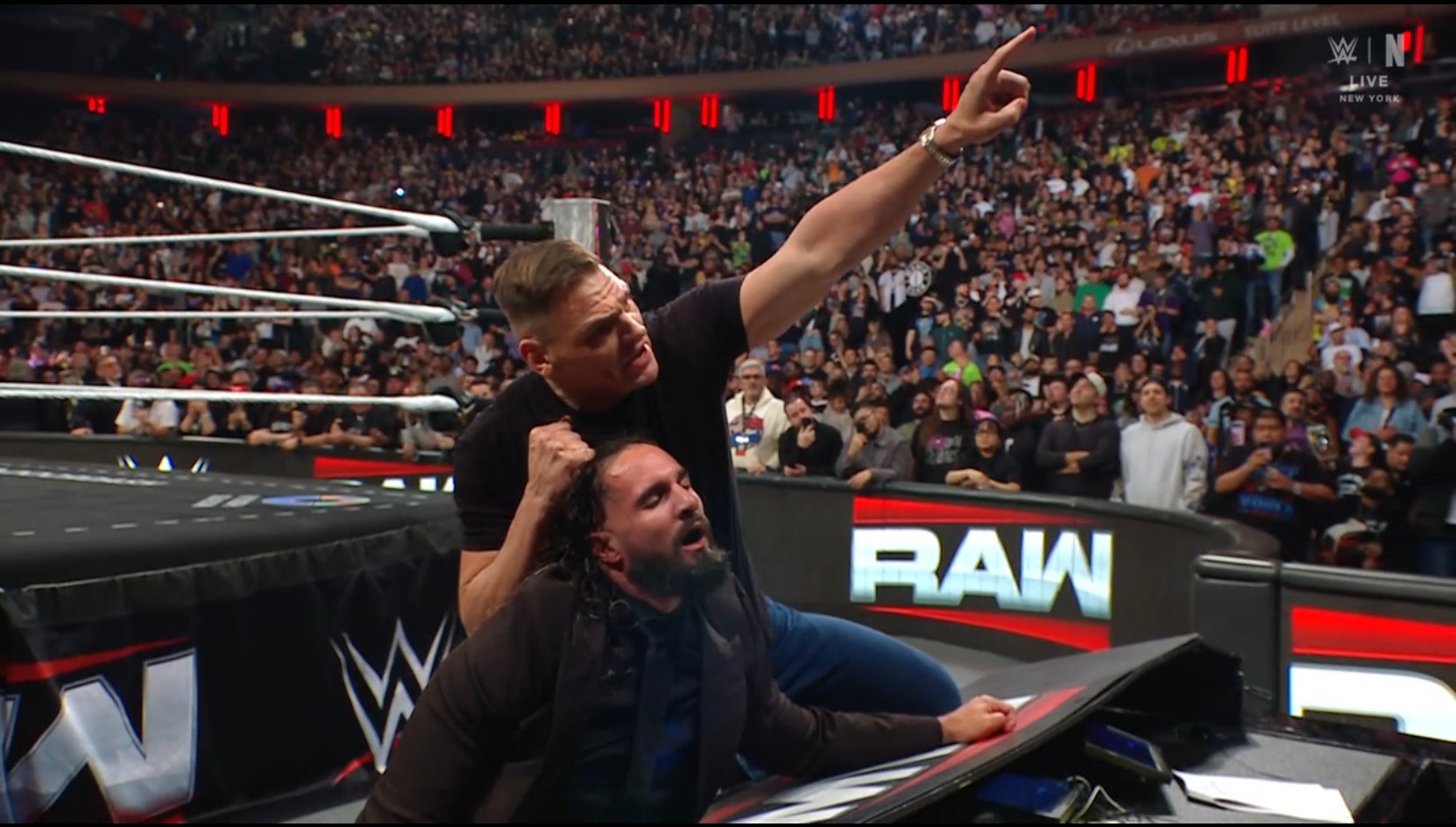
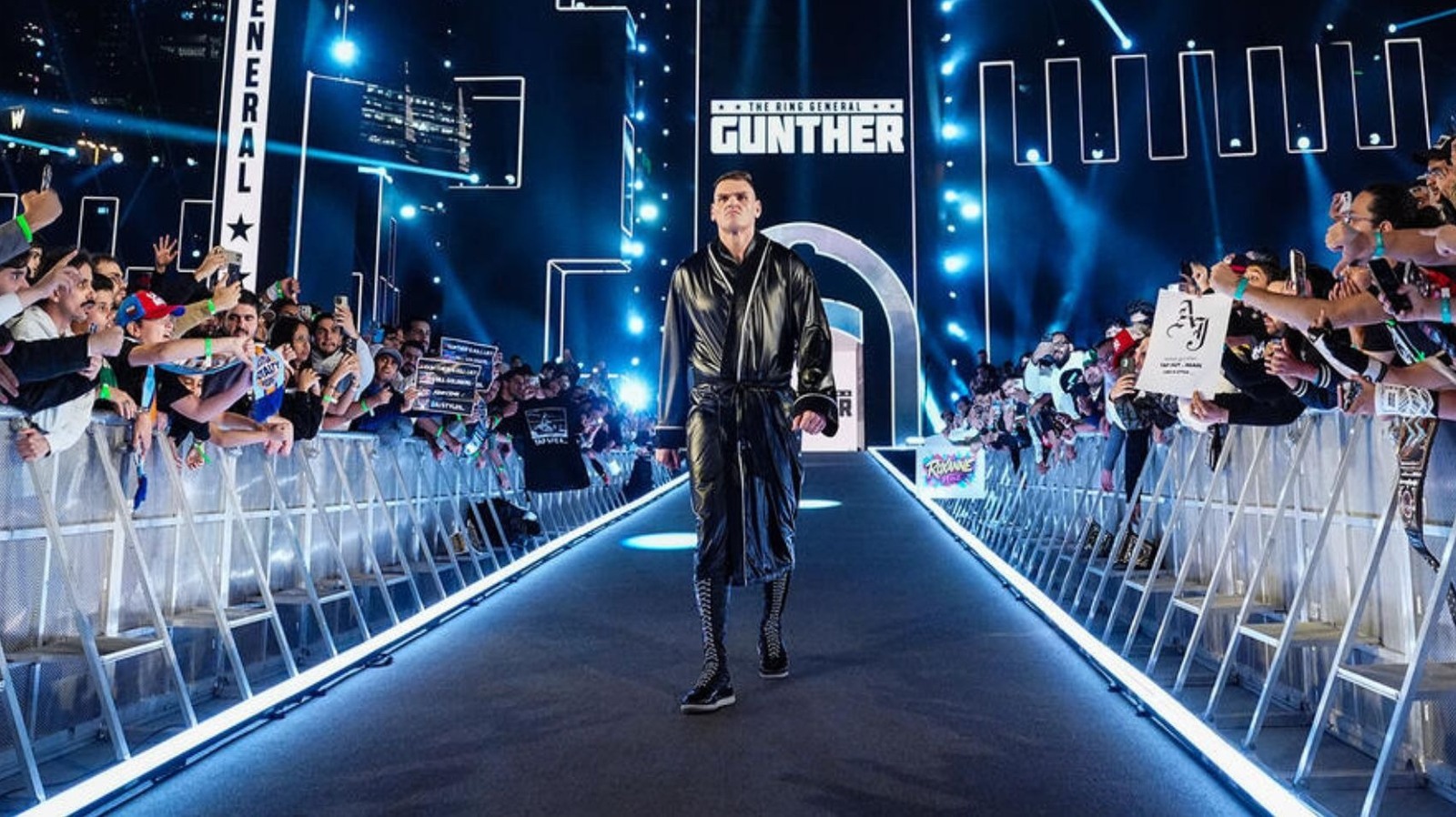
Gunther marches down the ramp with the kind of stern, unsmiling focus that makes everyone else on the roster look like they are playing dress-up. He does not pander. He does not point at the crowd.
He just walks to the ring like a man clocking in for a very violent shift at the factory.
We are just weeks away from WrestleMania 41 at Allegiant Stadium in Las Vegas. The card is loaded with massive spectacle. We have John Cena's farewell tour looming large.
We have the endless, exhausting soap-opera drama of the Bloodline taking up forty minutes of television time every single week. But amidst all the sports entertainment chaos, Gunther remains the absolute anchor of actual, hard-hitting professional wrestling.
He is the ultimate problem solver for WWE creative. Need a great match on a B-level premium live event? Put Gunther in there. Need someone to legitimize a newly pushed babyface? Have them survive fifteen minutes with The Ring General.
He has become a cheat code for Triple H and the booking committee. You just scribble 'Gunther kills a guy' on the dry-erase board and hit the golf course, knowing you have a guaranteed banger in your back pocket.
But that extreme reliability is starting to mask a deeper issue with how the main roster is constructed, and nobody really wants to talk about it.
The formula of violence
Let us talk about the matches themselves. They are incredible, obviously. You would have to be blind or actively hating professional wrestling not to appreciate what the man does between the ropes.
He has essentially resurrected a style of wrestling that most people thought died out in the mid-1990s. His offense is built entirely on fundamentals. There are no wasted movements.
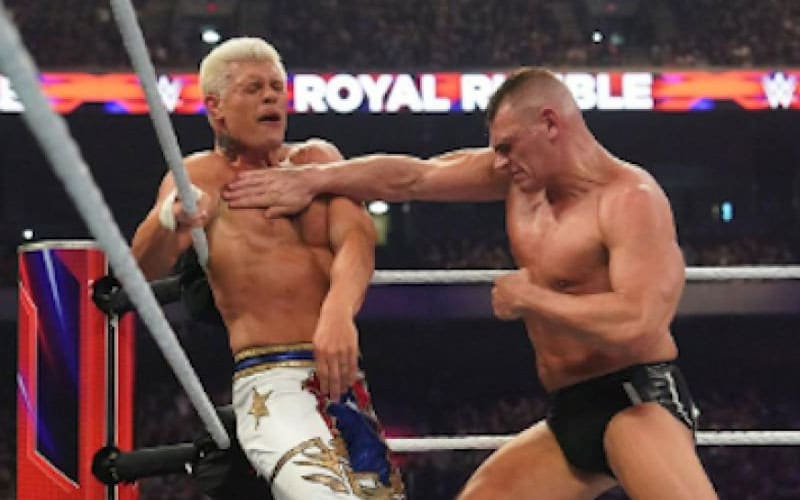
There are no overly choreographed sequences that require his opponent to stand perfectly still and wait to catch him. He hits you. Hard. He chops the absolute life out of people.
When he lands a lariat, it looks like a legitimate car crash. When he locks in a sleeper hold, he wrenches it with a terrifying intensity.
He does not need to do a twisting splash off the top rope to pop the crowd. He just needs to slap a grown man across the chest so loudly that the sound echoes through a massive stadium.
Yet, if we are being completely honest, a noticeable formula has crept into his big title defenses. It is a very good formula, but it is a formula nonetheless. The bell rings.
Gunther dominates the early going with superior mat wrestling and brute strength. The babyface makes a fleeting, desperate comeback, only to get violently cut off by a brutal big boot or a sickening chop.
We then get five to seven minutes of agonizing heat, usually involving those signature, skin-tearing strikes to the chest. The babyface eventually fires up, hits their signature moves in rapid succession, and gets a believable near-fall.
The crowd bites on it every single time. It is the WWE equivalent of playing the greatest hits. You know the chorus is coming, and you are going to sing along anyway.
Then Gunther simply hits a powerbomb or a lariat, and it is over. It works. The crowds love it.
But the repetition is getting harder to ignore. We are watching variations of the exact same narrative structure, just with different victims.
The matches are spectacular, but the journey to the finish line is feeling heavily mapped out. The spontaneity that defined his early main roster run is slowly being replaced by a comfortable, predictable rhythm.
Carrying the workrate burden
This brings us to the real problem. Gunther is so exceptionally good at what he does that WWE has functionally outsourced their entire standard for in-ring excellence to one man.
Look at the rest of the card heading into Las Vegas. You have the massive storylines, the emotional farewells, and the grand spectacles.
But when you ask hardcore fans what match they actually want to watch from bell to bell, the answer almost always revolves around whoever Gunther is fighting.
He has become the designated 'workrate guy' on a roster that desperately needs more depth in that department. When he isn't on the card, the drop-off in sheer physical intensity is glaring.
You can really feel his absence on a three-hour episode of Monday Night Raw. The whole show suddenly feels like it's moving underwater.
It is a double-edged sword. On one hand, it makes him feel incredibly special. On the other hand, it forces him to carry a tremendous burden.
If Gunther has an off night—which rarely happens, but still—the entire in-ring quality of a premium live event can suffer significantly. He is basically carrying the in-ring credibility of an entire billion-dollar company on his broad Austrian shoulders.
WWE is leaning entirely too hard on his ability to drag a brilliant match out of anybody. It is lazy booking disguised as historical dominance.
The contrast with the modern wrestling scene
Just look across the aisle at the competition. AEW Dynasty is happening on March 30, right before WrestleMania week.
That show will feature guys doing hyper-athletic, state-of-the-art maneuvers at a breakneck pace. You will see Canadian Destroyers on the ring apron and triple backflips through tables. The modern style is fast, dangerous, and incredibly complex.
Gunther actively rejects all of that. He looks at a springboard cutter with absolute disgust. He slows everything down.
He forces the audience to pay attention to the struggle rather than the spectacle. In an era where every indie kid wants to go viral on TikTok for a crazy gymnastics sequence, Gunther just wants to make his opponent require ice packs and aspirin.
WrestleMania 41 is going to be a fascinating case study in how WWE views him long-term. The main event scene is currently dominated by Cody Rhodes, CM Punk, and the sprawling Bloodline saga.
Those are character-driven, narrative-heavy feuds. They rely on promos, run-ins, and long-term storytelling. Gunther does not fit neatly into that world.
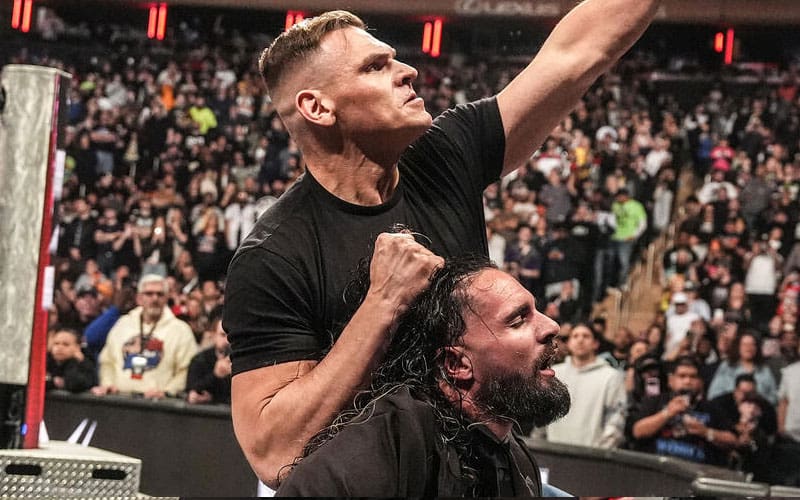
His stories are told almost entirely through physical punishment. He is not going to cut a twenty-minute monologue about his inner demons.
He is functional on the microphone, but let's be real: nobody is confusing him with CM Punk or John Cena. He says what he needs to say, mostly in short, clipped sentences, and relies on a permanent scowl to do the rest of the heavy lifting.
When WWE forces him to stand in the ring and trade witty banter for fifteen minutes, it gets awkward fast. You can clearly see the seams starting to show.
This creates a bizarre dynamic where Gunther often feels like he belongs in a completely different promotion entirely. While everyone else is filming cinematic backstage vignettes, he is just waiting in the ring to maim somebody.
He relies heavily on Ludwig Kaiser to add the necessary theatrical flair to his presentation. Kaiser is out there doing the heavy lifting for the entertainment side, acting like a snooty cartoon villain, while Gunther just stands there looking like an angry bouncer.
Stop hallucinating the future
The dirt sheets and rumor mills are always churning out absolute garbage. People are constantly looking months or even years down the line, trying to fantasy-book the next decade of wrestling.
We get vague backstage updates about statuses for events that are literally years away. People are getting worked up over rumors for a WrestleMania that doesn't even have a logo yet.
It is exhausting. Wrestling fans have this bizarre sickness where they refuse to enjoy what is happening right now.
We have WrestleMania 41 literally staring us in the face. The event is on April 19 and 20. It is the biggest weekend of the entire year in Las Vegas, for crying out loud.
Why are we wasting time agonizing over abstract future booking plans when the current product is right in front of us? Gunther's status for the immediate future is all that matters.
He is healthy. He is performing at an elite level. He is heading into Allegiant Stadium with the kind of momentum that most professional wrestlers spend their entire careers chasing.
He is going to walk down that massive ramp, look mildly annoyed by the fireworks, step through the ropes, and deliver the best wrestling match of the entire weekend. That is not a prediction. That is just a statement of fact.
The criticisms about his match formula are completely valid. The concerns about WWE relying too heavily on his specific brand of workrate are very real. The microphone work still needs polish.
But when the bell rings, all of that instantly fades away. You are left watching a masterclass in brutality. Let the internet argue blindly about where he will be two years from now.
I am just going to sit back and enjoy watching him chop the soul out of whoever is unlucky enough to stand across from him in Nevada.
Read Next
- Why Randy Orton's brutal heel turn is exposing WWE's biggest creative flaw
- Top 10: Top Moments
- Bad News Brown was the original Stone Cold and WWE finally knows it
- Booking Danhausen in WWE is going to be harder than it looks
- 🏆 WrestleMania 41 — Full Coverage Hub
- 💥 WWE Backlash 2026 — Full Coverage Hub