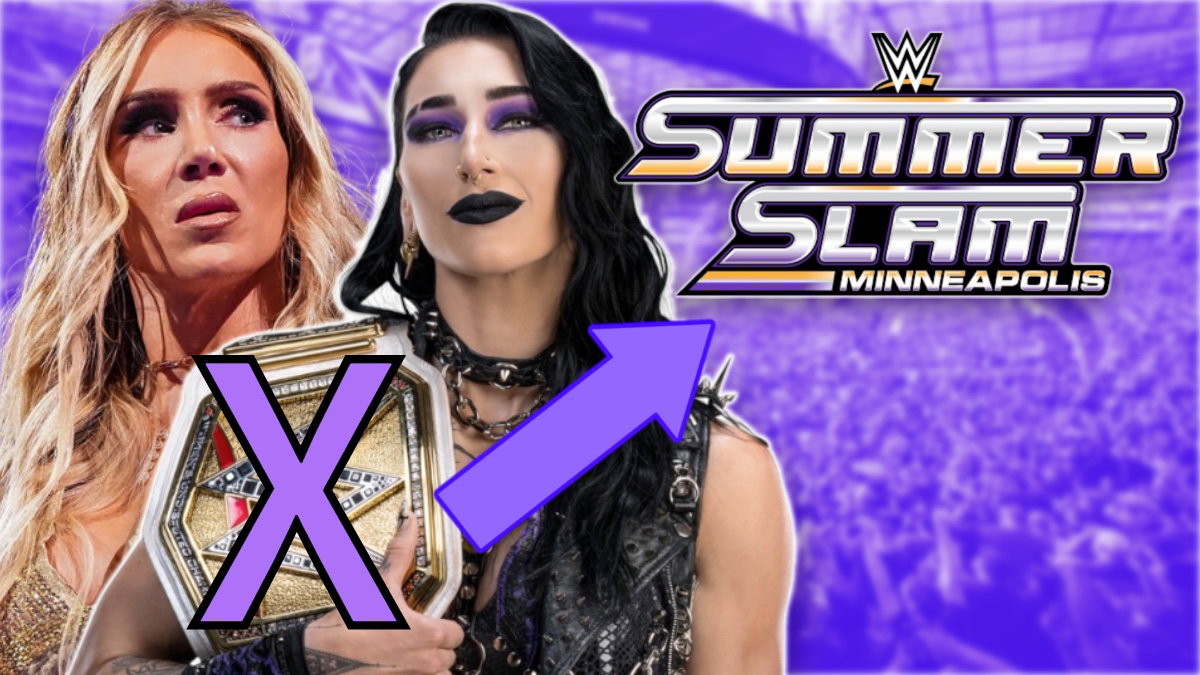
The scramble for the vacant gold
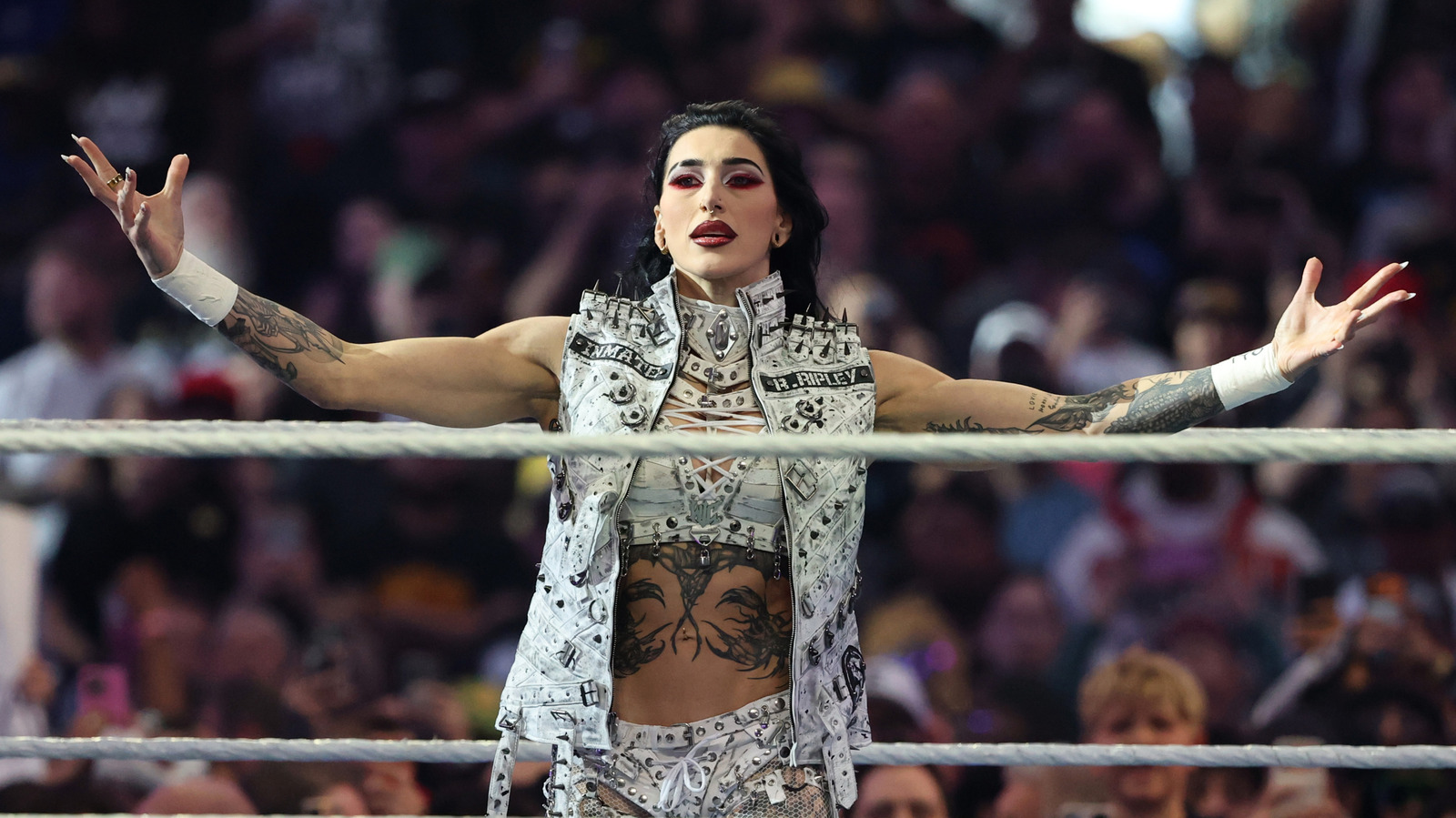
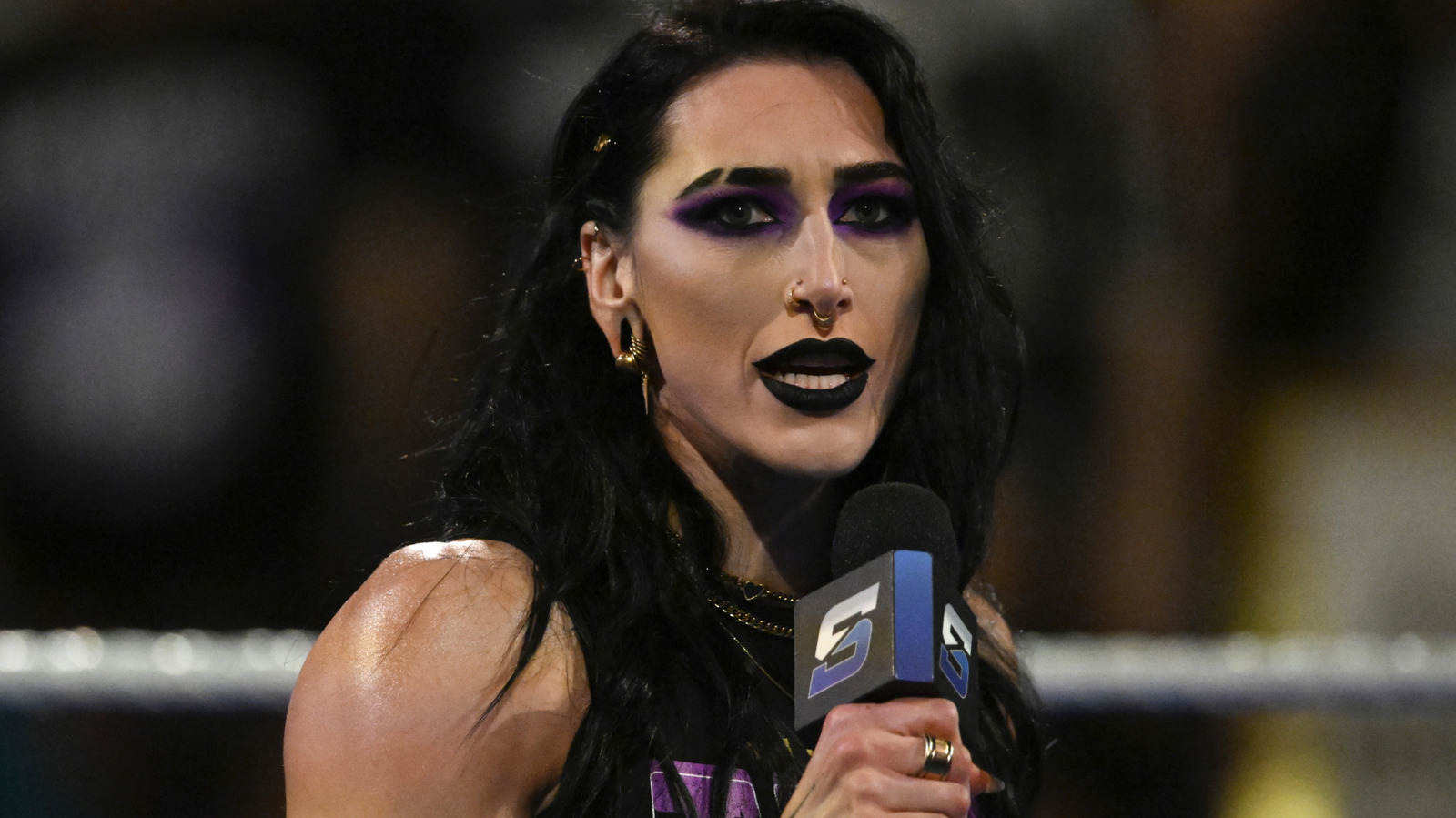
Adam Pearce took to the microphone during last night's SmackDown broadcast to deliver the news fans feared. Rhea Ripley is officially out of action for the immediate future. A medical issue has forced her to step away from the ring, leaving the WWE Women’s Championship without a primary defender headed into the company's biggest August stage. This isn't just a minor reshuffle; it’s a total booking pivot.
To navigate the vacancy, the front office has opted for a five-way ladder match to crown an interim champion at SummerSlam 2026. This move creates an immediate focal point for the women’s division in a high-stakes environment. While interim titles often carry a stigma of being placeholders, the scale of this bout suggests the company wants to keep the momentum high while Ripley recovers.
Why the ladder match matters
Putting five elite performers in a ladder match signals that WWE wants to mask the loss of Ripley’s star power with a spectacle-heavy event. Instead of building a traditional one-on-one program, the creative team is relying on the volatile nature of the stipulation to carry the segment. History shows that ladder matches at events like SummerSlam often serve as launchpads for stars who haven't held the top strap yet.
The risk here is clear. By introducing an interim title, the prestige of the actual championship belt is diluted. If the crowd perceives the winner as a second-tier replacement rather than a co-equal champion, the story arc will struggle to land. The fans are paying for a premium show, and they expect the undisputed best. Substituting an injured star with a multi-person scramble often feels like a stopgap rather than a destination.
The booking fallout
Make no mistake, the pressure is on whoever steps onto that ladder. The physical toll of the match is immense, and carrying the "interim" label is a thankless task that guarantees a future unification bout. Booking fans have already begun dissecting the potential winners, but the real issue remains the health of the roster. Relying on constant title changes and interim solutions points to a wider issue regarding the schedule.
The decision to hold this bout at SummerSlam feels like a reactive measure to salvage the card. Losing Rhea Ripley creates a void in the main event hierarchy that can’t be filled by a simple replacement match. The company is betting that a high-flyer-dominated ladder match will distract the live crowd from the missing champion. It might work visually, but it creates a messy narrative path to follow once Ripley is cleared to compete.
Adam Pearce announced that Rhea Ripley’s injury would prevent her from defending the WWE Women’s Championship at SummerSlam.
The phrasing of this announcement, delivered via the official channels, confirms that there was no room for a last-minute miracle recovery. Pearce has been tasked with managing the fallout of a depleted roster, and his current directives prioritize keeping the show moving. Whether this is a masterclass in adaptation or a sign of poor planning remains the central question for the upcoming broadcast.
The long-term optics
If we look back at previous instances of interim titles, they rarely elevate the product. The industry standard has always favored a tournament or a direct succession plan. By choosing the ladder match, the company is prioritizing a viral moment over a sustainable wrestling story. The focus is entirely on the chaos of the spot-fest rather than the technical legitimacy of the champion.
Moreover, the five participants selected to compete are now walking into a firestorm of expectations. They have to deliver a classic while managing the baggage of the "interim" moniker. It’s a harsh environment for any performer, regardless of their experience level. If the match fails to provide a legitimate spectacle, the segment will be remembered only for the awkwardness of the title vacancy. The company needs a smooth landing, or this SummerSlam will be defined by the holes in the lineup rather than the matches themselves.
The industry knows when a promotion is scrambling. The optics of clearing out the title picture because of an unexpected injury are never ideal, but the response here feels somewhat disjointed. By the time the dust settles on the ladder, the company will have to clarify exactly how the unification process works. Until then, the women’s division is stuck in a state of flux that serves nobody in the long term.