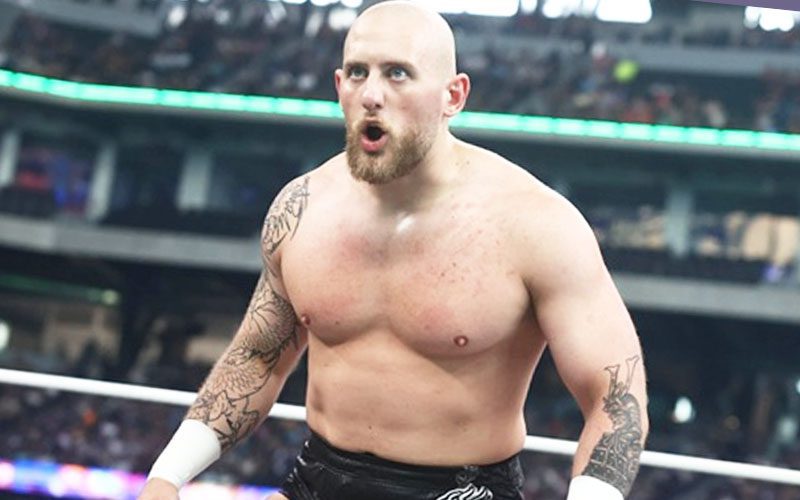
Gabe Kidd returns to NJPW action
Gabe Kidd is officially cleared for in-ring competition. Following a shoulder injury that sidelined the Bullet Club War Dogs member earlier this year, sources confirm he will participate in the upcoming G1 Climax tournament. This update ends weeks of uncertainty regarding his availability for New Japan Pro-Wrestling’s marquee summer event.
The injury, which initially cast a shadow over his status for the mid-year block, has been treated with standard rehabilitation protocols rather than major surgery. While the exact movement that caused the separation remains undisclosed, it forced Kidd to withdraw from regional dates and high-profile tag matches throughout the spring. Missing that block of time halted the momentum he had built following his intense rivalry with Eddie Kingston.
The strategic implication for Bullet Club War Dogs
Kidd serves as the emotional and stylistic engine for the current iteration of the War Dogs. His absence necessitated a reliance on David Finlay and Clark Connors to hold down the faction's presence in high-stakes spots. Without Kidd’s high-velocity brawling style, the unit lacked the specific agitation he brings to the opening sequences of multi-man tags.
Managing a shoulder injury in the G1 Climax presents an immediate risk for recurring damage. The tournament involves grueling travel and a high volume of matches over a condensed schedule. If the shoulder is not at 100% stability, opponents will target the joint. Expect a tactical shift in how Kidd approaches his opening bouts to protect the area during grapples.
Historical context and recovery markers
Shoulder injuries are common in professional wrestling, often stemming from repetitive overhead impacts or improper landing mechanics during high-velocity maneuvers. Most talent with similar non-surgical recoveries opt for specialized bracing until the surrounding musculature, specifically the rotator cuff, compensates for the joint instability. This is not the first time a major NJPW competitor has returned for G1 season under physical duress.
We have seen veterans like Hiroshi Tanahashi navigate similar issues by adjusting their offensive arsenal to focus on leg-based offense like the Dragon Screw. Kidd will likely need to rely on his striking game rather than heavy lifting maneuvers to avoid jarring the joint. If he continues to work through the pain, he needs to tighten his sell-through rate to prevent further injury from opportunistic spots.
A critical look at current booking
While the return to the G1 is good news for tournament depth, there is an unavoidable risk of booking premature returns. Pushing talent back into the ring before they are fully conditioned often leads to sloppy transitions or compromised safety for opponents. There were moments earlier this year where the War Dogs' match quality suffered from the lack of a cohesive floor general, relying too heavily on chaotic brawling to cover for talent missing from the rotation.
NJPW officials will need to keep a close watch on his fatigue levels during long-form matches. A return to the G1 is a heavy lift for someone who has not worked a full-speed match in months. If Kidd cannot sustain his usual intensity, the match pacing in his specific block could drag significantly. The company must strike a balance between his inclusion in the tournament and his long-term health metrics.
Fans expecting the same high-octane performance seen in his previous title challenges should monitor his first two matches closely. If the shoulder bracing is visible or his movement appears restricted during vertical suplex attempts, it indicates the rehabilitation process is still very much in progress. The internal stability of the War Dogs faction depends on his ability to perform at peak capacity without requiring protected booking during preliminary rounds.