The physical and emotional toll of the road
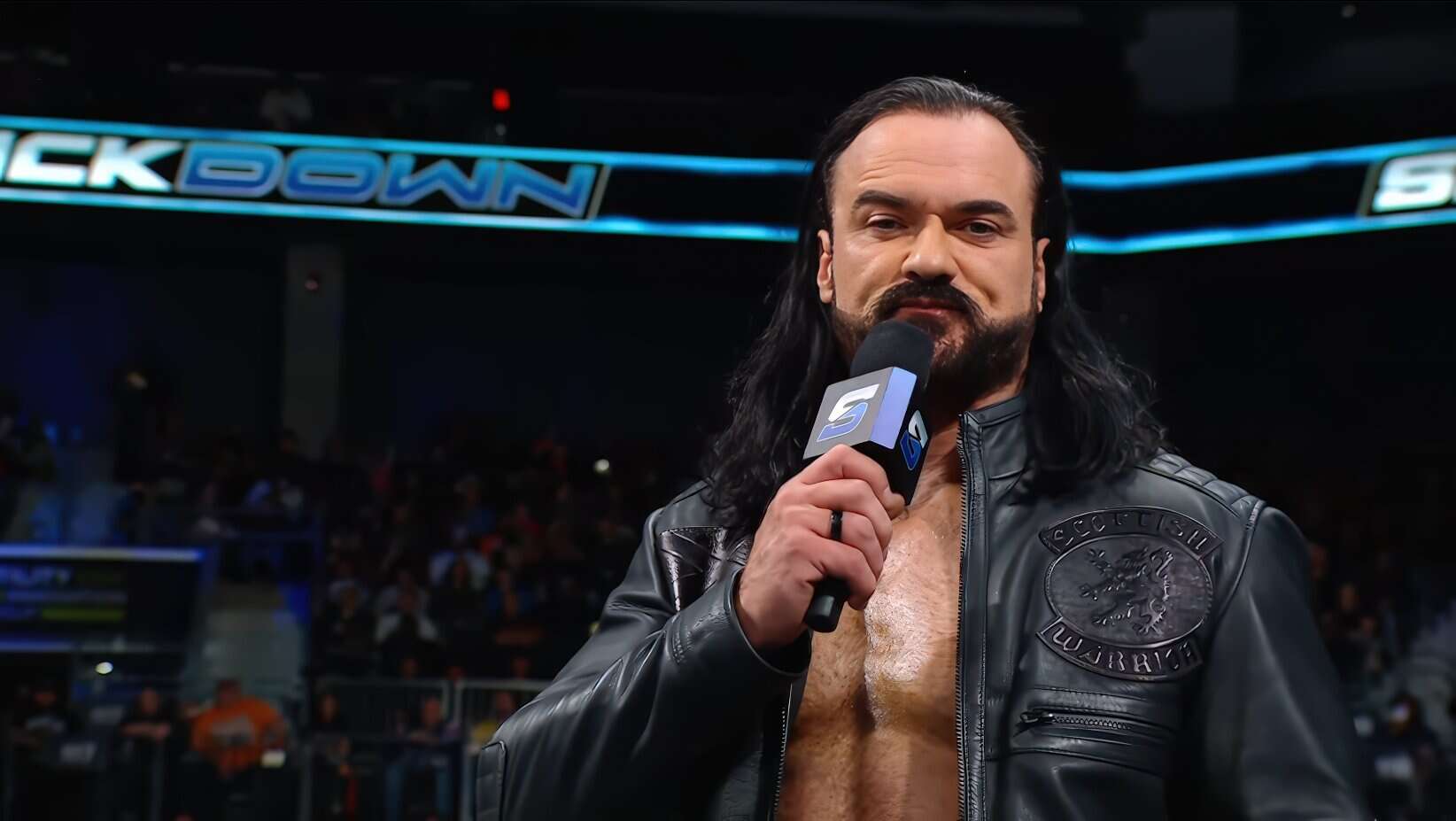
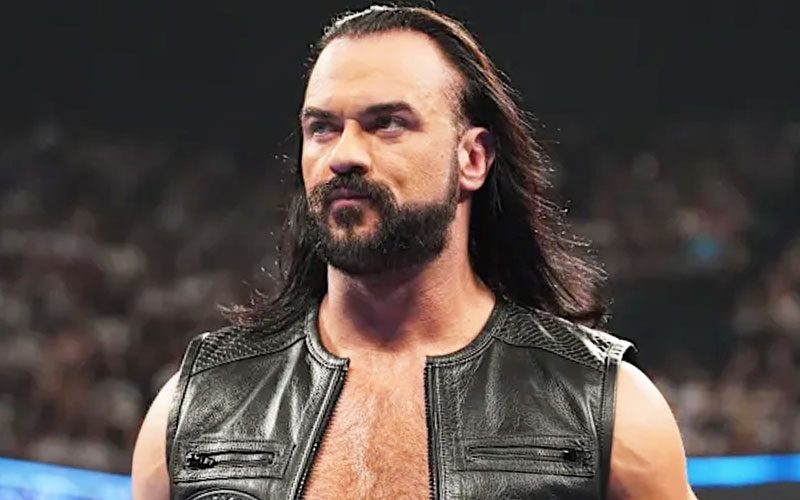
Drew McIntyre is navigating a difficult period as he balances high-intensity in-ring commitments with personal tragedy. The Scottish star confirmed the recent passing of his long-time companion, a cat named Chaz, which has cast a shadow over his preparations for upcoming high-profile television appearances. While the wrestler has been vocal about his desire to remain on the road, internal sources suggest the WWE remains cautious regarding the workload assigned to members of the main roster currently dealing with significant personal strain.
Despite the emotional toll, there is no official medical hiatus currently mandated for McIntyre. He has explicitly stated he does not see a reason to slow down, even as he approaches his 40th birthday. However, fans tracking his in-ring trajectory throughout early 2026 have noted a decrease in high-impact bumps since the conclusion of his most recent championship run. This strategic adjustment follows a pattern of veteran talent shifting toward safer, technically oriented styles to extend shelf life in the lead-up to major stadium events.
Strategic shifts and long-term outlook
The transition from a full-time championship load to a secondary feud environment is a standard evolution for top-tier performers, though it is not without its risks. McIntyre remains engaged in a high-intensity feud with Jacob Fatu, a program that requires physical exertion levels that far exceed standard exhibition bouts. Management is monitoring the situation closely given that WrestleMania 41, scheduled for April 19 and 20, serves as the current pivot point for creative direction across the board.
Critics point to the inconsistency in the booking of McIntyre’s most recent championship loss as a sign of poor long-term planning. While McIntyre himself has defended the booking as a necessary move to add an edge back to the championship scene, the narrative friction has left audiences divided. The inability to secure a planned spot on John Cena’s retirement tour, as McIntyre confirmed in recent weeks, also represents a missed opportunity for a pivotal career moment that could have served as a reward for his continued availability.
Historical precedent in the locker room
Historically, wrestlers who attempt to push through major emotional events without a recovery window often experience a drop in work rate or unexpected soft-tissue injuries. The loss of a pet, as documented by colleagues, is often handled with a brief absence, yet McIntyre has remained committed to his aggressive training schedule. This stubbornness is characteristic of the current locker room culture, where competition for the top spots remains ruthless.
The contrast between McIntyre’s stance and the current landscape of the industry is marked. Where modern stars like Cody Rhodes have debated the sustainability of certain long-term programs, McIntyre continues to fixate on opponents he has yet to cross off his list, specifically mentioning a potential clash with Nick Aldis. This focus provides a clear roadmap for his character, but it places him at high risk of burnout if the physical workload remains at its current 300-day-per-year pace. Whether this workload results in a mid-year injury or a successful transition remains the primary question regarding his 2026 status.
I do not see any reason to slow down any time soon. — Drew McIntyre
The broader impact on the WWE schedule is visible in how the company rotates talent around its marquee players. By keeping McIntyre in a consistent, albeit non-title, loop, the promotion ensures star power is available for the post-WrestleMania cycle. However, the lack of a formal recovery period following his recent personal loss remains a point of concern for those evaluating talent longevity. If the fatigue manifests in the ring, the company will be forced to pivot, likely shifting talent into the gaps McIntyre currently occupies but cannot feasibly sustain indefinitely.
Read Next