The nightmare ending of a true Octagon original
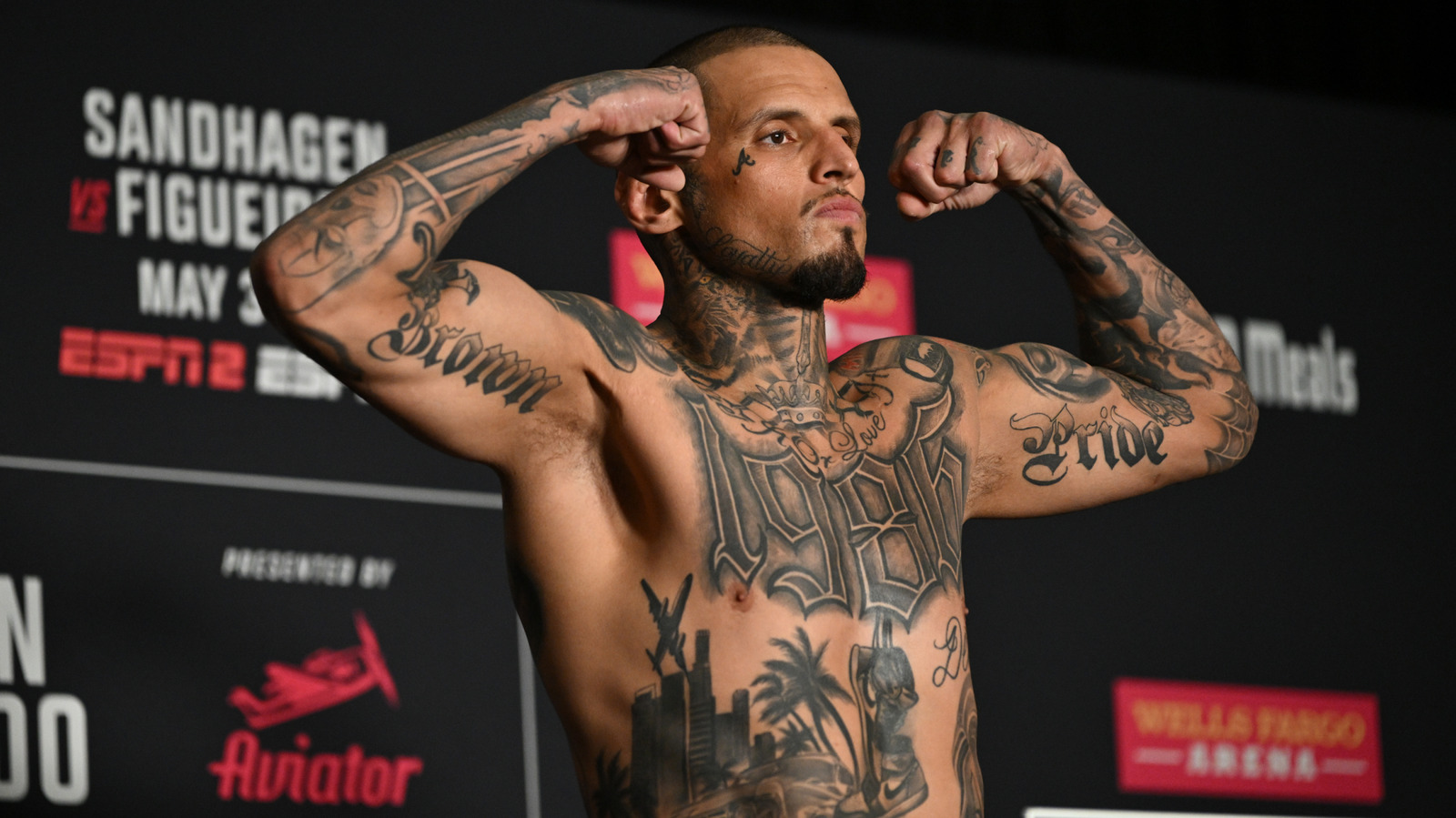
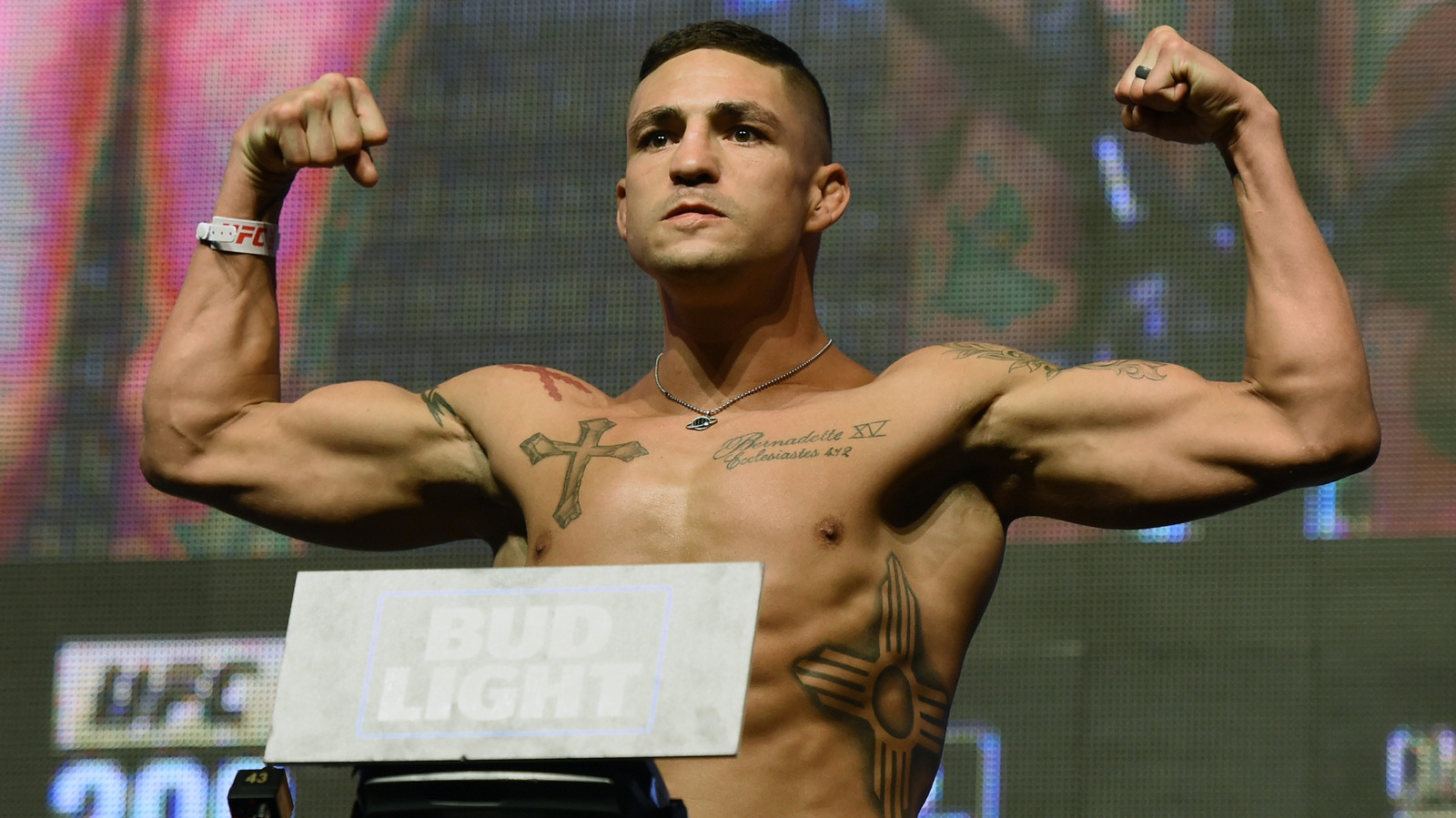
For anyone who spent the mid-2000s glued to Spike TV, the name Diego Sanchez represents a specific kind of insanity that defined the early days of MMA. He was the winner of the inaugural Ultimate Fighter tournament, a guy who treated every single round like it was a street fight in a thunderstorm. He fought with a reckless, high-octane violence that made him a fan favorite.
Today, the news cycle hit a sobering reality check. As reported by Wrestling Inc, the former fighter has been sentenced for a felony shooting in Albuquerque. It is a grim update for a man whose post-fighting career seemed to be drifting further into bizarre territory with every passing year.
From a chaotic folk hero to a courtroom defendant
Sanchez was never a guy who did things quietly. His fight against Karo Parisyan remains one of the most underrated technical wars in the history of the sport, and his transformation into the Yes Movement enthusiast toward the end of his UFC run was a head-scratcher. We watched him take massive amounts of punishment for two decades. The human brain can only handle so much impact before the filter between rational thought and impulsive action starts to fray.
It is difficult to reconcile the guy who hung upside down for intense conditioning with the man standing before a judge in New Mexico. We often romanticize former champions as bulletproof warriors. We expect them to retire to a nice house in the suburbs and open up a gym where they teach middle-aged corporate types how to throw a jab. Instead, we see this.
The sport has a massive blind spot
This incident triggers the same uncomfortable conversation that happens every time a retired fighter creates a public disaster. We treat these people like entertainment machines, ride the wave of their physical demise until they aren't sellable anymore, and then act surprised when they struggle to adjust to life outside the cage. There is zero long-term support for guys who defined an entire era of the sport.
Look at the timeline. He spent years in the public eye dealing with wild coaching situations and health scares. Did anyone really think this was going to end with him writing memoirs in a tuxedo? It is a failure of the system that we watch these guys deteriorate in real-time, yet we never suggest that maybe—just maybe—they should take a seat before they reach the point of a felony charge.
It is not fun to write about a guy who used to give us such high-adrenaline moments, only to see him land in a criminal docket. The grit that made him a legend inside the cage clearly did not translate to the soft, complicated world of legal consequences. This is a sad chapter for a guy who once beat the absolute hell out of Clay Guida for fifteen straight minutes.
He leaves behind a legacy defined by intensity, for better or for worse. Unfortunately, that intensity is now the reason he is facing a sentence that essentially erases his status as a combat sports icon. It is the ugliest side of the industry, and it repeats itself with a depressing regularity. Don't expect to see him back in the spotlight anytime soon.