The silence behind the cage door
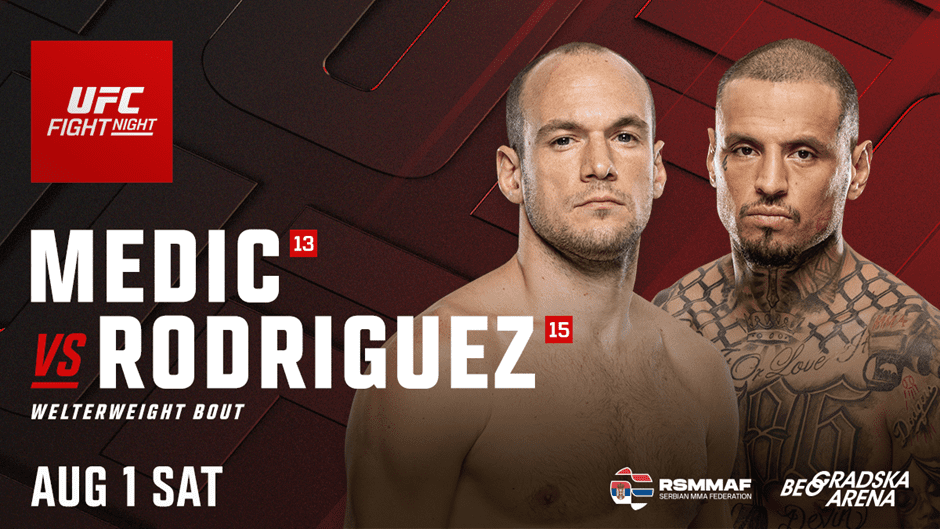
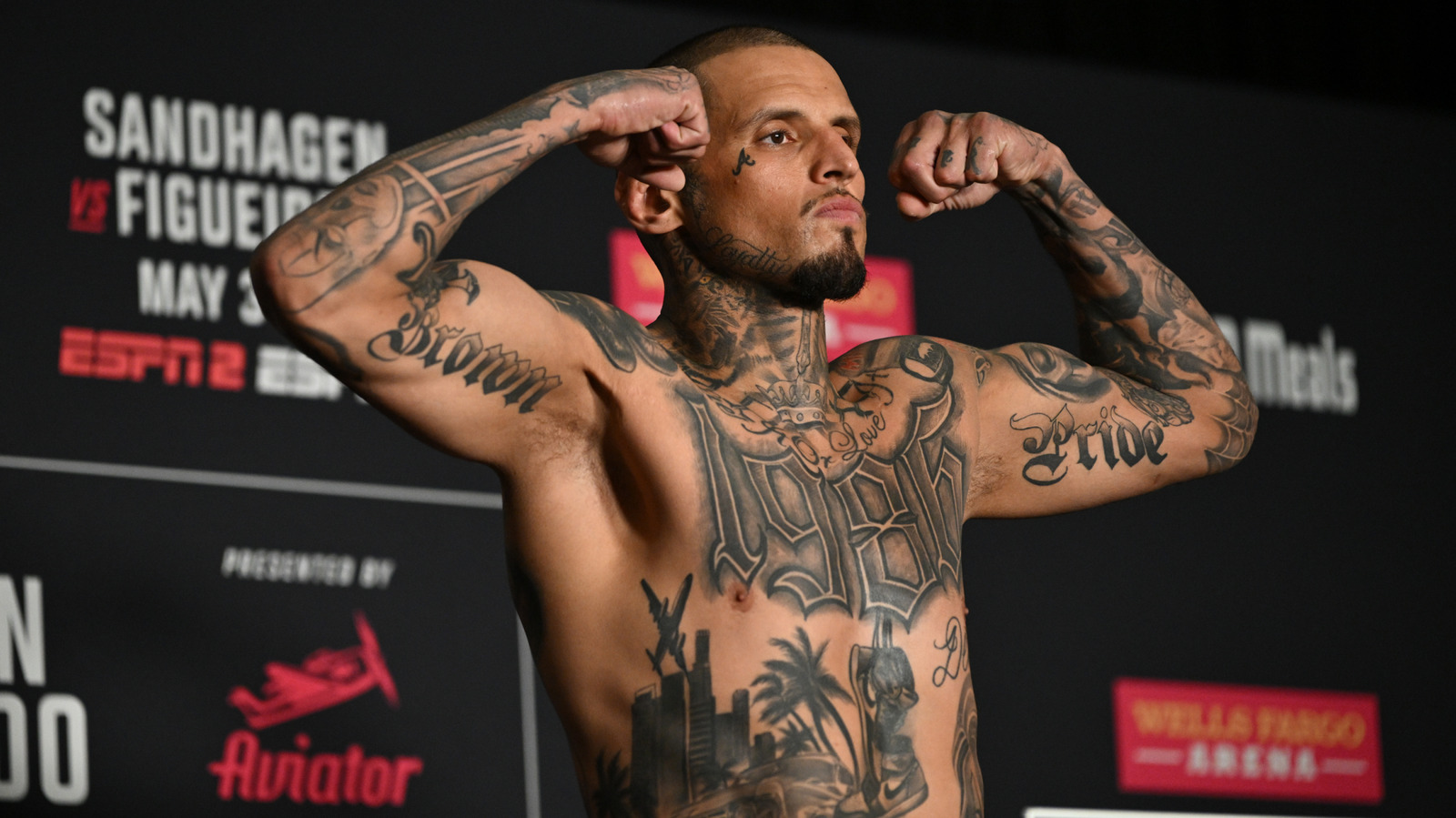
In the professional fighting world, absence is rarely explained with total honesty. Fighters cite undisclosed injuries or personal leave, playing the corporate game to protect their marketability. Daniel Rodriguez shattered that convention this week by admitting his eight-month hiatus was the result of incarceration in Tijuana, Mexico.
The details emerging via recent reports on Wrestling Inc paint a grim picture that ignores the glossy marketing often associated with the octagon. Eight months of structural stagnation for a fighter in his prime is not just a break; it is a forced retirement. At 37 years old, the physical toll of time spent in a facility rather than a gym is non-negotiable.
Tactical implications of a forced layoff
Ring rust vs. reality
Analysts often discuss ring rust as a binary switch. For Rodriguez, the issue runs deeper than timing or cardio. An eight-month period without quality sparring, nutritional oversight, or weight training fundamentally alters a fighter's biomechanical output. If we look at his previous 170-pound performances, his reliance on a high-volume jab and reactive footwork was his signature.
Can a fighter replicate that level of nuance after nearly a year removed from the environment? The likelihood is slim. Most fighters returning from significantly shorter layoffs struggle to manage their distance in the opening round. Rodriguez is entering a volatile weight class where the difference between a top-15 ranking and total irrelevance is a single bad exchange.
The weight of the comeback
Critics point to the lack of competitive rhythm as the primary barrier. However, the psychological weight of his ordeal is a hidden variable. Fighters perform best when their internal focus is narrowed solely to the opponent, the weight cut, and the game plan. The distraction of legal and carceral issues drains the mental energy required to process complex sequences like defensive framing or clinch entries.
His eventual return to competition will be monitored intensely by those interested in the logistics of athletic performance under duress. There is a specific kind of skepticism that surrounds aging veterans attempting to rewrite their late-career narrative after major external interruptions. Expect the promotion to lean into this comeback story, but do not mistake the marketing for an indication of his actual readiness.
The prediction
I am projecting a difficult road ahead for Rodriguez should he attempt to re-establish himself within the current welterweight hierarchy. The division has shifted toward a more offensive grappling focus in the last calendar year. His style, predicated on technical striking exchanges, creates a dangerous liability if he has lost even 5% of his explosive lateral speed.
My prediction is that he will struggle to find a clean landing for his signature combinations in his next outing. Without a high-level camp to rebuild his neurological pathways, the first five minutes will likely show a deficit in timing. The sport demands too much precision to allow for an eight-month void in preparation, regardless of the fighter's history.