The courtroom shadow over the TKO era
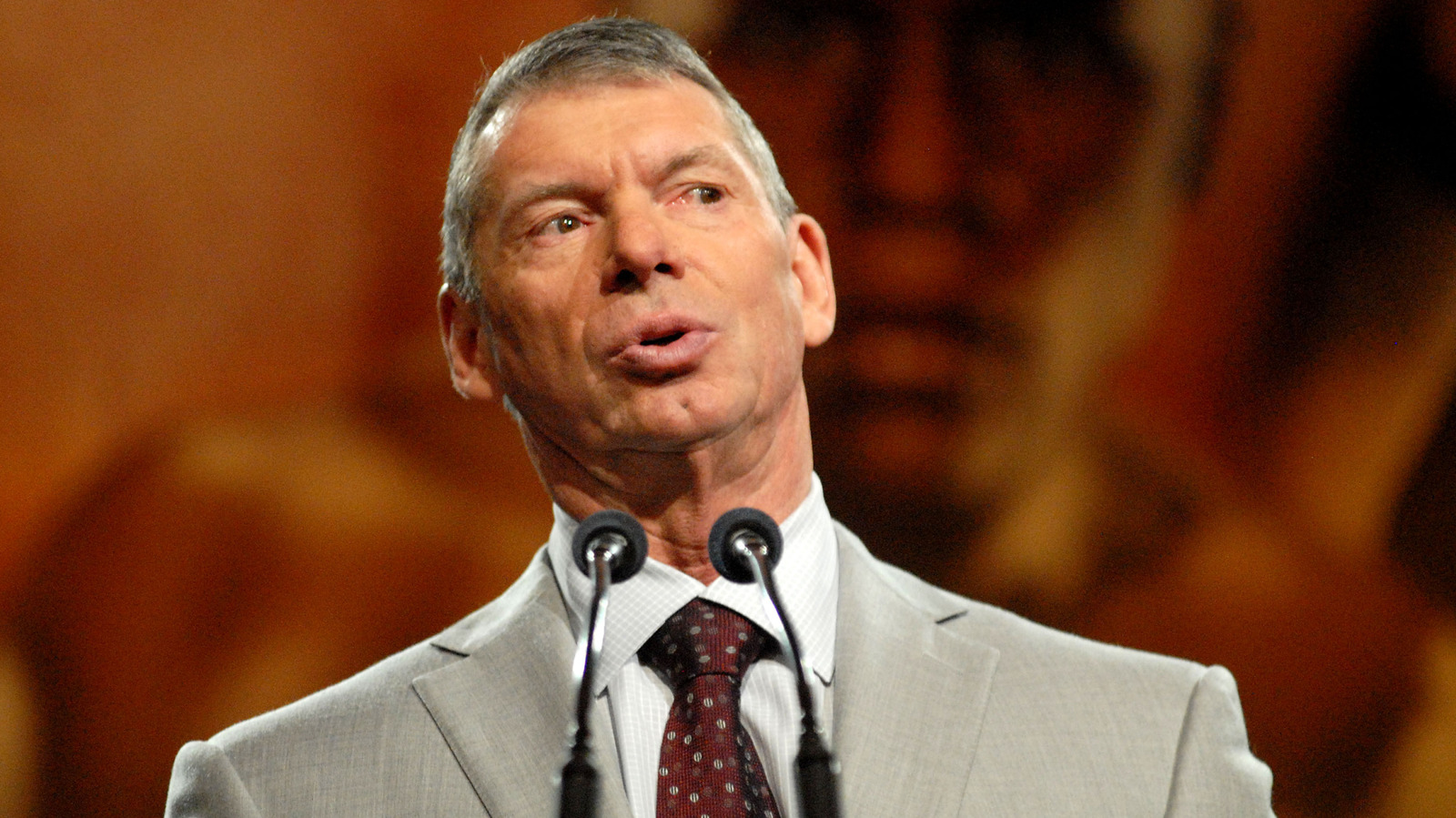
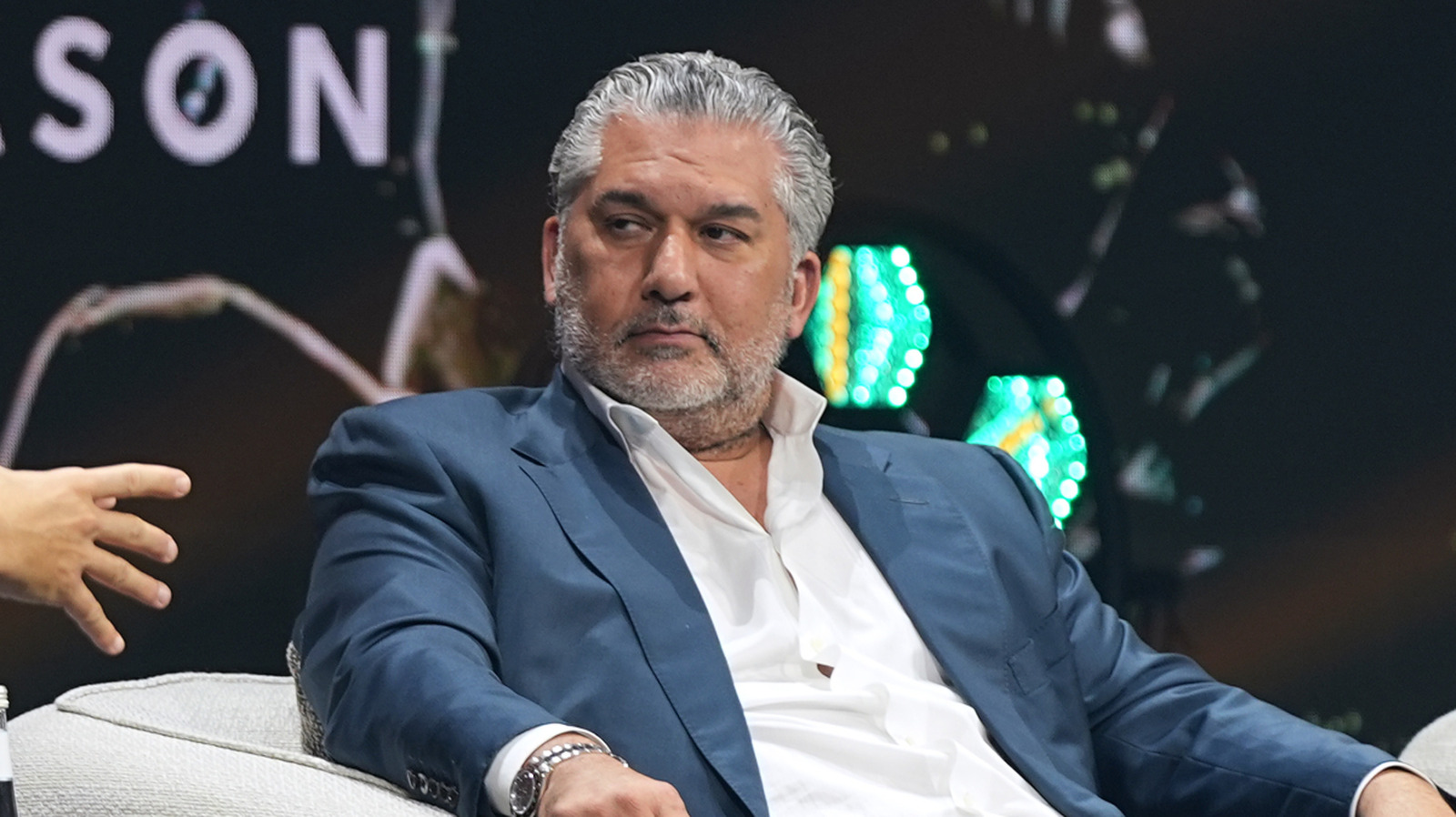
In the professional wrestling business, the most compelling stories usually happen between the ropes. However, we have reached a juncture where the litigation surrounding the TKO merger is absorbing more oxygen than the storylines themselves. As recently confirmed, Vince McMahon and Nick Khan have been sanctioned by a court regarding the handling of Signal messages during discovery. This is not mere gossip; it is a procedural failure that hints at a toxic discovery process for the defense.
When executives are dragged into courtroom disputes over document preservation, it suggests a lack of institutional transparency that usually reflects poor management. For fans, the question is whether this creates a distraction capable of leaking into the product. History shows that when the front office is in disarray, creative direction often becomes stagnant or overly safe. We are already seeing critics like Vince Russo point out the lack of payoff in main-event segments, suggesting that the creative output is currently suffering from a lack of clear, actionable vision.
The human cost of the grind
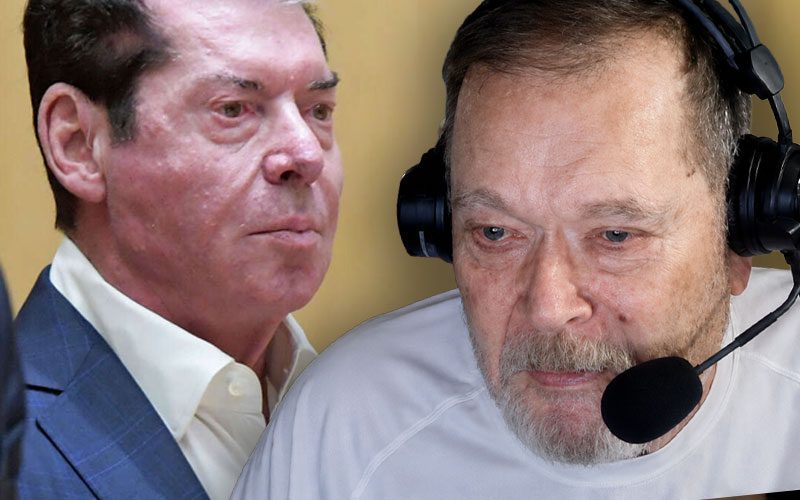
Legal battles are the headline, but the physical grind remains the pulse of this industry. Jim Ross recently shared the harrowing details of his fall prior to AEW Double or Nothing, a sobering reminder of the toll this lifestyle takes even on those not currently taking bumps in the ring. The industry move toward a more rigorous schedule often ignores the veteran voices who understand the nuances of the business better than the lawyers currently drafting merger briefs.
Ross recently noted that the legal pressure on former leadership is akin to a noose around the neck of the individuals responsible for the current corporate structure. Seeing a legend like Ross speak so bluntly about these developments highlights a growing disconnect between the historic figures of the industry and the new corporate entities. The legal sanctions are not just numbers on a docket; they signify a high-stakes turning point.
Predicting the fiscal and creative fallout
The core issue here is whether this legal turmoil forces a change in how talent is treated or prioritized. For years, the narrative was that Vince McMahon viewed legacy acts like The New Day as a 'national treasure', but those personal sentiments are likely irrelevant in the face of TKO’s profit-first mandate. The transition from individual personalities driving creative to a conglomerate-driven model is failing to deliver the sparks fans crave.
We have to address the elephant in the room: the booking feels reactive. When the main event lacks a distinct conclusion, it reveals that the company is writing for quarterly reports rather than crowd reactions. If the trial continues to pull leadership away from the creative desk, expect even more directionless segments on television. The lack of stakes in current matches is a failure of booking execution, plain and simple.
My prediction? The sanctions are just the beginning of a messy discovery phase that will ensure negative press surrounds the company throughout the upcoming merger trial. We will see the product become increasingly sterile to avoid further controversy, leading to a dip in viewer engagement by late summer. The ring work will remain elite because the talent is world-class, but the surrounding architecture is actively crumbling. Don't look for a major creative shift until the legal dust settles, and that looks at least 12 months away.