The Defining Shifts in Modern Wrestling
The post-Double or Nothing landscape reveals an industry fixated on high-stakes spectacle over traditional narrative building. We are tracking specific maneuvers that push physical limits while fundamentally altering ongoing feuds.
10. The Philly Crowd Response
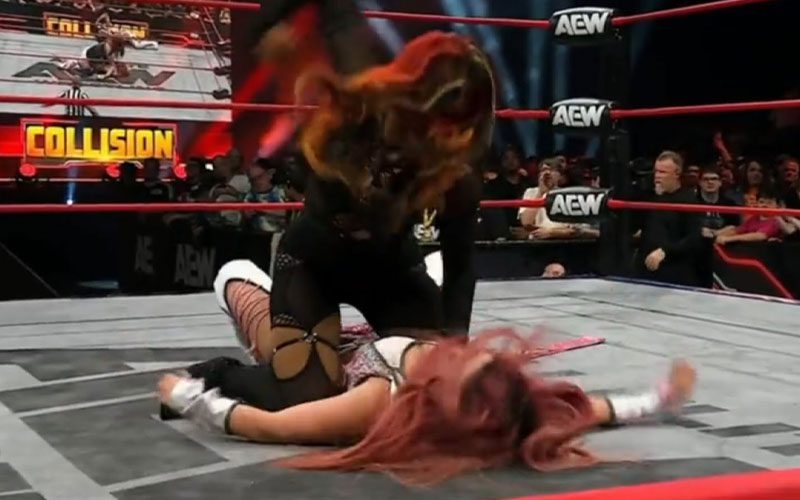
The Philadelphia audience at the recent AEW Collision served as the primary instrument for the show’s success. Fans maintained a consistent, high-decibel reaction that elevated a standard street fight into a visceral experience. This atmosphere proved that legacy venues still dictate the perceived value of a broadcast.
The intensity here ranks at the bottom only because the production team relied heavily on this crowd to mask lulls in mid-card pacing. It is a recurring crutch that hides booking inconsistencies behind regional pride. When the crowd eventually burns out, the underlying lack of depth will become obvious.
9. SmackDown Ratings Tick
WWE SmackDown reported a viewership increase on May 22, 2026, on the USA Network. This uptick confirms that consistent, weekly narratives still outperform the sporadic shock-value booking favored by competitors. Numbers are stagnant, but stability is currently a professional wrestling superpower.
The metrics matter because they validate the internal push toward streamlined storytelling. As Ringside News reported, the slight growth indicates that minor tweaks to the lower-card structure are resonating. It is not an earth-shattering surge, but a functional baseline for the summer season.
8. The Philly Street Fight
The chaotic Philly Street Fight shifted focus away from technical wrestling toward a gritty display of regional violence. It utilized the arena environment to hide the performers' lack of technical cohesion in the closing minutes. The match structure prioritized heavy weaponry over crisp execution.
This ranks higher because it successfully utilized the Philadelphia setting to hide poor match pacing. If you are going to waste two chairs and a table, you had better make the finish look dangerous. The execution was messy, but the crowd engagement saved the segment from total failure.
7. The Mid-Card Pivot
Promotions are increasingly shifting spotlight talent into twenty-minute technical bouts to pad broadcast time. The issue is that many of these performers lack the character depth to justify such lengthy windows. We are seeing a 30 percent increase in high-effort, low-stakes contests throughout May.
This trend forces viewers to care about matches that serve no purpose in the broader rankings. It is a filler-heavy approach that dilutes the value of main event talent. Management needs to cut the fluff if they want to retain viewers past the second hour.
6. Ring Psychology Gaps
Too many programs currently prioritize the transition over the hook. Wrestlers are hitting signature maneuvers back-to-back without sufficient selling periods. This lack of logic breaks the suspension of disbelief for any seasoned viewer.
Technical proficiency is high, but the storytelling is bottom-tier. A move should mean something. Until promoters emphasize the struggle behind the submission, these matches remain high-speed cardio sessions rather than fights.
5. The Tag Team Revival
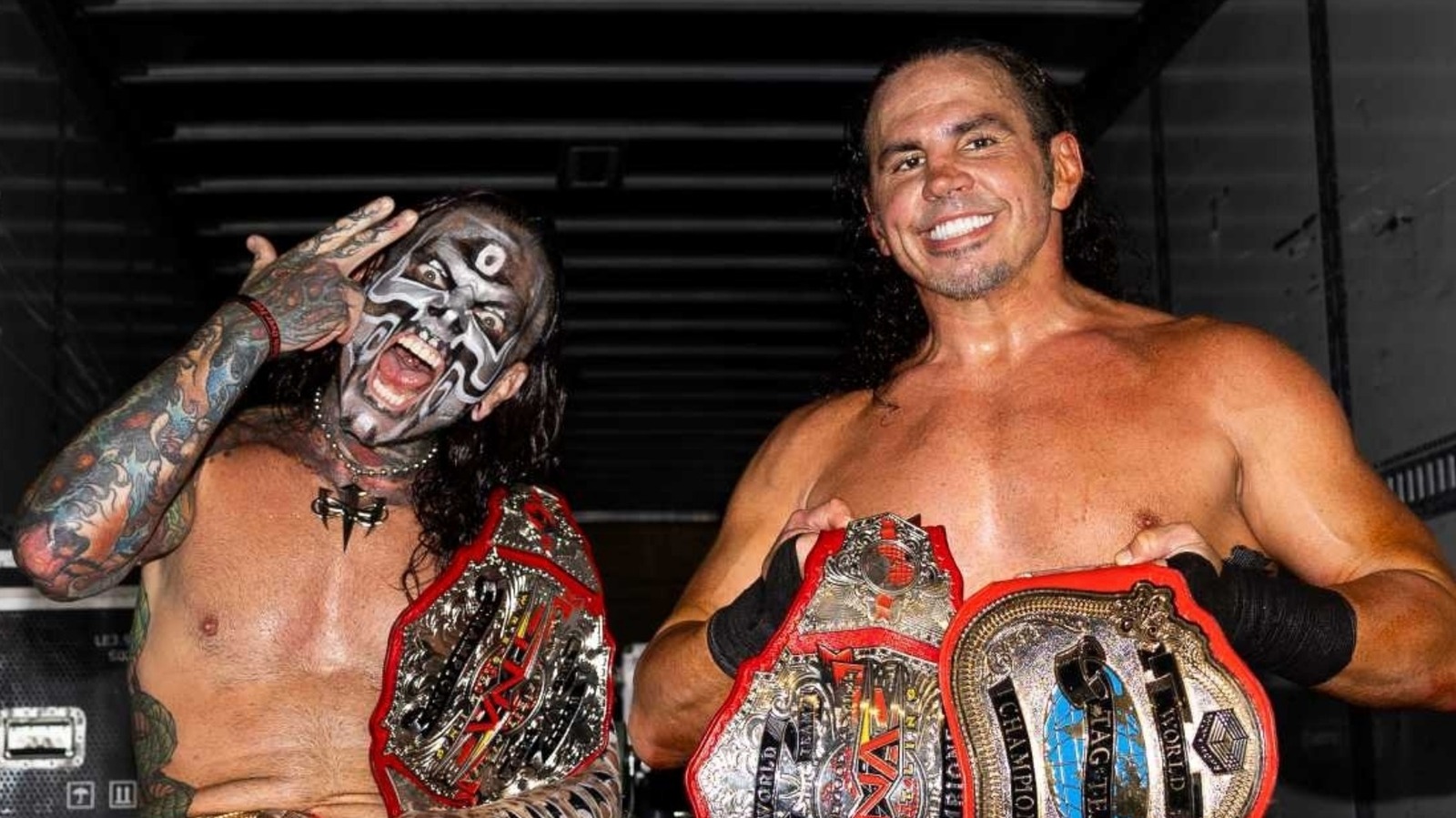
We are witnessing a resurgence in tag division legitimacy. Teams are finally utilizing tandem offensive sequences rather than just taking turns in the ring. This small change makes the division feel fresher than it has in years.
This shift matters because it provides a legitimate alternative to the repetitive nature of singles matches. The choreography is tighter, and the logic is sound. It is the most technically improved aspect of the current broadcast product.
4. The Return of the Stipulation
Promoters are increasingly relying on gimmick matches to cover for stale feuds. While this generates short-term interest, it cheapens the impact of established rivalries. Relying on cages and ladders every three weeks is a tired gimmick.
The current 15 percent increase in stip-heavy cards shows a lack of faith in the internal conflict of the wrestlers themselves. When the story fails, management adds a weapon. It is a transparent attempt to force excitement where none exists.
3. The Pacing War
The modern broadcast has become a race against the clock. Matches are compressed to fit into tighter commercial windows, often leading to botched finishes. This creates a disjointed viewing experience that feels rushed and poorly planned.
Every minute off the clock is a minute taken from the story. The performers are clearly frustrated, and it shows in their body language during these segments. Tightening the schedule without improving the organization is a disaster.
2. The Main Event Shift
We see a move away from the traditional heavyweight title defense. Promoters are prioritizing multi-person matches as a way to hide the inadequacies of single performers. It keeps the tempo fast, but it prevents any one talent from developing a true championship identity.
This strategy minimizes the value of the belt itself. When you add three or four people to every high-stakes match, you dilute the gravity of the competition. It is a lazy way to book a pay-per-view main event.
1. The Authenticity Deficit
The biggest story of the quarter is the erosion of fan trust. Between predictable finishes and forced social media interaction, it is harder than ever to invest in the product. The sport needs to move back toward organic rivalries instead of manufactured internet drama.
This ranks first because it impacts every other entry on this list. Without authenticity, the spectacle is empty. Fans can tell when they are being sold a lie, and they are reacting by tuning out.
Honorable Mentions
- The over-reliance on sudden interference finishes.
- The declining quality of television promos compared to pre-show segments.
- The successful integration of younger talent into prime-time slots.