The shadow of the merger won't stop growing
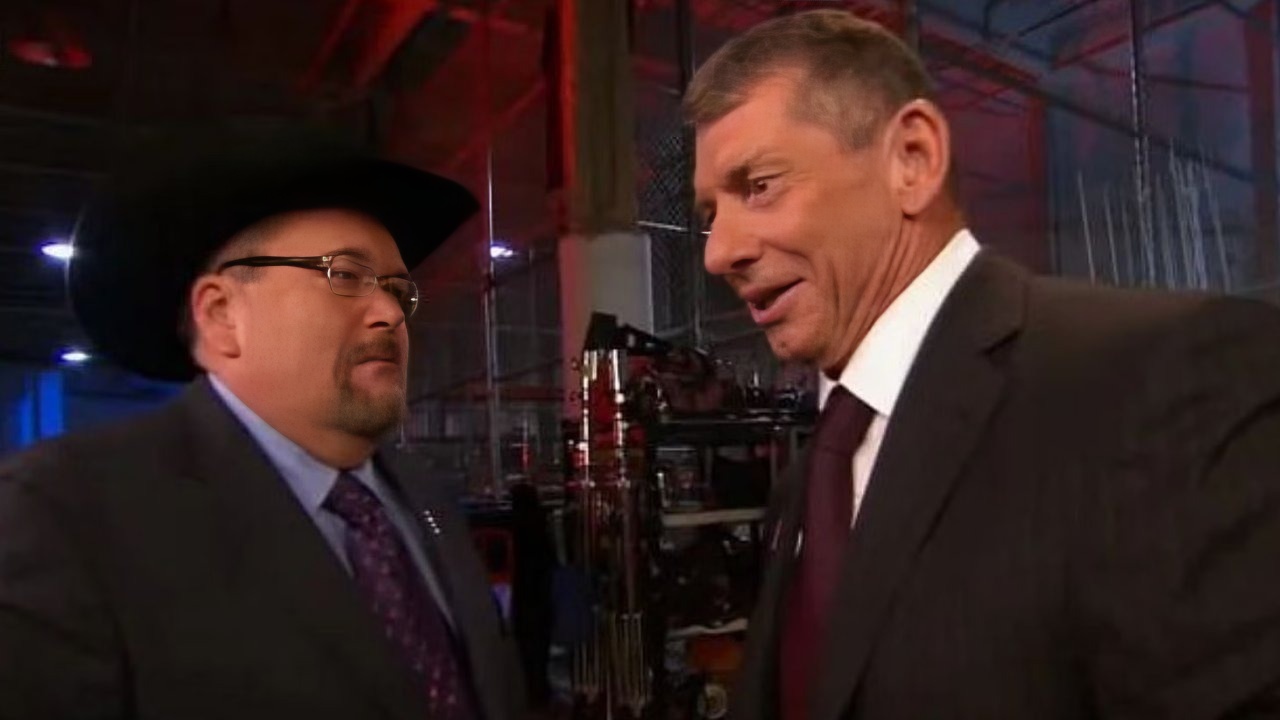
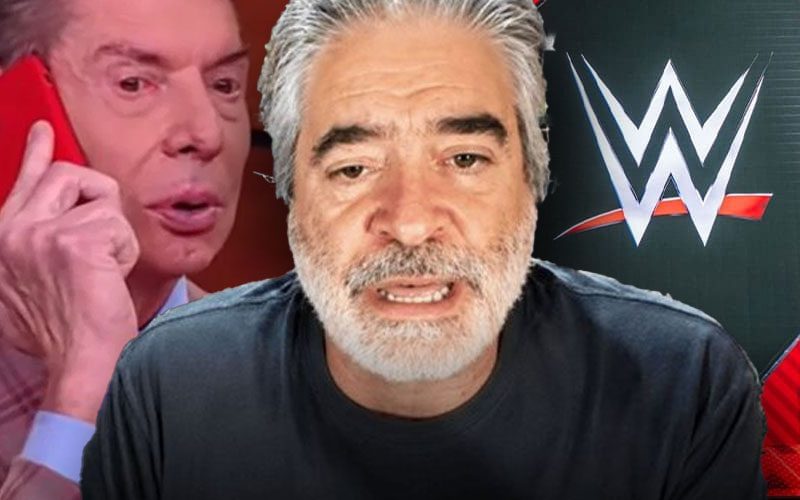
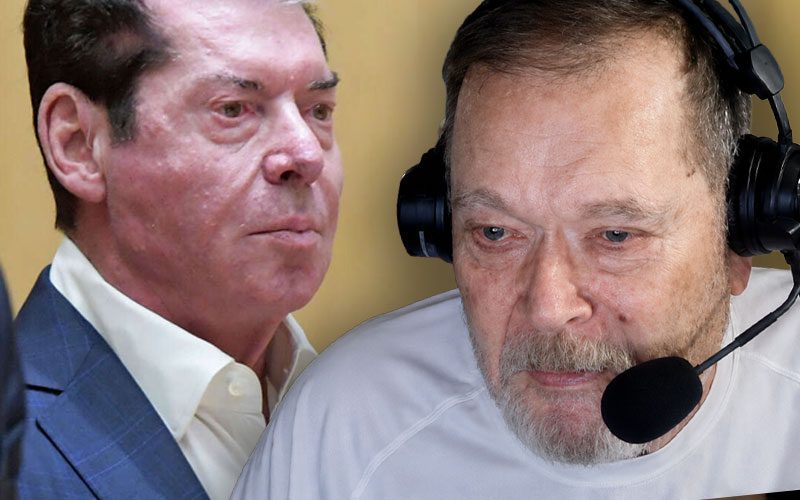
Here we are in late May 2026, and the industry is still shaking out the confetti from the latest merger aftershocks. You look at the current TKO setup and it hits you: the old guard isn't just fading, they are tied to a sinking anchor. Jim Ross recently put it bluntly, noting that the situation with the merger lawsuit essentially put a noose around the neck of the former chairman.
It is the kind of reality check that usually gets glossed over during the glitz of a sold-out premium live event. We spent years watching Vince McMahon pull the strings, but the strings have been cut. When you factor in the scale of the TKO legal complications, you have to wonder if the corporate structure was ever designed to survive the individuals who built it.
Nick Khan and the corporate cleanup
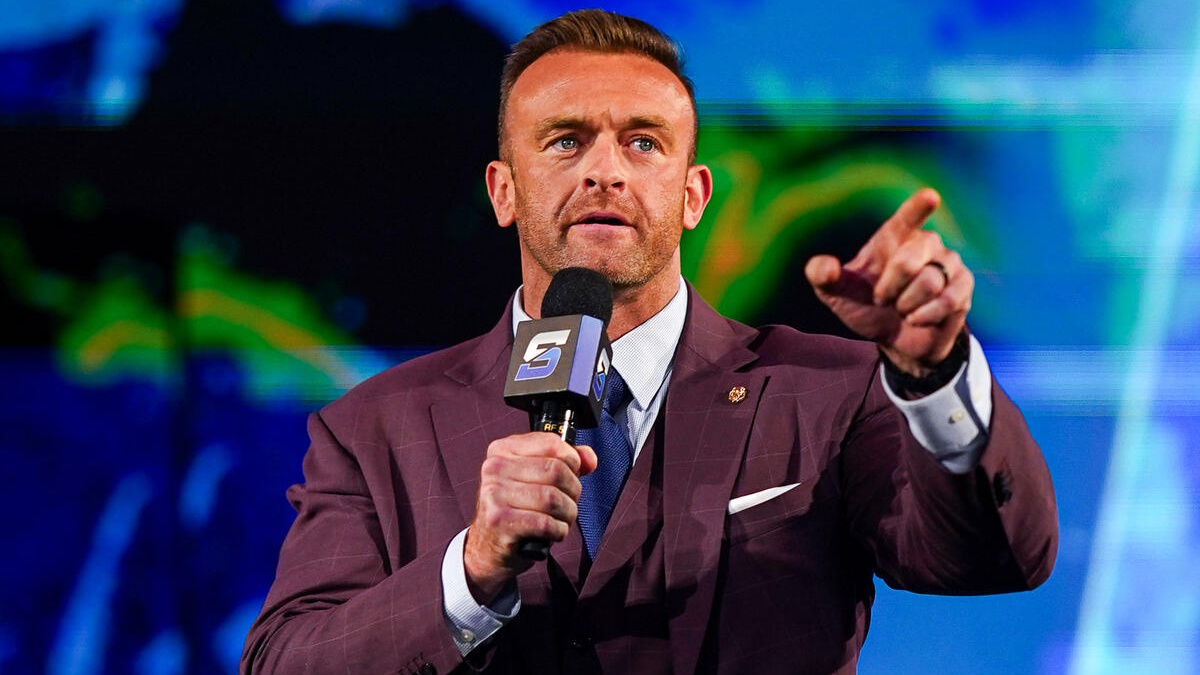
Nick Khan was brought in to make this exact transition look clean on paper. He is a master of the board room, but even he can't edit out the history books once the lawyers start logging billing hours. The merger with UFC was marketed as a golden ticket, a way to combine two massive combat entities into one profit-churning machine. Instead, we have a legal bottleneck that is defining the current era far more than any star-studded match card ever could.
We have watched this Ringside News report detail how these legal headwinds are suffocating the legacy. It feels like we are watching a long-form story where the protagonist forgot to read the script and decided to improvise with fire. The actual talent in the ring deserves better than to have their momentum stifled by the fallout of boardroom decisions made half a decade ago.
The cost of doing business
Let’s talk about the booking, because that’s what we’re all here for at the end of the day. When the lawyers are the most important people in the building, the creative process suffers a vacuum. We are seeing a shift in momentum away from the character-driven narratives that made the business a global juggernaut. It is almost as if the company is afraid to take risks because they know the legal teams are watching every single segment for potential exposure.
There is a distinct lack of edge in the product lately, and it isn't just about the shift in programming guidelines. You lose that visceral, unpredictable flair when the fear of litigation dictates the boundaries of the story. I’d rather see a sloppy, high-stakes Cage Match than a polished, safe presentation that loses the audience by the midpoint. They need a spark, but currently, they are too busy keeping the fire extinguishers ready for the legal department.
The era of total control is over, and frankly, some of the recent booking decisions look like they came from a committee of suburban insurance agents. If you want to keep the audience, you have to stop apologizing for the existence of the sport and start booking like you actually respect the person paying $79.99 for the privilege of watching. If the legal noise doesn't subside, the product is going to become a hollow vessel for quarterly earnings reports.
Looking toward the next horizon
We are just two weeks away from the 2026 FIFA World Cup, and the attention economy is about to shift massively. If the internal drama isn't settled before the eyes of the world turn toward global sports, the narrative hole will only get deeper. Companies that thrive in the long run aren't the ones that survive lawsuits; they are the ones that capture the imagination of the crowd.
Right now, the brand is fighting a war on two fronts: the courtroom and the living room. One is being managed by expensive attorneys, and the other is being managed by a fan base that is increasingly bored by the corporate speak. We deserve a correction. We deserve to get back to the squared circle without needing a law degree to understand why the booking feels so sterilized and cautious.