Nightmare Factory transitions into an official WWE talent funnel
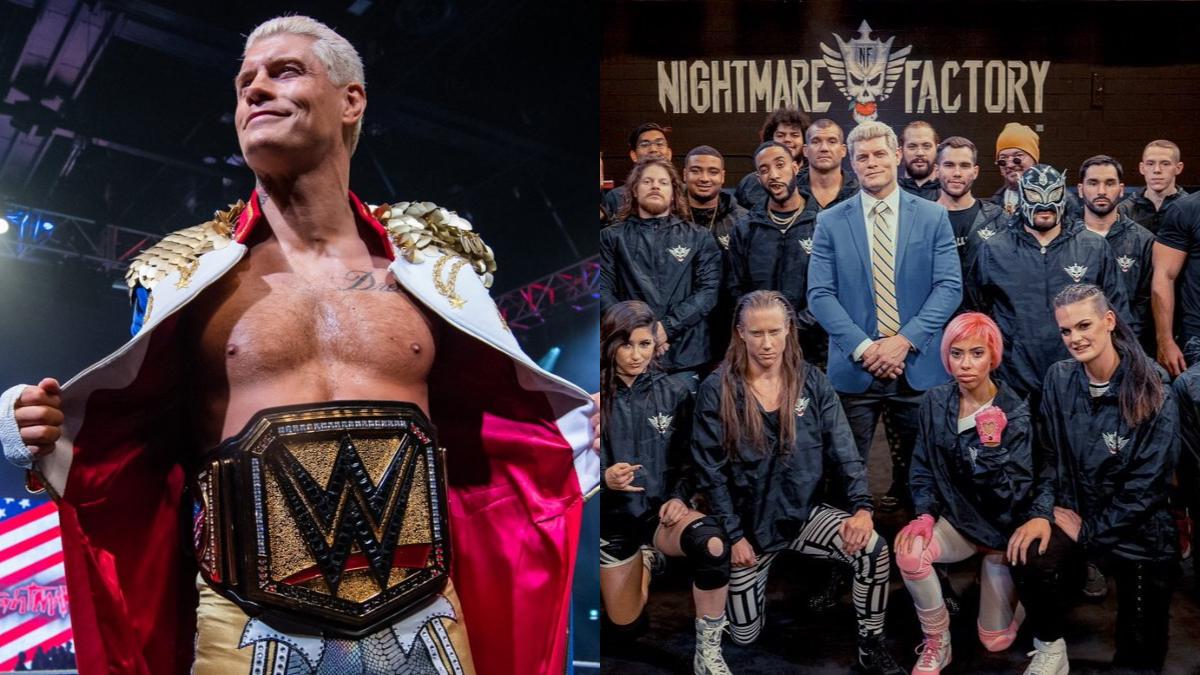
The landscape of professional wrestling talent development is shifting under the surface. Recent reports indicate that the Nightmare Factory, founded by Cody Rhodes and QT Marshall, is set to host a high-profile WWE ID Showcase event later this month. This move suggests a formalized relationship between WWE's independent talent acquisition strategy and the Georgia-based training academy.
Bringing current championship-level talent to instruct at the facility suggests more than a one-off seminar. WWE is actively scouting talent to fill roster gaps that Nick Khan has openly acknowledged as a priority for the coming years. By embedding WWE's production and oversight directly into the curriculum at the Nightmare Factory, the process of scouting raw athletes becomes significantly more efficient.
The strategic utility of the WWE ID program
WWE ID is clearly designed to act as a bridge for independent wrestlers who haven't yet signed full-time developmental contracts. It allows the promotion to monitor progress, provide feedback on character development, and assess the work rate of prospects without immediately clogging up the Performance Center in Orlando. The Factory is the logical testing ground for this initiative.
Cody Rhodes holds a distinct advantage in this arrangement. His lived experience as both an independent star and a top-tier performer provides a unique curriculum that traditional developmental systems sometimes lack. Prospects training under his roof are essentially being prepared to hit the ground running with the specific television sensibilities WWE demands.
The hidden risks in the factory model
However, relying on external schools for high-end talent development introduces variables WWE historically dislikes. If the Nightmare Factory becomes too synonymous with WWE's institutional identity, the school might lose the ability to attract independent talent who prefer to remain off the big-league radar for their early years. There is a balance to be struck between fostering growth and losing the gritty, independent flavor that allows a performer to stand out.
Furthermore, one could argue that over-regulating talent before they reach the main stage stifles character evolution. If every student at the school is drilled strictly on WWE production style, they might lack the spontaneity required to pop a crowd in cities like Rahway or Bangor, where MaskedMania continues to draw a specific type of fan that isn't interested in a sanitized corporate product.
Evaluating the talent pipeline trajectory
The timeline for this transition is rapid. WWE is clearly looking to identify their next wave of headliners before the window of opportunity closes on their current senior roster. By the time this month concludes, expect a handful of attendees at this showcase to be offered either a supplemental ID status or, for the standouts, a standard developmental agreement.
The probability of this relationship expanding is extremely high. WWE needs an efficient exit ramp from the independent scene into the corporate hierarchy, and the Nightmare Factory is arguably the most recognizable name in the game for that specific purpose. The involvement of current active champions suggests the company is willing to invest genuine assets into the endeavor.
Expect to see graduates from this specific showcase appearing on NXT programming by the end of the year. The goal is likely to integrate them into the house show circuit that exists parallel to standard bookings, similar to how WWE Night events function as regional promotional vehicles. If this project thrives, the Nightmare Factory will stop being an independent academy and move toward becoming the most influential satellite facility under the WWE brand.
Probability assessment and final outlook
Probability: High. The infrastructure is already in place, and the corporate mandates from Nick Khan’s office are directing resources toward this youth infusion exactly as described. Success hinges on whether these recruits can handle the transition from high-intensity training to the rigors of a massive touring schedule. If the program fails to produce a main-event ready superstar within 24 months, the model will likely be overhauled. For now, the factory is the primary engine for the next generation.
Read Next
- Cody Rhodes just turned the Nightmare Factory into a WWE scout's lobby
- Cody Rhodes is turning the Nightmare Factory into a WWE farm system
- Cody Rhodes is gambling on the Triple H era
- Cody Rhodes sits at the center of a depleted WWE main event scene
- 🏆 WrestleMania 41 — Full Coverage Hub
- 💥 WWE Backlash 2026 — Full Coverage Hub